











A significant downturn in the furniture industry
Text Tamara BrouwersImage CBM
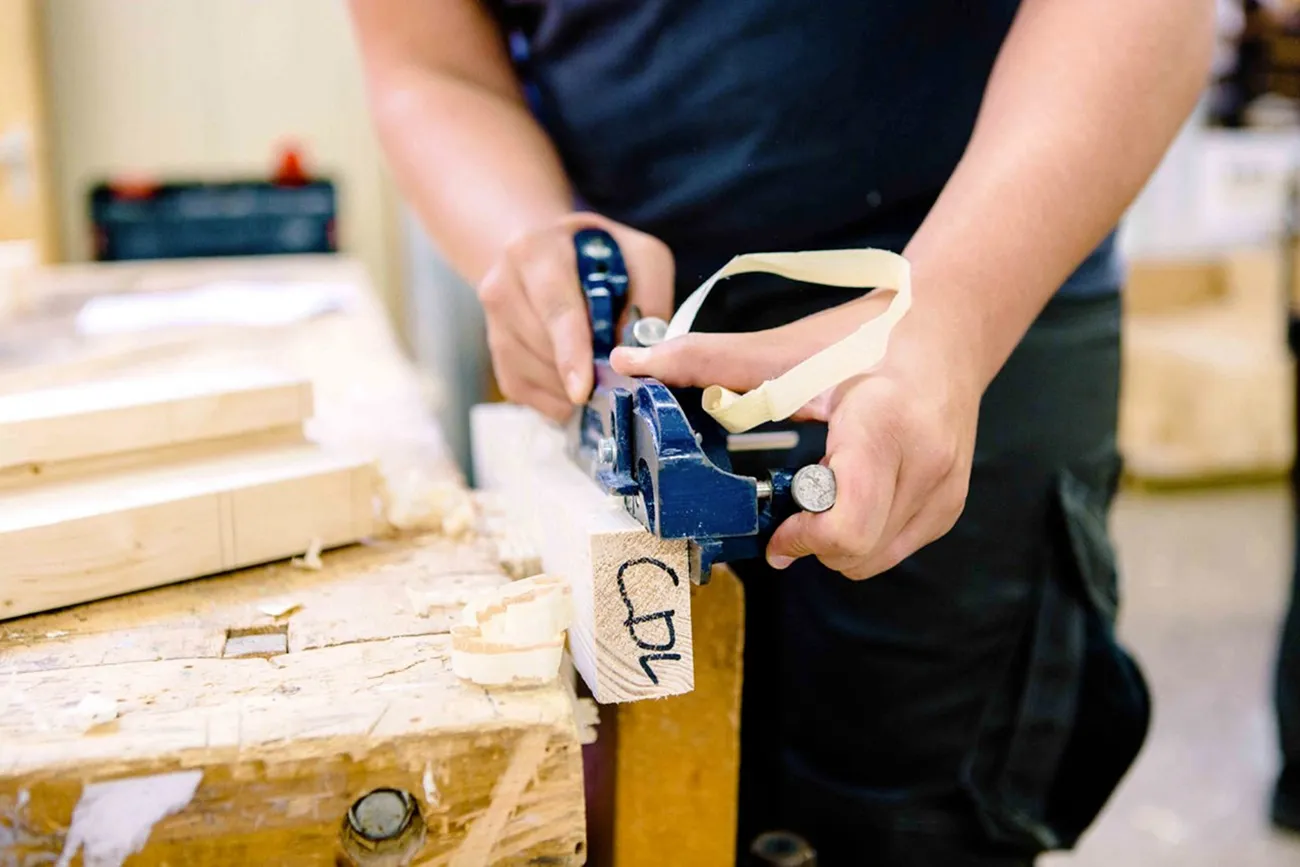
Staff are your capital, so invest in them!
The furniture sector faces a serious labour-market challenge, says Kees Hoogendijk, director of Koninklijke CBM (the trade association for interior construction and the furniture industry). “2023, and the year after, could be difficult for our sector. That’s why it’s important to stay in regular contact with schools and continue investing in your staff.”
As a trade association, CBM has its finger on the pulse of the sector. “We promote the sector, represent our members’ interests and keep abreast of all kinds of innovative developments. Although things are still going reasonably well, the furniture industry is experiencing a significant downturn. Businesses are holding their breath. During the pandemic, consumers spent little on hospitality or holidays and instead spent on their interiors, but now the reverse is true. At the same time, rents and material prices are rising, and we are dealing with inflation. With collective bargaining negotiations approaching, these are the ingredients for a challenging year.”
Tough collective bargaining negotiations ahead
“Everything is happening all at once,” says Kees, summing up the market situation. “The furniture industry in particular is having a hard time. We have heard of revenue drops of 15%, sometimes as much as 20%. That is very substantial. If this continues, restructuring may be on the cards. At the same time, we know that tough collective bargaining negotiations are coming up. Because of inflation, trade unions will push for substantial pay rises. That is understandable, but it will bring restructuring even closer. It’s a difficult dilemma, a real balancing act, you could say. After all, staff are the capital in which businesses have invested. They don’t want to let them go, especially given the labour shortages.”

Although it is difficult to recruit good staff across the manufacturing industry, the number of furniture makers has remained fairly stable. “There are around 2,000 businesses with employees in the Netherlands. Growth is mainly in the number of self-employed people, who offer their services to the market. Some are people who start out as a hobby, while others hire themselves out to other businesses as skilled tradespeople. Larger businesses in particular use these self-employed workers to scale up or down flexibly. Of course, there are limits to scaling down in difficult times, because the furniture industry’s fixed costs remain.”
Bridging the gap between education and working life
Despite the downturn in consumer spending, Kees stresses how important it is for businesses to stay in contact with schools.
“Once again, staff are our capital. It’s important to keep investing in them. In collaboration with the Hout- & Meubileringscollege and ROC colleges that provide furniture-making courses, we are working to increase the number of qualified furniture makers. “We are fortunate to be one of the few sectors in the Netherlands with its own vocational college. That is a real privilege, and we at CBM are very proud of it. So it makes sense that I sit on the supervisory board of the HMC. As an employers’ organisation, we also help shape the content of vocational training. We believe it is important to incorporate innovations and developments into furniture-making courses, training programmes and professional practice as quickly as possible. This includes new machinery and digitalisation, but certainly also sustainability and the circular economy. Five years ago, this subject was barely on the agenda; now it is one of the sector’s most important areas of innovation. I think it is crucial for students and future employees to become aware of it too. How can you design for circularity? Which materials should you choose? How do you deal with waste? To raise awareness of this, our innovation adviser, Dirk van Deursen, recently gave a masterclass on the subject to HMC teachers.”
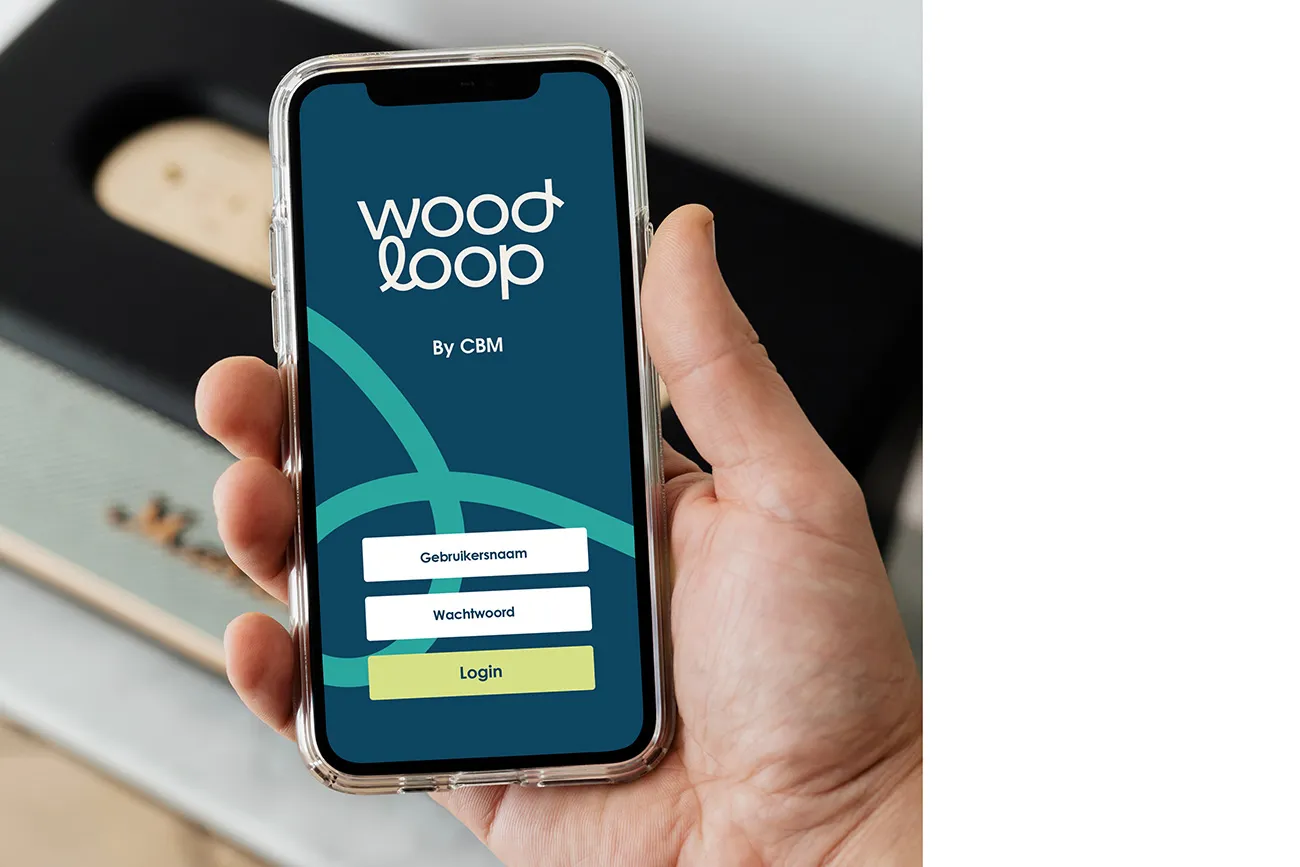
Join Wood Loop!
Recycling is therefore a very important issue in the furniture industry. “To address this, CBM launched the Wood Loop initiative. It is a collection and reuse scheme for chipboard and MDF. The collected chipboard offcuts are used to make new chipboard. Small businesses can take part easily. We provide them with crates in which they can collect their wood waste separately. By scanning the QR code on the crates, businesses can track how much wood waste they hand in and how much CO2 this saves.
It’s an easy way to show how you are working towards a circular economy. So do get in touch with us to take part. This is the moment!”
Furniture businesses can stay involved in the training and education of new employees by attending schools’ open days. They can also offer work placements or apprenticeships. “CBM also has seven regional partnerships, each with its own board and member businesses. The businesses train BBL apprentices through a combination of four days at work and one day at college. CBM handles the apprentices’ administration and absence management, and supports the regional boards. This takes a lot of work off the businesses’ hands.”
Further training is just as important
Kees also believes it is vital for existing employees to continue developing. “Increasingly, it’s not just about ‘what can I earn?’, but also ‘what can I learn?’” There are various subsidy schemes to support continued investment in training. Businesses covered by the Furniture collective labour agreement can access subsidised courses and training from the Expertise Centrum Meubel (ECM). CBM and ECM work closely together to promote education and training and improve the sustainable employability of employees. The HMC also offers training programmes under the HMC next banner, with courses that employees can take after graduating to advance to a higher level. At CBM, we work with ECM to encourage furniture businesses to keep investing in new and existing employees.”
Een zakelijke vraag aan CBM branchevereniging? Get in touch
Companies in this story

Keep following this
Get an email when a new story is published. No account needed.
- ThemeRunning an interior fit-out business
- SubjectGeneral
- CompanyCBM trade association







