











More function, less clutter
Text Kris VandekerckhoveImage Unsplash
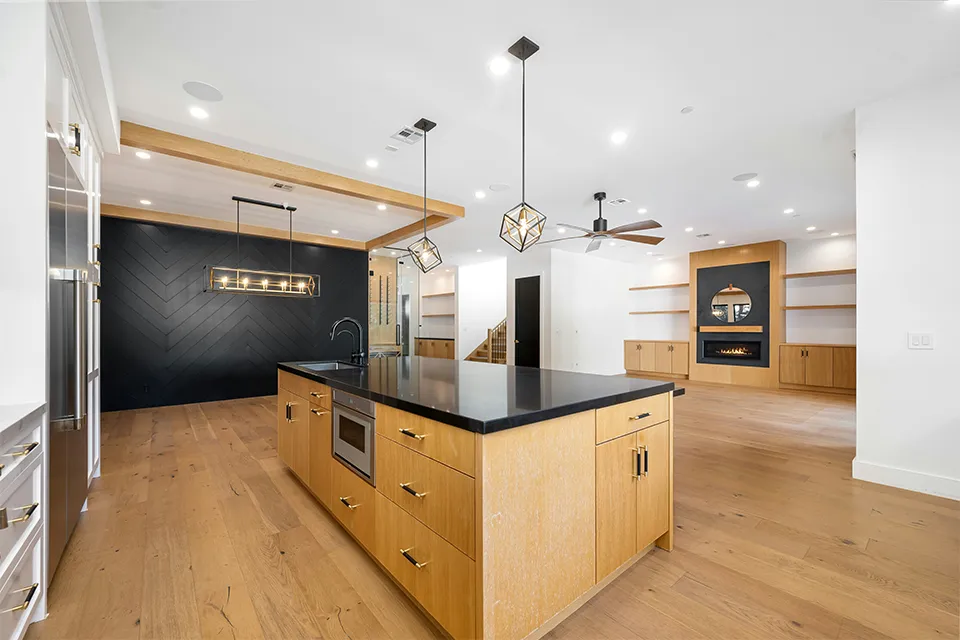
Layouts, materials and appliances are steering kitchens towards calm, ease of use and sustainability
The kitchen is increasingly evolving from a dedicated cooking area into a multifunctional living and working space. In both new-builds and renovations, the focus is on flexibility, comfort and sustainability, with solutions to suit a range of homes, from compact city apartments to open-plan kitchens.
International trade fairs and trend reports point to a clear common thread: ‘more function, less clutter’, and materials built to last.
Multifunctional layouts and ‘hidden’ functionality
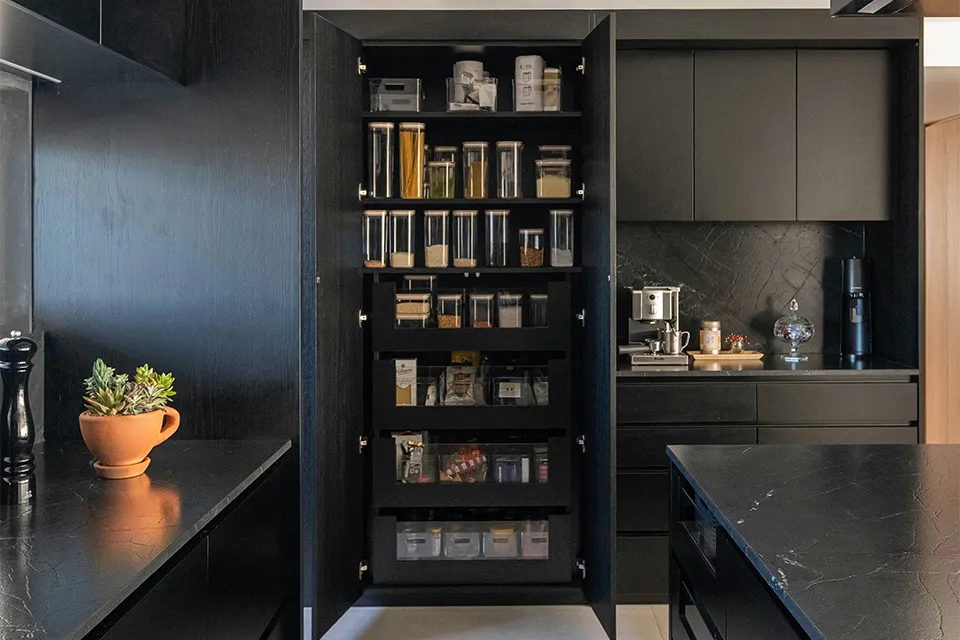
Designers are creating kitchens that fit everyday life. Think islands that double as worktops, dining tables and places to gather, as well as extra zones such as coffee and drinks stations and compact pantry solutions. One notable sub-trend is the ‘conceal & hide’ principle: appliances, sockets, storage compartments and even work areas disappear behind sliding panels or into banks of cabinets. This creates a calmer overall look.
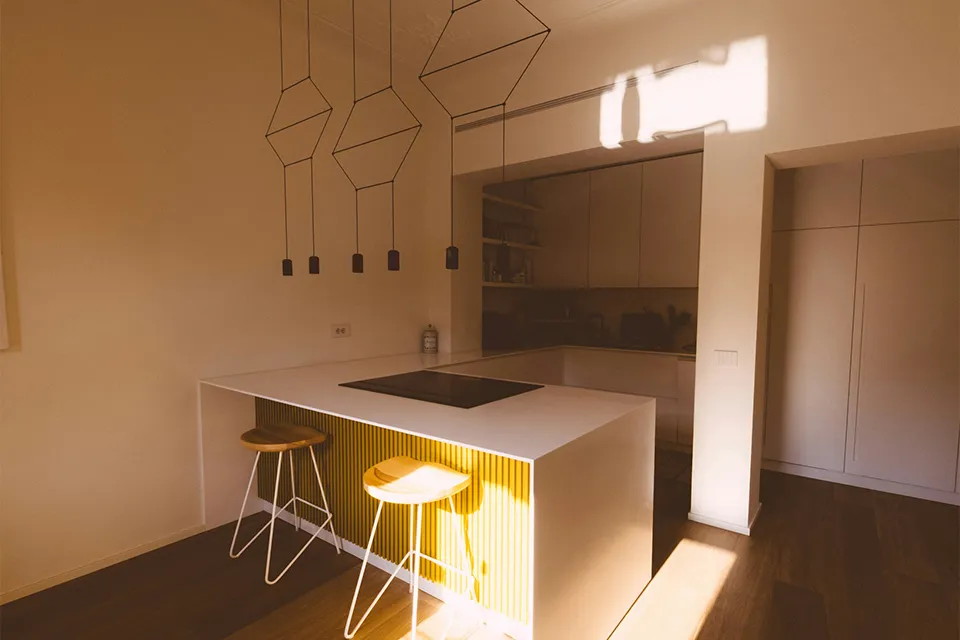
A warmer, more natural look and mixed materials
After years of cool minimalism, warmer, natural tones and tactile textures are becoming more common. EuroCucina (Salone del Mobile) highlighted new material applications, dark or ‘full black’ accents and modular systems. Trend reports from Milan Design Week/EuroCucina also point to ceramic and stone effects, terracotta influences and material combinations that create a ‘soft’, homely feel without abandoning clean lines altogether.
Sustainable, easy-care surfaces
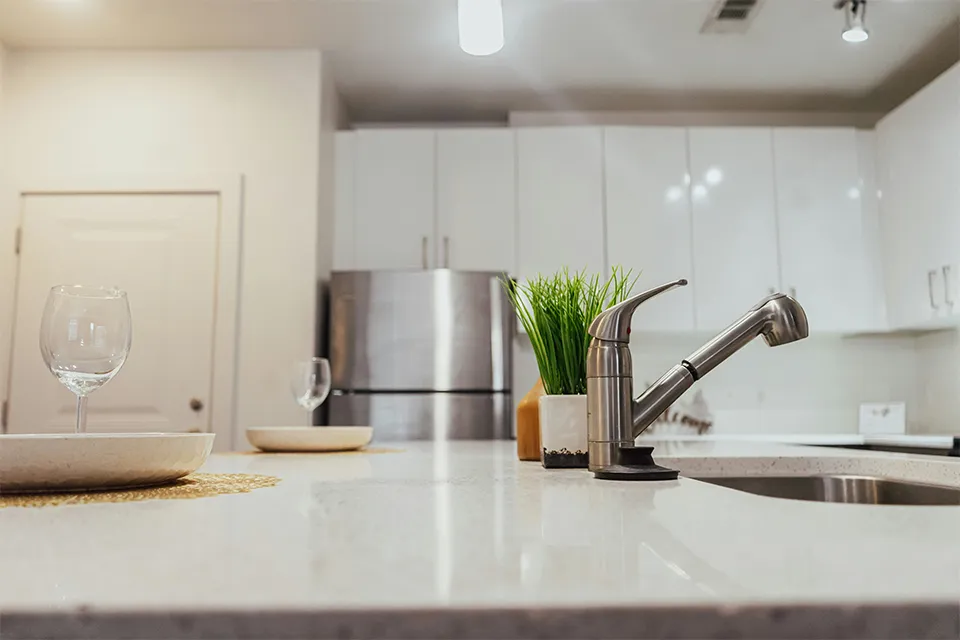
Worktops, fronts and splashbacks need to be not only attractive, but above all durable and easy to maintain. Trend reports highlight the enduring popularity of low-maintenance, wear-resistant materials (such as quartz) and a broader shift away from more maintenance-intensive natural stone options. Interest is also growing in circular principles, through the use of recycled materials, longer product lifespans and components that are easier to replace or repair. This is particularly relevant to renovation projects.
Energy-efficient appliances and (EU) regulations as a catalyst
Energy consumption is an important selection criterion. In the EU, energy labelling and ecodesign requirements apply to various household appliances, including cooking, cleaning and ventilation products. Products must also be registered in the EPREL database, supporting transparency. Requirements for cooking appliances and extractor hoods are also being updated, with an emphasis on efficiency and sustainability throughout the product lifecycle.
Electrification, induction and better ventilation
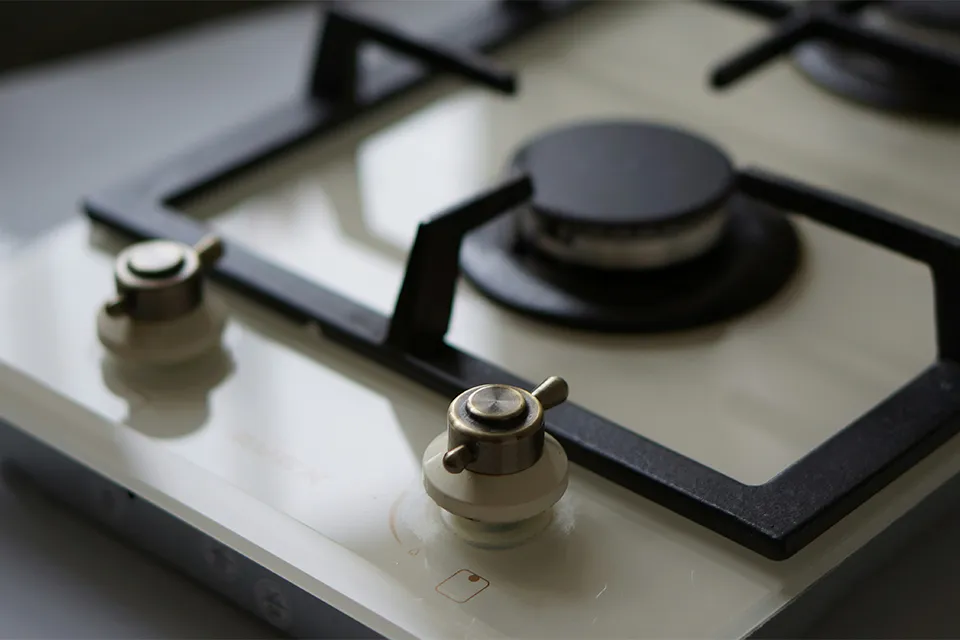
The shift to electric cooking, particularly induction, is linked to energy efficiency, safety and living comfort. Manufacturers are showcasing new generations of induction hobs and more compact oven designs, often in modular configurations. Ventilation is also receiving more attention, with quieter, more effective extraction and better integration into the design, for example in the kitchen island, to improve comfort in open-plan living spaces.
Balancing aesthetics and performance
Kitchen trends today are about balancing aesthetics and performance. The result is flexible use, calm design, warmer materials and demonstrable efficiency. For end users, this means thoughtful layouts, easy-care choices and appliances that meet tougher energy and sustainability expectations.
Question about this story? Ask your question
Keep following this
Get an email when a new story is published. No account needed.
- ThemeSmart kitchens and cabinet interiors
- SubjectGeneral







