Oak veneer remains a favourite despite rising prices
Text Tamara BrouwersImage Kuiper Holland
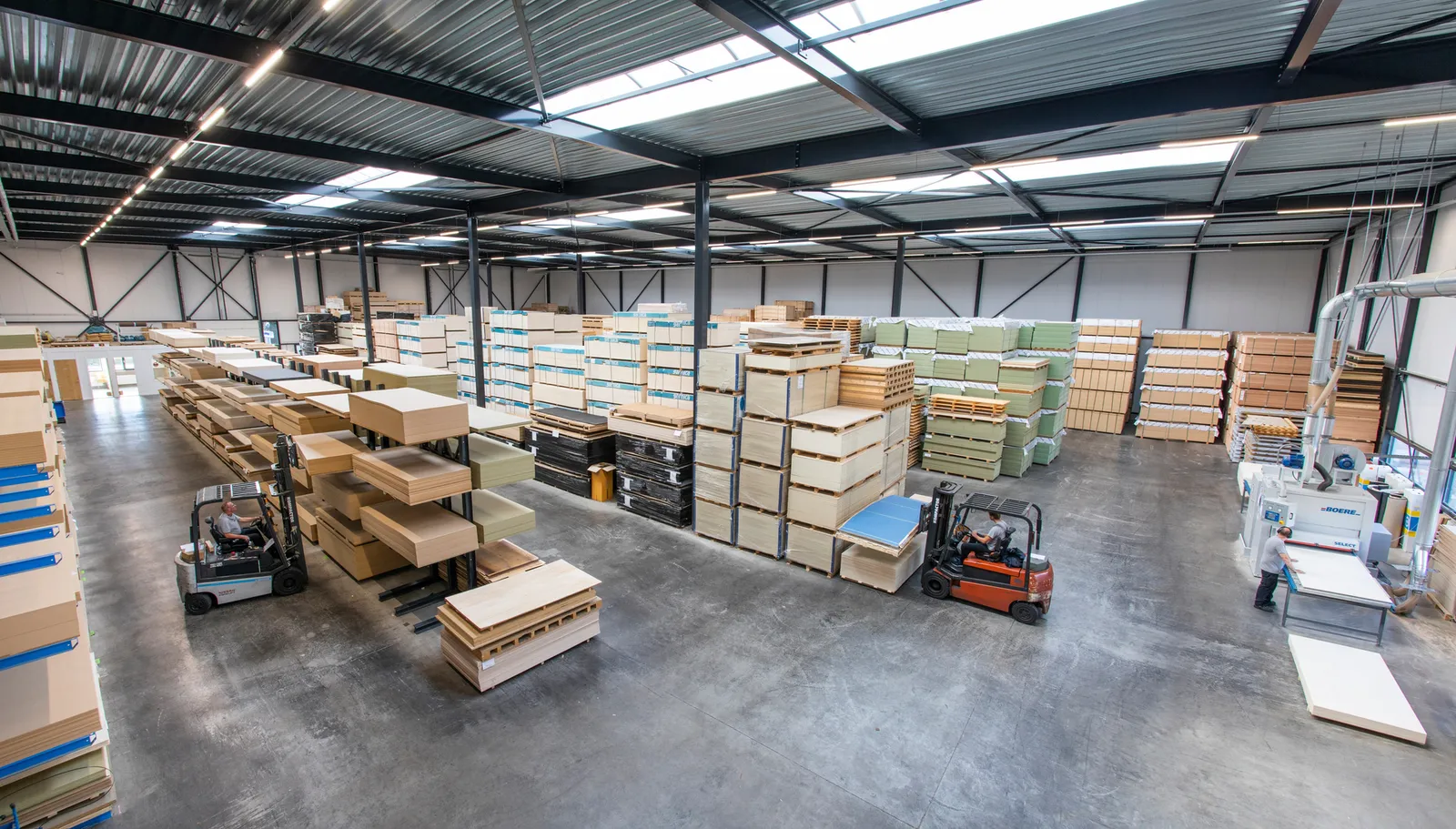
Availability calls for more considered material choices
Oak is by far the most widely used veneer in the Dutch interior construction industry, but the market is under pressure. Prices have risen in recent months and the availability of high-quality veneer has declined. According to Kuiper Holland, a specialist in veneered board materials, this calls for careful material selection and close coordination between architect, interior contractor and supplier.
“The price of oak veneer has been rising for around six months,” says Thijs Haarhuis, commercial manager at Kuiper Holland. “This is mainly due to the limited availability of suitable logs. Only a small proportion of oak logs are suitable for slicing into veneer, and those logs are increasingly being bought up by companies from Asia and America. Veneer producers are also facing higher energy costs.” Kuiper Holland is focusing on strong supplier relationships and a reliable network to ensure it can continue to secure veneer supplies.
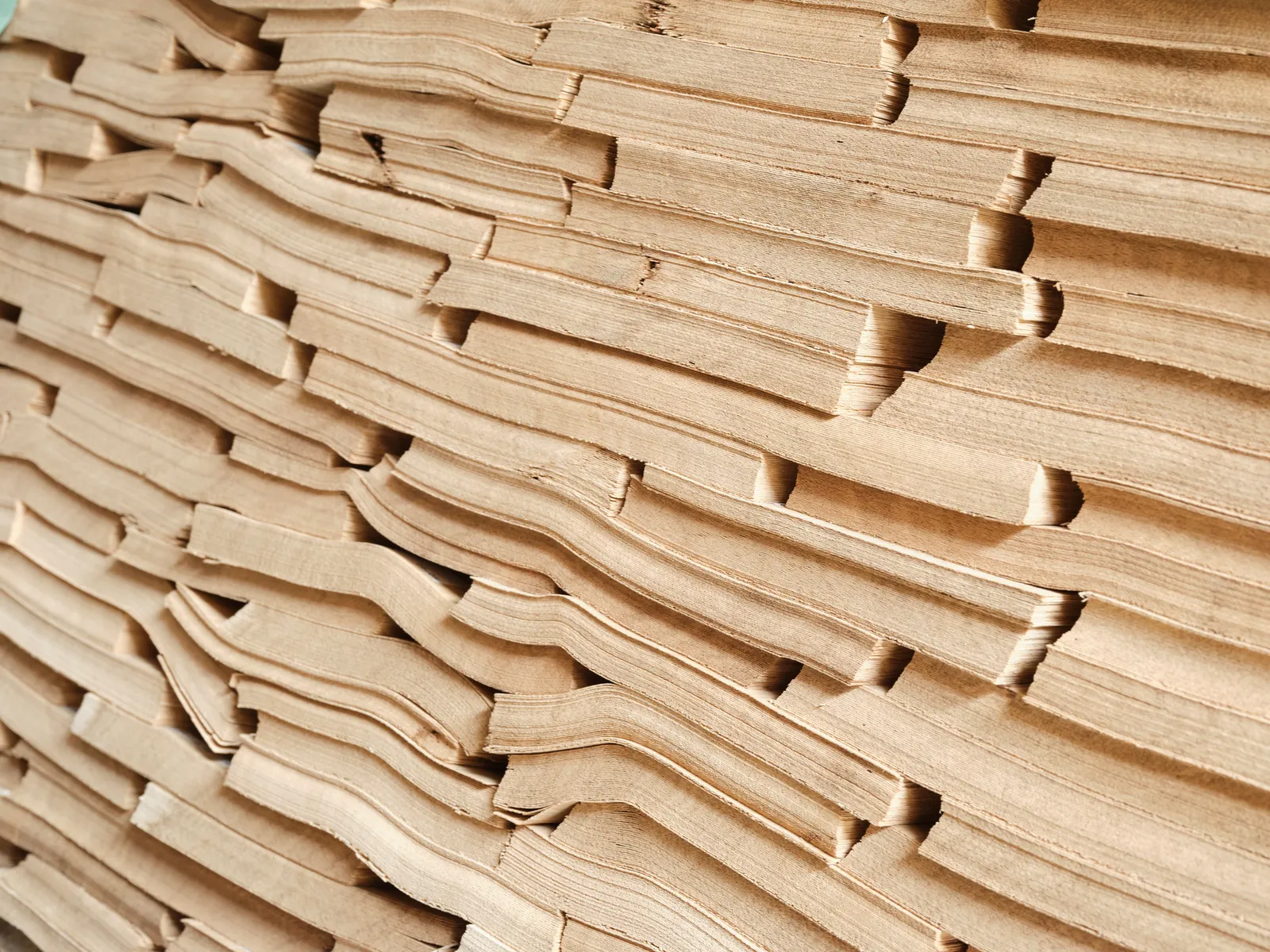
Consider alternatives
For interior contractors, these developments mean above all that they need to factor in higher material costs. Haarhuis says this is unfortunately part of a wider trend. “It is not just veneer that has become more expensive. Board materials, adhesives and other raw materials have also risen in price. Everyone in the supply chain is affected.” Although oak remains the first choice for the vast majority of projects, Kuiper Holland also sees opportunities in alternative wood species. Haarhuis cites ash as an interesting example. “Ash is more favourably priced and takes colour exceptionally well. Since oak is stained in many projects anyway, ash can be a good alternative for some applications.”
He says eucalyptus veneer is also gaining ground. “It is a fast-growing European wood species available in several finishes, including smoked and unsmoked.” Architects are using this wood species increasingly often, too.
Project-specific advice
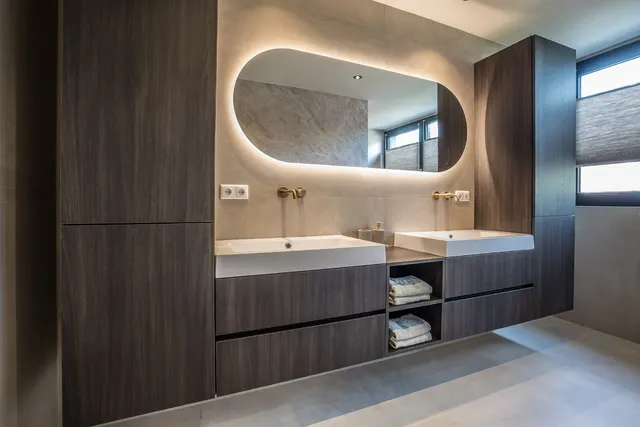
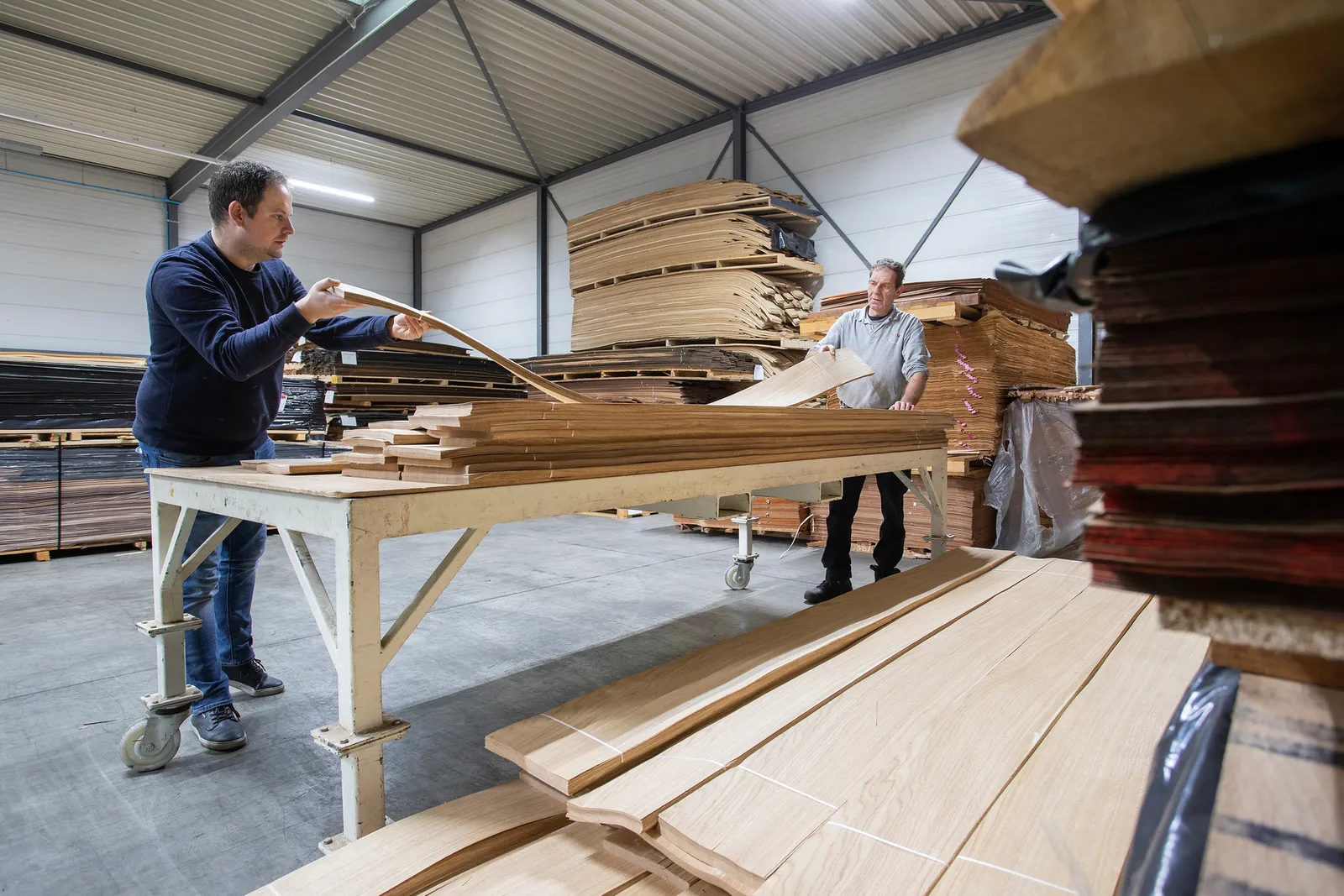
When a project specifically calls for oak, good coordination is particularly important, according to Haarhuis. After all, not every project requires the same veneer quality. “If we know what the finished result needs to look like, we can often recommend a suitable grade. For example, if a surface is to be stained dark or given an opaque finish, a more expensive veneer grade is by no means always necessary.”
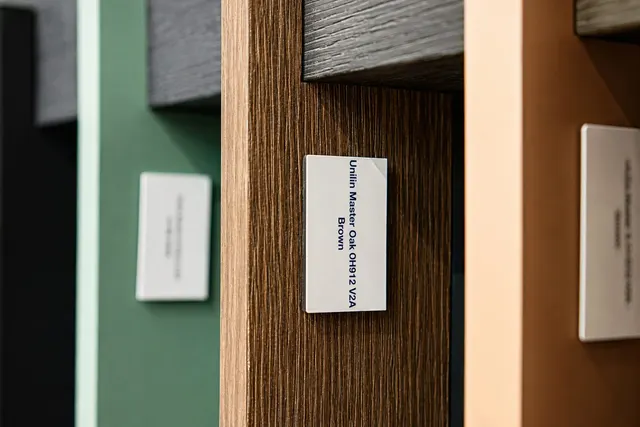
Kuiper Holland therefore invites customers to assess the different grades in practice. Interior contractors are also increasingly bringing end customers along to select the veneer themselves. “This prevents discussions later on and gives clients a clear idea of the natural variations in wood. We believe this personal advice is a significant added value.”
Despite the pressure on the raw materials market, Kuiper Holland is keeping a close eye on the supply chain. The company aims to safeguard the supply of veneered boards and continue delivering the required quality.
Question about this story? Ask your question
Keep following this
Get an email when a new story is published. No account needed.
- ThemeFrom sheet materials to construction
- SubjectTimber & sheet materials