Making more use of data from the drawing
Text Tamara BrouwersImage Palette CAD
A drawing contains a wealth of information that is needed again later in the business process. Palette CAD makes this data available to ERP systems, but also offers options for interior fit-out companies that do not use an external system.
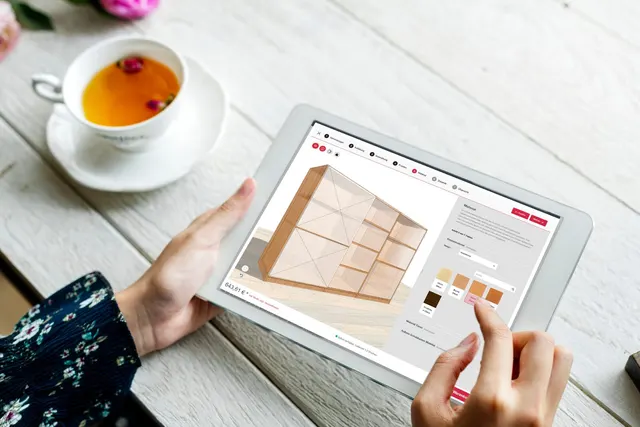
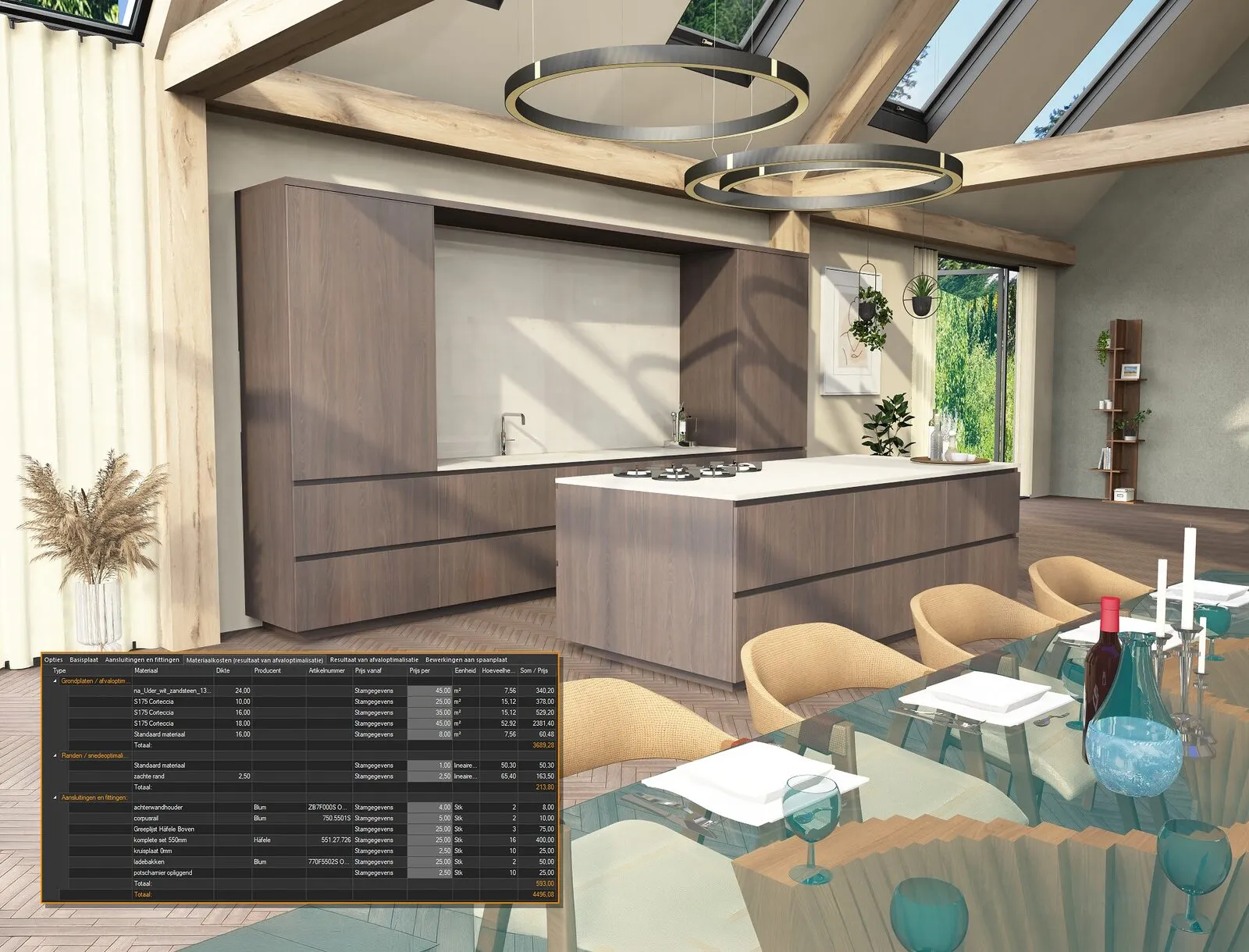
When designing a piece of furniture or a complete interior in Palette CAD, users record all kinds of information as they draw. How much sheet material is needed, how many metres of edge banding and how many hinges? This information can be extracted from the drawing via a bill of materials and put to further use.
According to Daan Spork, Quality Manager CAD at Palette CAD, not all users are aware of what is possible. “We regularly get asked: how do I get the information from my drawing into my ERP system? The data is already there. We can make sure it is exported in the right format.”
Palette CAD offers two options. Houttechniek 2.0 is designed to make data from the drawing available for further processing in an external ERP system. Houttechniek 3.0 can also export this data, but additionally lets users view material and machining costs within Palette CAD. This also makes 3.0 useful for companies without an ERP system.
From drawing to ERP
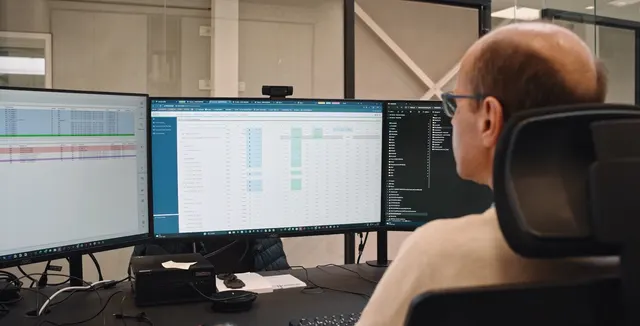
With Houttechniek 2.0, the required data is extracted from the drawing via a bill of materials. It can be exported as an Excel file and then imported into the ERP system. This exchange is already supported with systems including Syntri and Proteus. The ERP system can then use the data for estimates, quotations and order lists, for example.
Palette CAD wants to extend this capability to other ERP systems used in the interior fit-out sector. “You don’t want to have to manually enter everything again after you’ve already recorded it while drawing,” says Spork.
The bill of materials is configured together with the support team, since the information required can vary from company to company. Should the drawing name, for example, be included? And which data should be included in the export? “We work with the customer to dot the i’s and cross the t’s, so the list fits the way the company works.” This support requires a service package, which is included as standard with Palette CAD Complete.
Costing without an ERP system
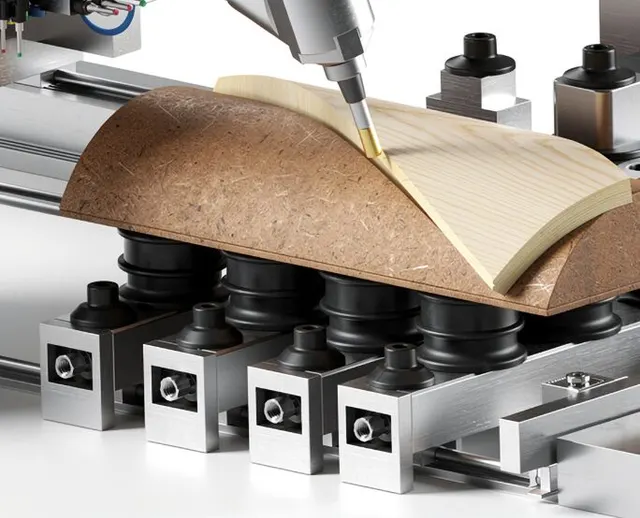
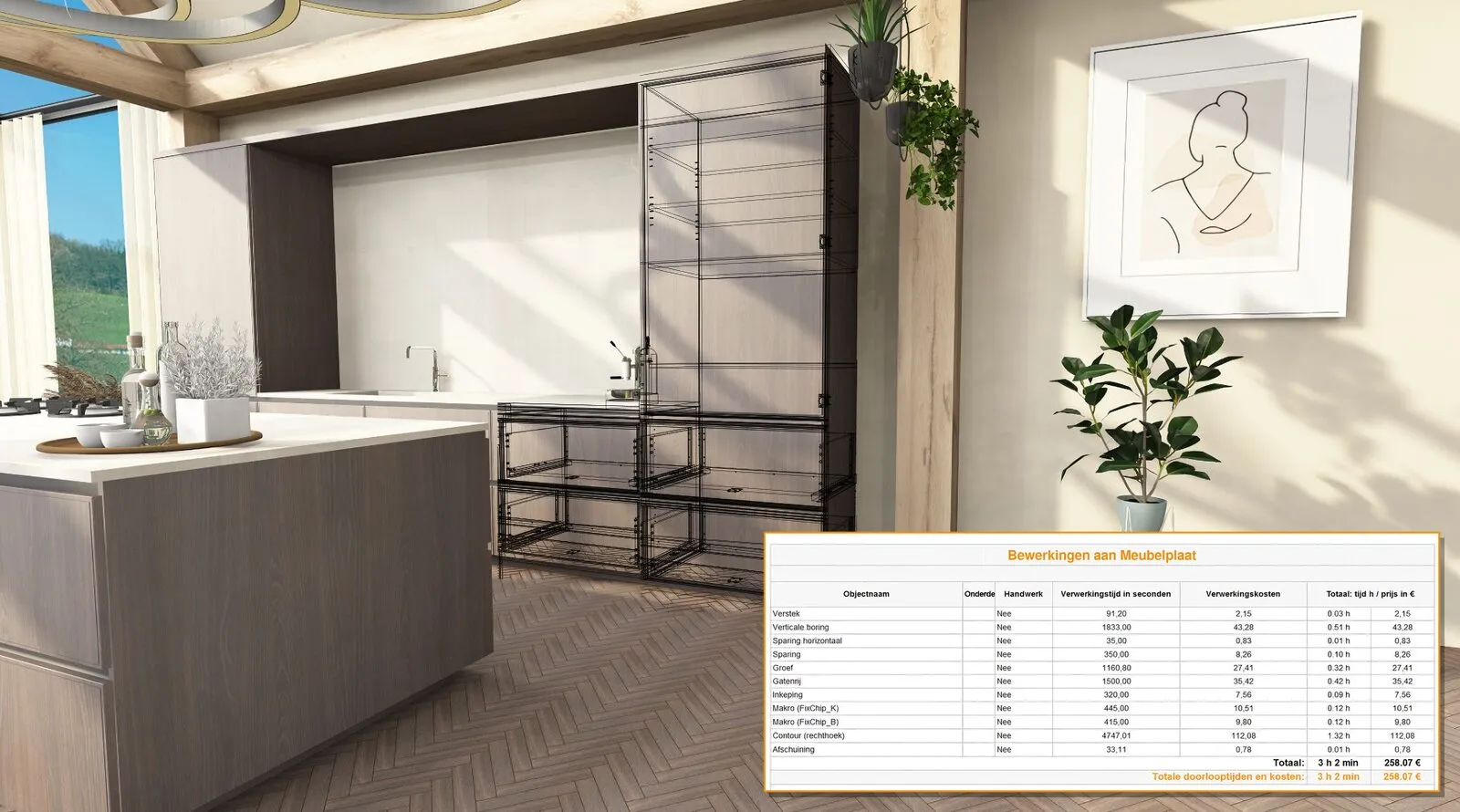
For companies without a separate ERP system, Houttechniek 3.0 offers more options within Palette CAD itself. As well as material prices, CNC machining costs can now also be included. Times can be assigned to drilling, cut-outs and sawing operations, which, combined with an hourly rate, give an indication of machining costs.
These costs can be viewed per furniture panel, per cabinet or for the complete drawing. This also shows where costs are relatively high within a design, making it possible to identify where changes could be made. Sheet material can also be costed more accurately. Users can look at the number of square metres in the drawing, as well as the number of full sheets that actually need to be ordered. The latter gives a more realistic picture of material costs.
Like version 2.0, Houttechniek 3.0 can export data to an ERP system. The main difference is what can already be done with the data within Palette CAD itself. “Palette CAD is not a costing programme,” Spork emphasises. “But it is useful for our users to be able to quickly see the material and CNC machining costs for a piece of furniture.” This allows the information in the drawing to be put to further use, with or without an ERP system.
Een zakelijke vraag aan PaletteCAD Nederland? Get in touch
Companies in this story
Keep following this
Get an email when a new story is published. No account needed.
- ThemeFrom sheet materials to construction
- SubjectSoftware & digitalisation
- CompanyPaletteCAD Nederland