











A tooling plan as the basis for production
Text Tamara BrouwersImage De Koster Fijntimmerwerken
From manual work to a machining centre
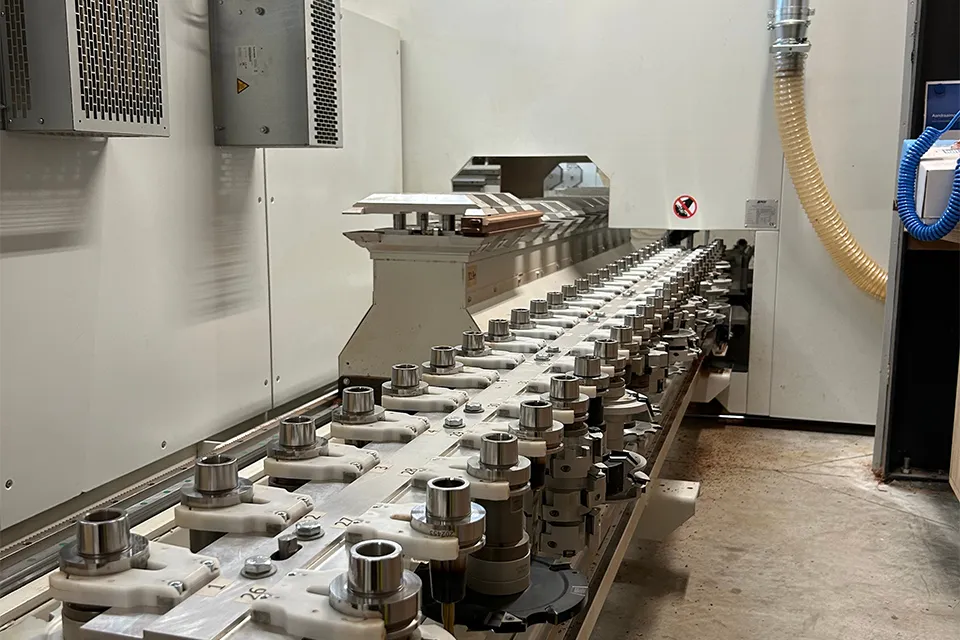
With 55 tooling sets in a compact machine configuration and a wide range of profiles, De Koster Fijntimmerwerken’s machining centre required precise coordination down to the millimetre. This complexity shaped the approach to the project, with Leitz Service B.V. involved from the outset.
The two companies’ relationship dates back to the contracting business run by owner Marco de Koster’s father. “We used to go there for tools, maintenance and saw blades,” says Kevin Potappel of Leitz. “When De Koster Fijntimmerwerken was set up, we stayed in touch. We’ve been involved from the start. About two and a half years ago, they took the step into machining centres.”
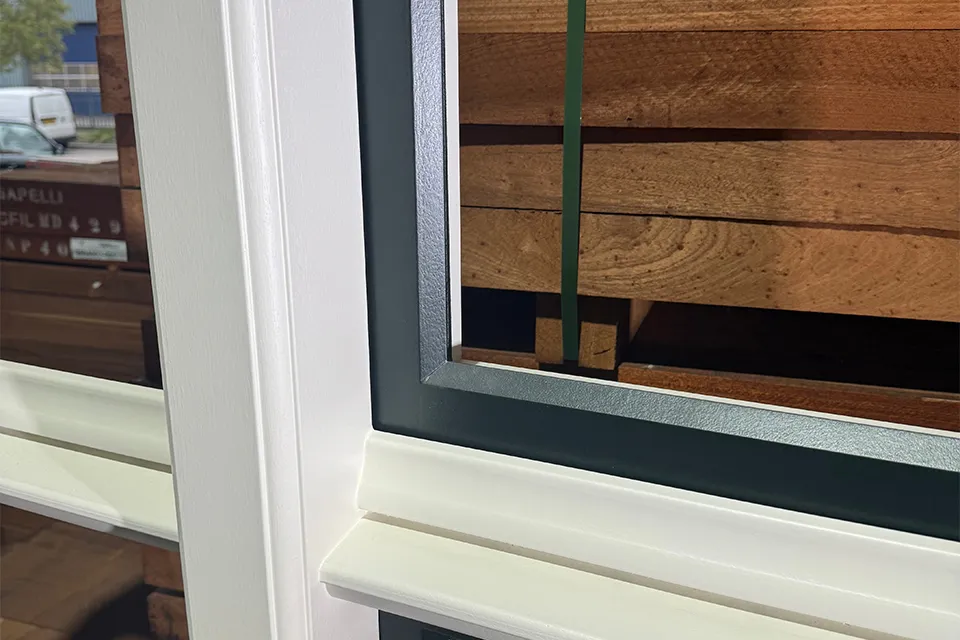
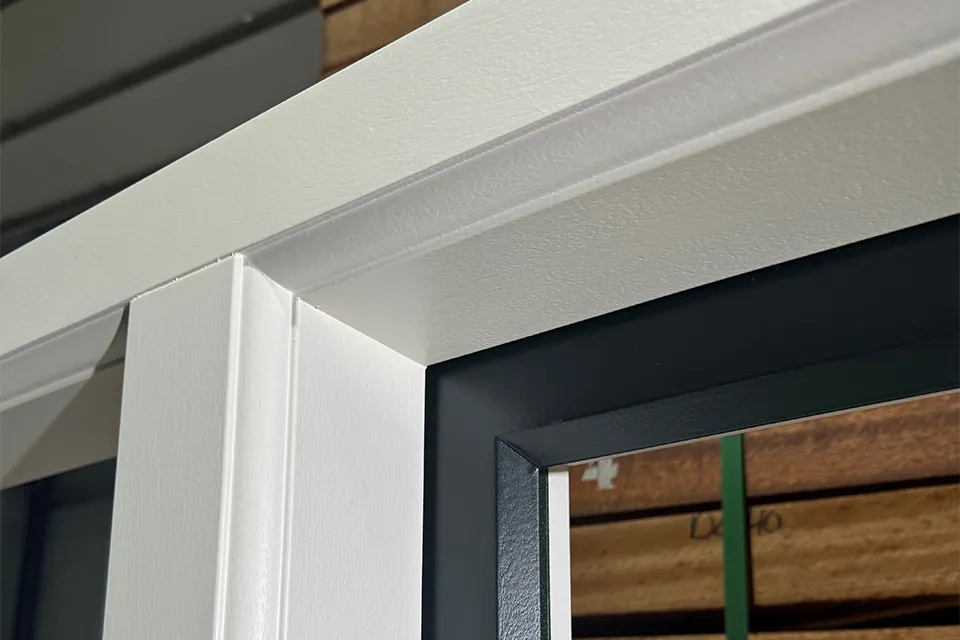
That step began with some research. De Koster had already discussed the subject with Leitz and visited other companies using similar setups. “At first, we had separate tools and briefly worked with an angled setup. It just wasn’t right for us. When we saw the Windowmaster 10 in operation at other companies, we were sold,” he says.
At that stage, it became clear just how many decisions needed to be made. “There’s a lot to take in. Things you once took for granted suddenly need to be thought through from scratch. What do you want to make, and how are you going to do it? We received excellent guidance.”
Tooling as the starting point
Leitz translated those requirements into a detailed plan. “We start with a conversation: what do you want to produce, and which profiles are involved? Based on that, we draw up a complete tooling plan,” says Potappel. The plan is coordinated with the machine supplier and software provider. “We supply the right data to ensure everything works together.”
For De Koster Fijntimmerwerken, the process took four to five months. During that time, profiles were defined and tooling developed. A total of 55 tooling sets were installed in the machine, most of them specially configured. “That’s bespoke work from scratch,” says Potappel. “We also help set up the machine and make software adjustments.”
The challenge was to combine a long list of requirements with a relatively compact machine. “There are about fifty positions available. So you have to think very carefully about where to place each tool,” says Potappel. “Sometimes you switch between tools for different window frames. It’s a matter of millimetres.”
From manual work to a process
At the same time, the production process changed dramatically. Whereas several machines were used before, the focus is now on preparation and automation. “The timber sometimes passed through your hands eight times,” says Potappel. “With this setup, you want to get it right in one go.”
De Koster prepares production and simulates the process in the office. “A single window sometimes requires six tools,” says Potappel. “The machine changes them automatically, but that only works if everything is right in advance.”
De Koster sees the main benefit in efficiency. “We’ve created a lot of possibilities, although in this line of work you’ll always run up against limitations. In any case, lead times have come down considerably.”
Question about this story? Ask your question
Companies in this story

Keep following this
Get an email when a new story is published. No account needed.
- ThemeMore bespoke work from the workshop
- SubjectGeneral
- CompanyLeitz







