











Circular designer furniture made in the Netherlands
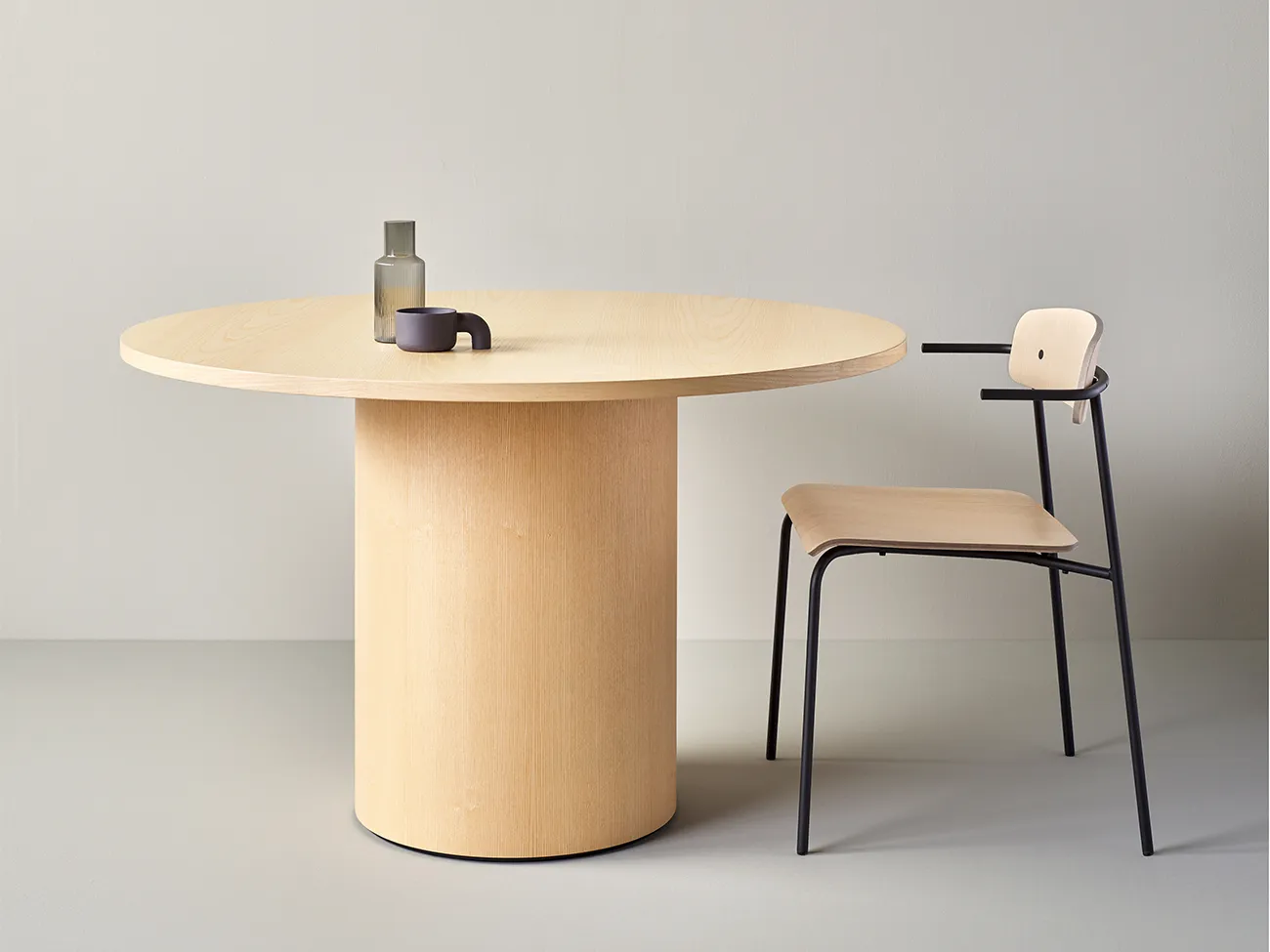
How can a furniture brand become truly sustainable? The answer is simple: make sustainability a starting point from the outset, rather than adding it later.
With sustainability as its top priority, Pim Dekkers founded Occony. Driven by a strong sense of responsibility towards the world today and future generations, Occony works with materials that are harmless to nature. These include waste paper, coconut fibre, recycled fabrics and waste streams from agriculture and horticulture. We speak to co-owner Rick Konings about quality and design, sustainability, the importance of sourcing these materials in general and, in particular, the partnership with Kuiper Holland when it comes to veneer.
Working locally
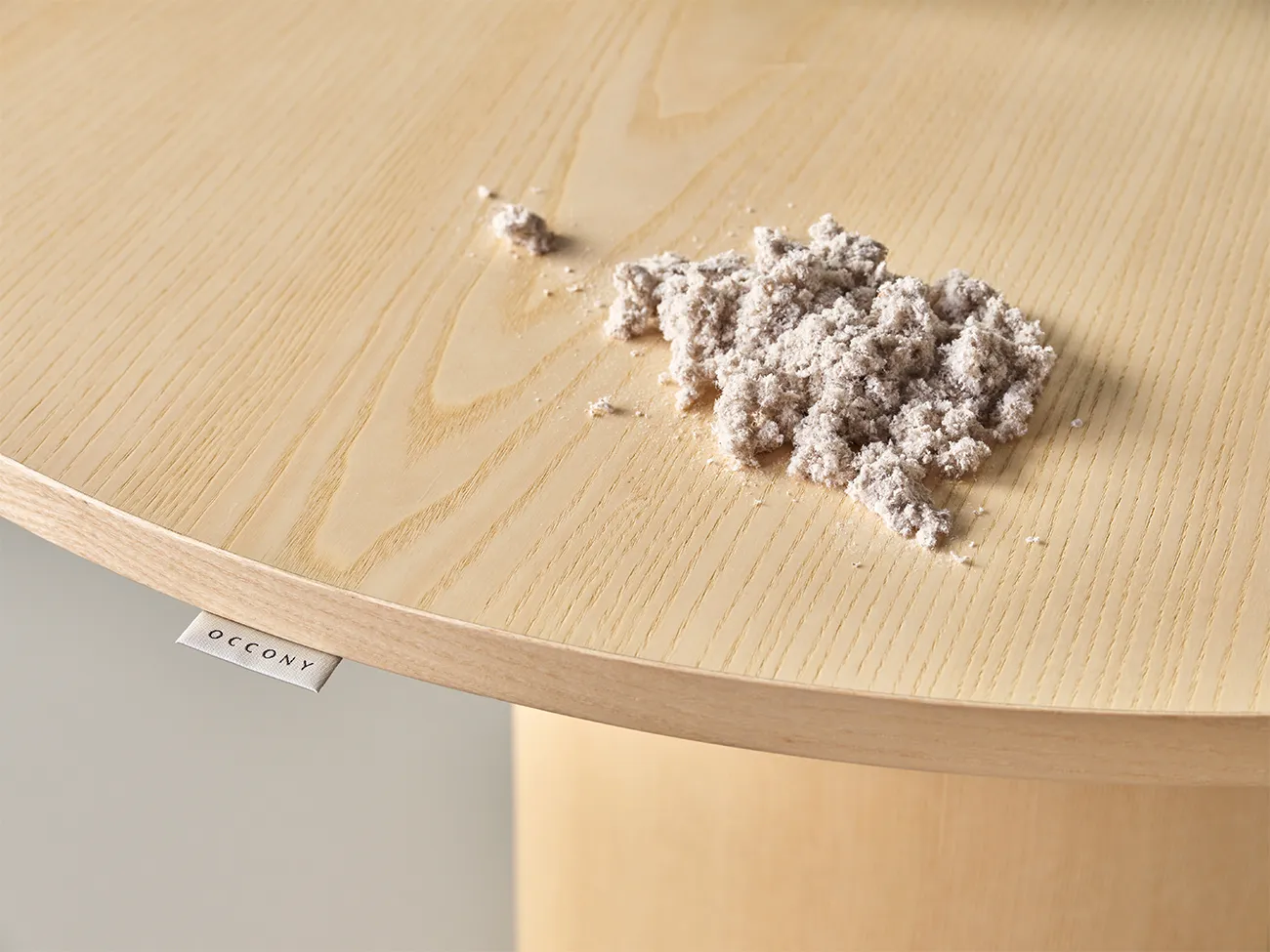
“Our brand was founded on the belief that everything should be as sustainable as possible,” Rick begins. “Working locally already makes a big difference: it cuts transport and therefore CO2 emissions. Our products are carefully designed with circularity in mind. We have considered whether every component can be recycled. This means that a piece of furniture can be returned to the supply chain in its component parts for reuse. We are proud of that. We are a design brand whose raw materials are waste or recycled content. These materials can all be recycled separately, or the furniture can be refurbished.”
Veneer is processed sustainably too
Occony chose Kuiper Holland as its veneer supplier for good reason. Rick explains: “Kuiper is a Dutch company that manufactures in the Netherlands. All the veneer is laid up to size for us, so we have virtually no offcuts. The quality and consistency of the veneer supplied by Kuiper are simply top-notch, which drives up our ‘first-time-right’ rate. That is sustainable too.”
Occony presses the veneer supplied by Kuiper onto Flex Backing and uses it in both straight and curved applications. “We source ash, oak and walnut veneer from Kuiper Holland. The veneer and Flex Backing are bonded using a process that allows the two materials to be separated easily later on,” Rick explains.
“Kuiper’s veneer is used either for bespoke work or to make our Kami tables, designed by Joost van der Vecht. We launched this concept together with Arco in Winterswijk, where the Kami collection is made. The Kami table collection is made with a core of compressed waste paper.”
Cabinetry too
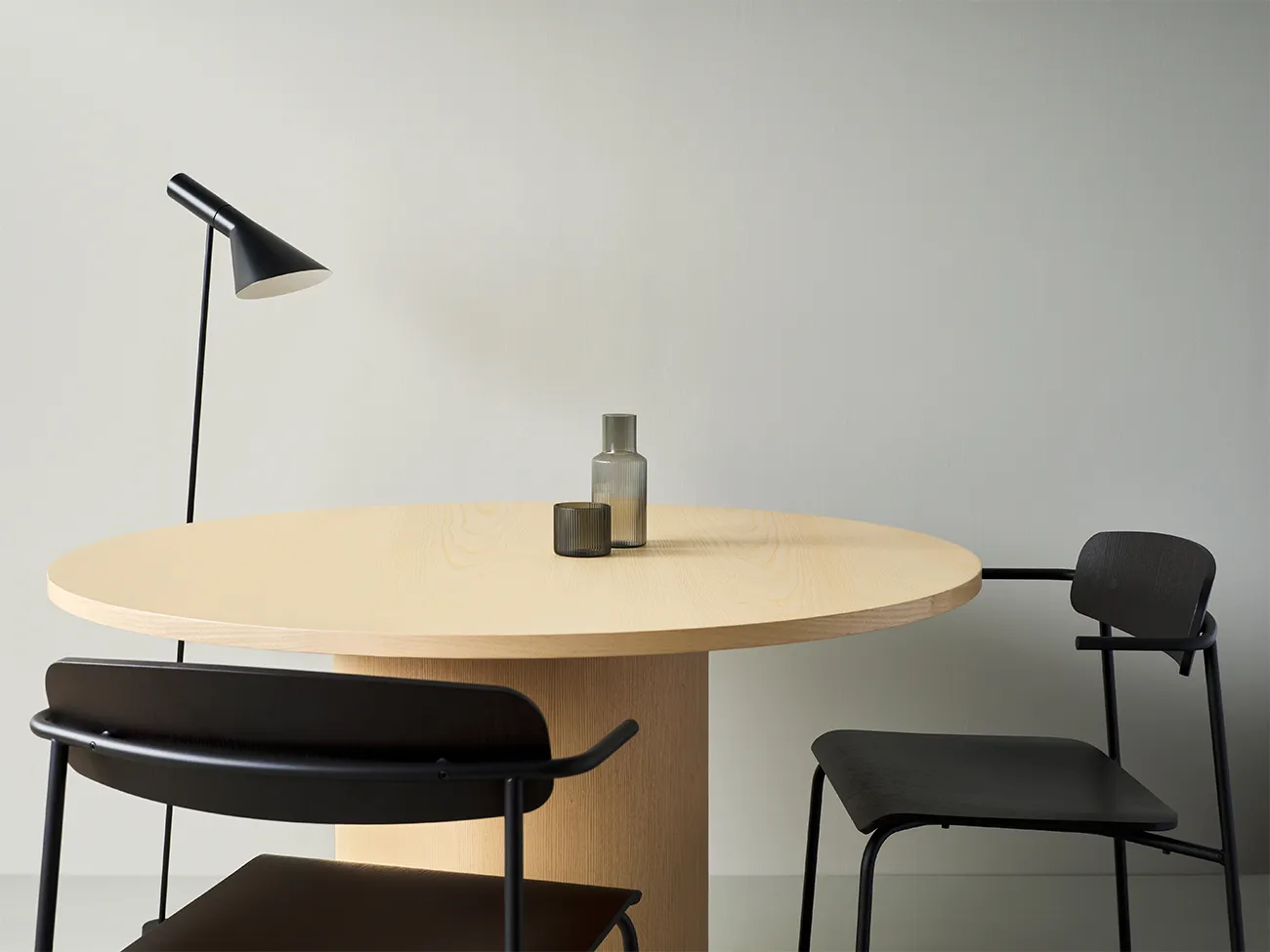
Kuiper Holland’s veneer is also used to make cabinets. “Kuiper is a pleasure to work with as a supplier. We source more than just our veneer from them: we can also draw on their extensive expertise whenever we need it. We get all the support we need, and when we have a challenge on the table, they are always happy to help find a good solution.
Joost van der Vecht on his design for the Kami collection:
“The design brief for the Kami collection was to develop a table system with a recurring life cycle. My aim was therefore to build the entire table from recycled paper, including the base. To do this, I made use of the stiffness of a column. A sheet of paper becomes strong when you roll it into a tube, after all. The result is a design with a very clear look that everyone understands. The table’s design and its footprint have become a ‘bold’ yet friendly statement.”
Question about this story? Ask your question
Keep following this
Get an email when a new story is published. No account needed.
- ThemeMore sustainable materials and longer use
- SubjectGeneral







