











Circular kitchen worktop production is now the standard
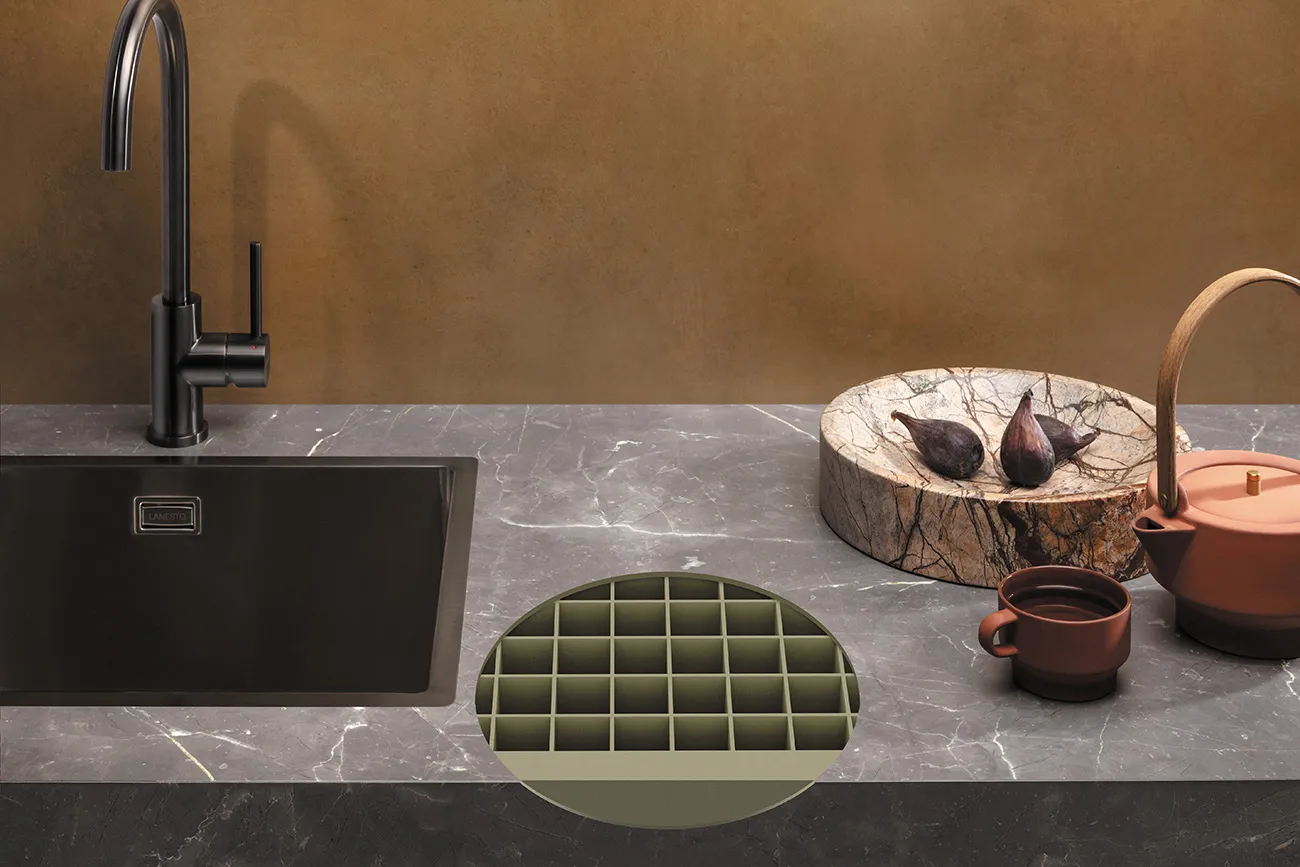
Sustainable alternative to plywood conquers the market
At Dekker Zevenhuizen, they are certain: achieving an (ultimate) green and sustainable end product, such as a kitchen worktop, has become the standard today. End users are no longer willing to settle for less. In recent years, Dekker Zevenhuizen has responded well and effectively to this trend.
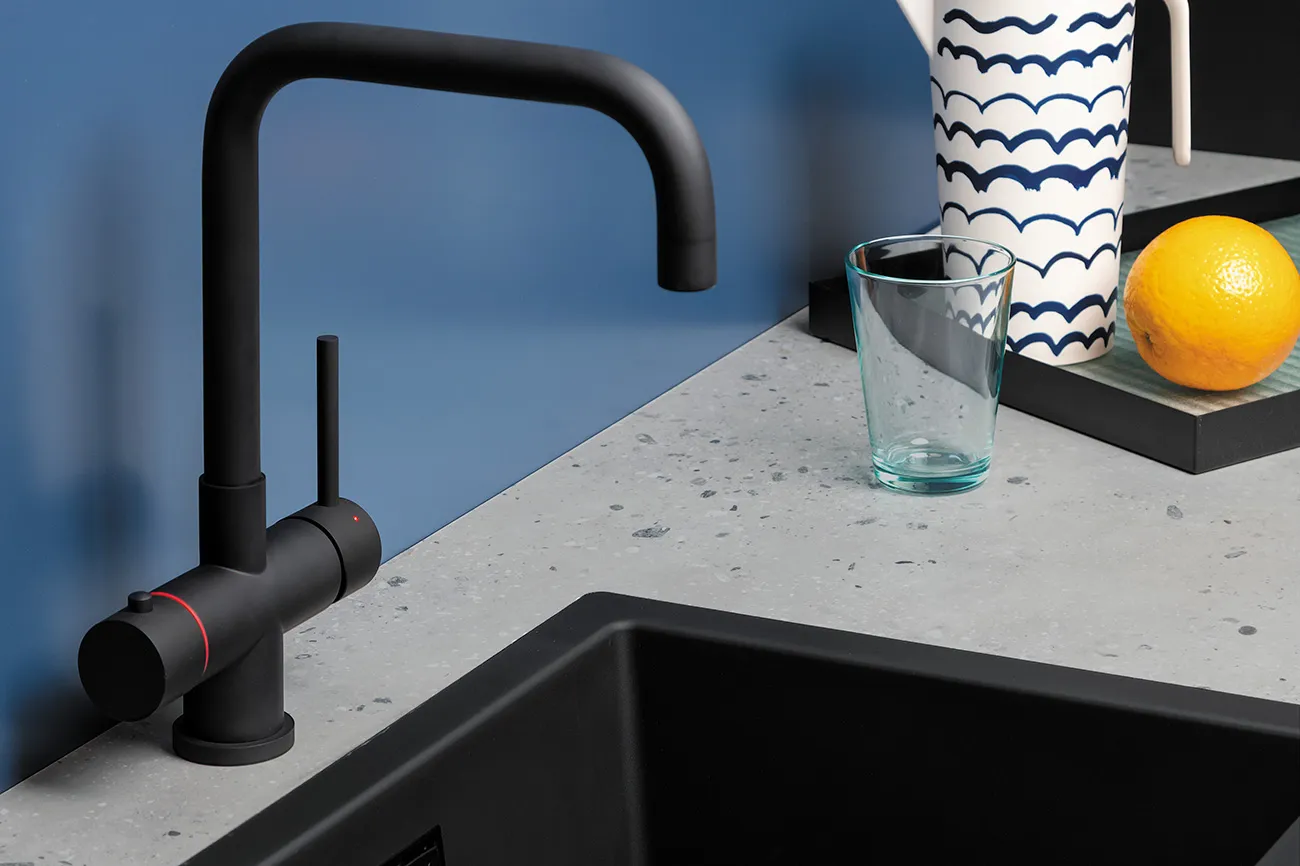
First, a little look back. Dekker Zevenhuizen took its first steps in this area back in 2012, when the company launched patented Greengridz®, the sustainable alternative to plywood. “Even then, we saw that interior designers, partly in response to growing market demand, were looking for products with the lowest possible environmental impact. Greengridz® kitchen worktops perform best in this respect,” says Ben van Elk, who is responsible for marketing at Dekker Zevenhuizen.
Compared with kitchen worktops made from plywood or another traditional worktop material, Greengridz® has been head and shoulders above the rest for years. “Its production uses the least material, only environmentally friendly raw materials are used, and CO2 emissions are minimal, not only during production but also thanks to efficient transport and smart waste processing.”
“But there’s more,” says Ben. “At the end of its life cycle, a Greengridz® kitchen worktop can be 100% reused. The GRID system is then upcycled. The carbon produced during this pyrolysis process is used to make water and air filters. The heat generated is used to heat buildings.”
Ecosystem
“All of this fits perfectly with our company’s sustainability ambitions. The supply of raw materials is, after all, finite. We have an obligation to ourselves and to future generations to take care of our ecosystem. That is why it is important that a product’s raw materials can be reused at the end of its life cycle. This vision formed the basis for the development of Greengridz®. Simply saying you want to be circular is not enough. Being circular is about putting it into practice.”
Recently, Dekker Zevenhuizen launched two sustainable high-tech materials with properties comparable to composite stone. Obsidiana and Cosmolite® are the latest kitchen worktops made from waste, from recycled glass and recycled minerals respectively. “These latest products prove that we are now able to make a real difference in the pursuit of sustainable materials for kitchen worktops,” Ben concludes.
About Greengridz®: the sustainable kitchen worktop
Greengridz® is an innovative, award-winning and patented core material for kitchen worktops that can be laminated with TopLaminate®, DecorTop® or FENIX®. Greengridz® is more resistant to impact and water than plywood. It is also more stable and lighter, as well as much more affordable. Less raw material is needed to produce Greengridz® than to produce traditional worktops, reducing its ecological footprint. The production process is green too: it is FSC and Carb-2 certified. As Greengridz® is lightweight, less fuel is needed to transport it, resulting in lower CO2 emissions.
Question about this story? Ask your question
Companies in this story
Keep following this
Get an email when a new story is published. No account needed.
- ThemeFrom sheet materials to construction
- SubjectGeneral
- CompanyDekker Zevenhuizen







