











Forged strength and innovation in steel for interior fit-out
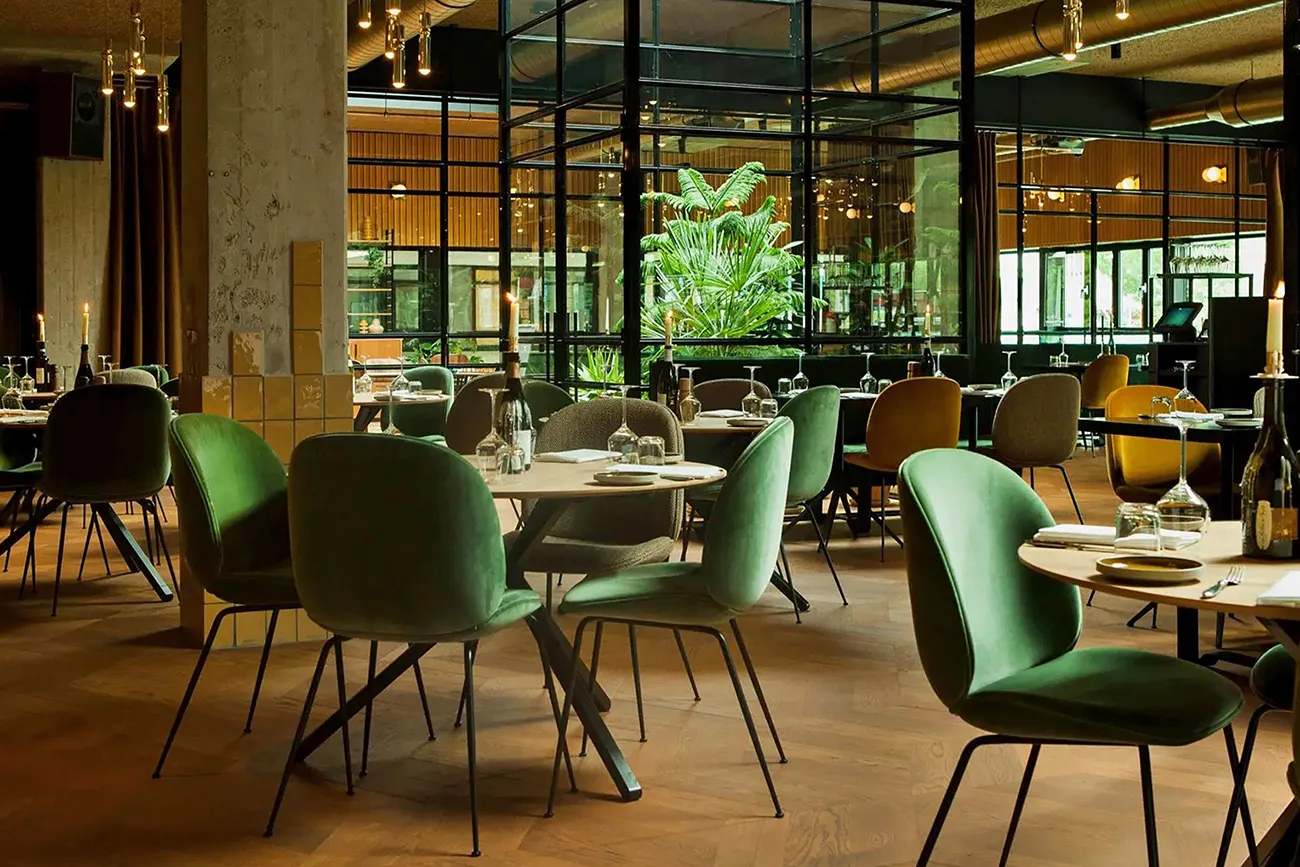
Founded in 2002, Perfotube has grown into a specialist in steel for interior fit-out. The company began by manufacturing perforated tubes for retail interiors. Over the years, its range expanded to include various metal display systems for retail interiors. Today, the company supplies bespoke steel for interior fit-out projects in a range of sectors, including hotels, restaurants, contract interiors and retail. It manufactures metal furniture, furniture components, wall and ceiling decoration, lighting, room dividers and, occasionally, special items such as works of art and design features.
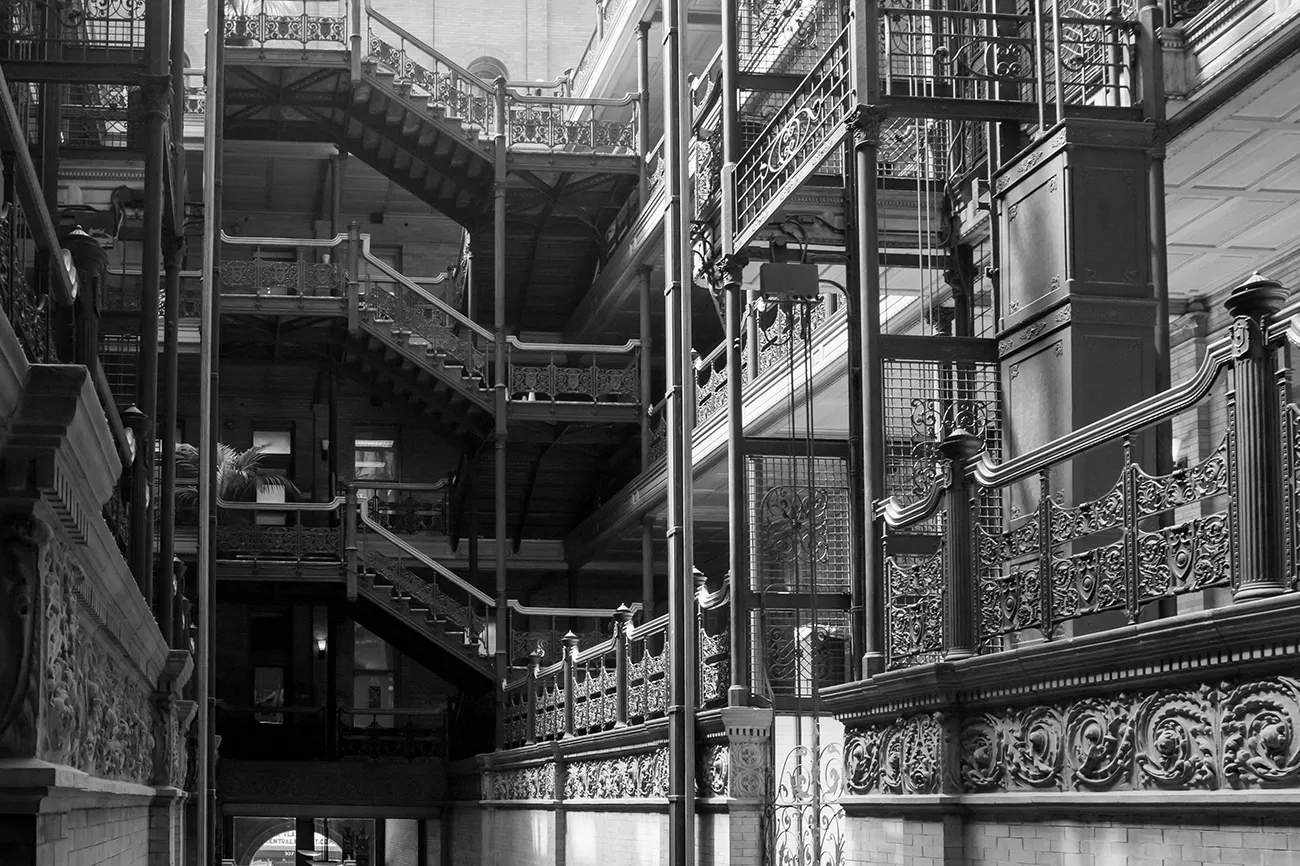
Perfotube has always kept pace with changes in metalworking techniques and trends in metalwork for interior fit-out. The company has become an extension of interior fit-out specialists when it comes to steel, design and engineering. But how has steel developed into a popular choice for interior fit-out?
A brief history
The history of steel in interior fit-out dates back to the nineteenth century. In its early years, steel was used only for the structure of buildings. But with the advent of new technologies and production methods, it became an increasingly popular choice for interior fit-out. In the 1920s and 1930s, steel was increasingly chosen as the basis for furniture, lighting and decoration. This period also saw the rise of the Art Deco style, in which steel was used as a key element in interior design.
In the 1950s and 1960s, demand for steel as a material for doors, windows and stairs increased. Steel products could be given a wider range of finishes as more ways of painting and treating steel were developed. In the 1980s and 1990s, steel was also used more frequently in kitchens and bathrooms. New methods, as well as the influence of fashion, led to steel being combined with other materials such as glass, wood and marble.
Steel today
Today, steel is widely used in interior fit-out and is a popular choice for a broad range of applications, from furniture to lighting, and from concealed solutions to striking focal points. There is growing emphasis on sustainable and environmentally friendly bespoke steel products.
Steel has therefore grown in popularity over the years and continues to play an important role in interior fit-out, both decoratively and structurally. From its use in building structures in the nineteenth century to the present day, when it is used for a wide range of interior applications, steel has developed into a durable and versatile material.
Perfotube, which specialises in steel products for interior fit-out, has responded effectively by supplying bespoke steel for a range of sectors. The company has kept pace with changes in metalworking techniques and trends in metalwork for interior fit-out. The use of steel is expected to continue growing, thanks to its sustainability and versatility, as well as the potential to combine it with other materials to create creative and distinctive interior designs.
A business enquiry for Perfotube? Get in touch
Companies in this story

Keep following this
Get an email when a new story is published. No account needed.
- ThemeFrom sheet materials to construction
- SubjectGeneral
- CompanyPerfotube







