Higher returns without a new machine: how interior fit-out companies can gain ground
Text Tamara BrouwersImage Ardis, Jurgen de Witte
Mass customisation is within reach
“Interior fit-out is under pressure. Costs are rising, margins are under strain and customers are increasingly postponing investment decisions,” says Bern De Lille, CEO of ARDIS. At HoutPro+, the company is showing how interior fit-out companies can streamline production. According to De Lille, the key lies in making smarter use of existing resources rather than continually investing more.
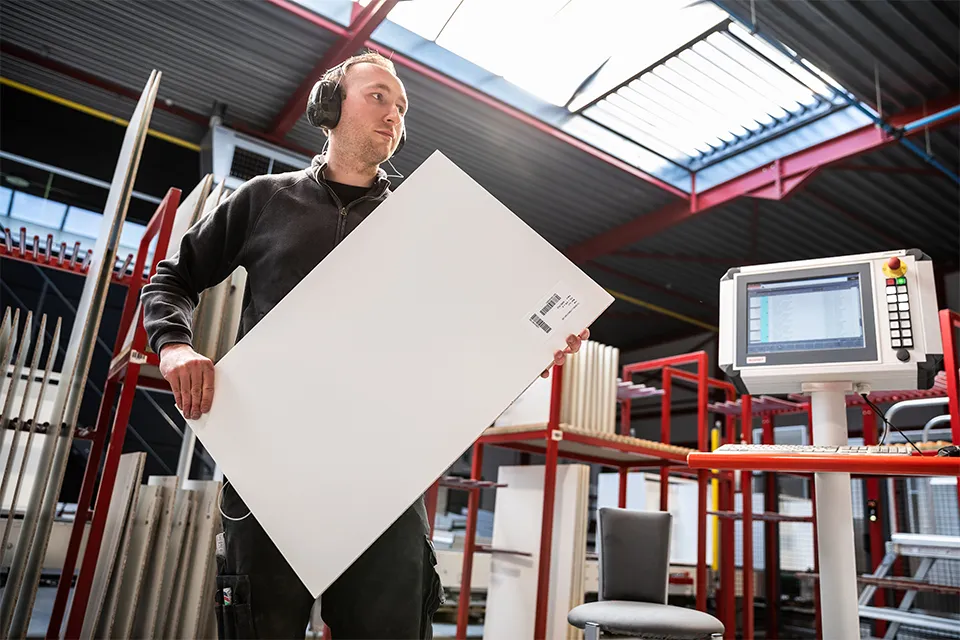
“Demand held up remarkably well during and after the Covid period, but at the same time wages and machine costs rose by 30 to 40 per cent,” says De Lille. “Demand has been cooling noticeably for the past two years. Customers compare more rigorously, negotiate harder and take longer to decide. As a result, interior fit-out companies need to set themselves apart more clearly. Successful businesses commit decisively to specialisation and focus strongly on efficiency.”
Getting machines to work smarter
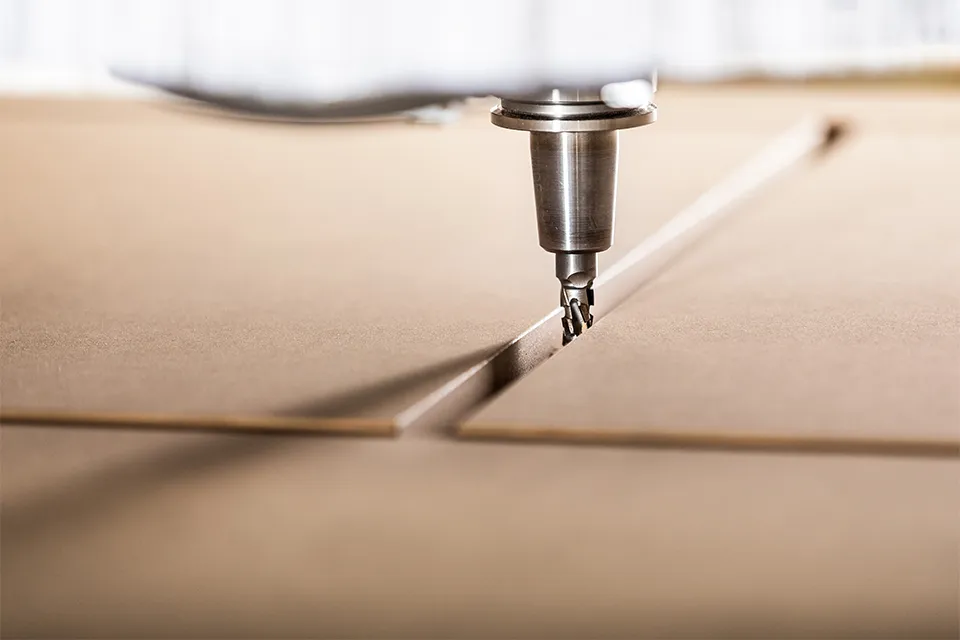
According to De Lille, the biggest gains often come from improving control of the existing machinery. “In sawing and nesting, an optimised algorithm can save up to five per cent of sheet material. With smart nesting techniques such as stay-down, a CNC machine’s output can be up to 20 per cent higher. That may not sound like much, but it can make the difference between investing in a new machine and getting more out of current capacity. One of our customers increased output from 350 to 410 units per shift without any additional investment in machinery.”
From bespoke work to mass customisation
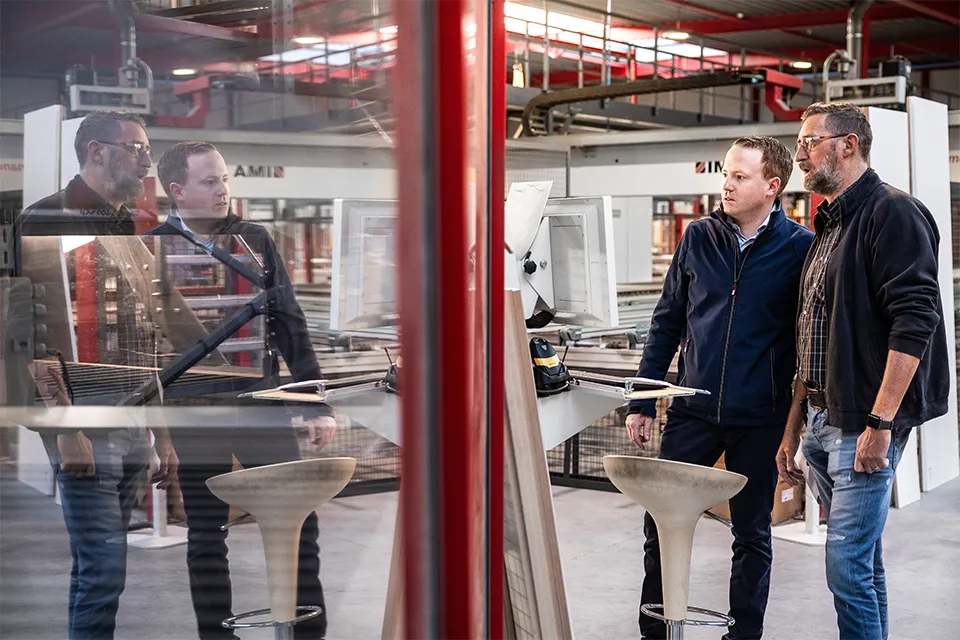
The concept of bespoke work is also changing. Whereas it used to mean high costs and long lead times, customers now expect flexibility and speed at a competitive price. “Thanks to modern software and machinery, mass customisation is becoming a reality,” De Lille explains. “The aim is to deliver bespoke products as if they were mass-produced. This can involve guiding operators with instruction screens, carrying out capacity checks and monitoring KPIs such as OEE and utilisation. In short, it is about the principles of Industry 4.0, where people and machines continuously feed each other data.”
Practical examples include digital instructions that reduce walking time, automatically incorporating unexpected circumstances such as damaged parts, and continuously monitoring performance. “Every 30 minutes saved per machine per day adds up to more than 100 working hours a year.”
Software as a lever
De Lille stresses that software can often provide more leverage than new machinery. “Many businesses underestimate how much more they can get out of their existing machinery. Smarter planning and control can defer investment, or even make it unnecessary. Businesses that invest in integrated systems and smart software today are building a competitive edge.”
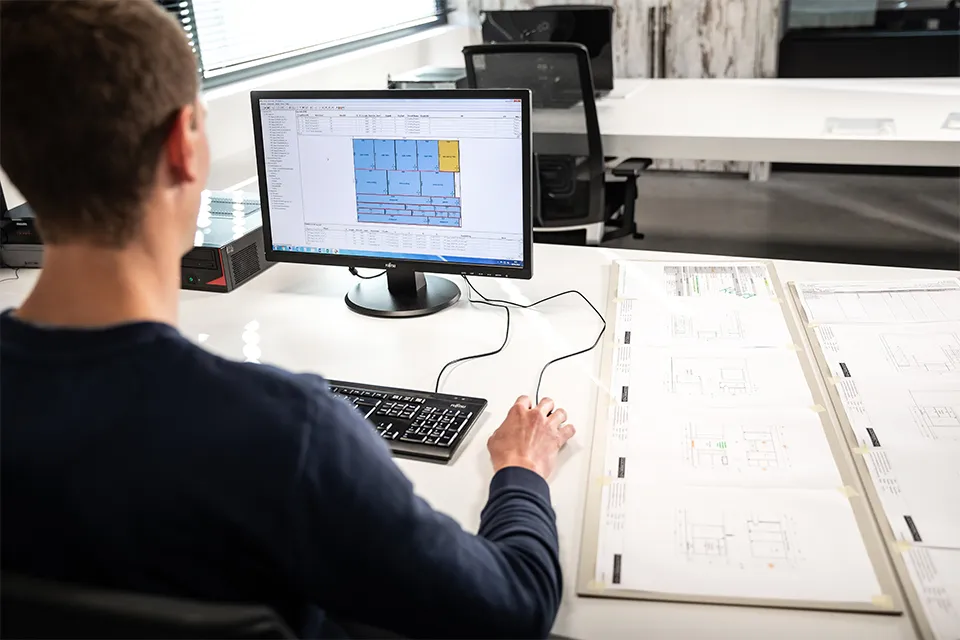
ARDIS is presenting this message at HoutPro+. The company is showcasing its production platform, which enables interior fit-out companies to produce at the lowest possible cost. The message for visitors to the trade fair is clear: efficient production is no longer optional, but a requirement for staying competitive.
HOUTPRO+: STAND 7118
Question about this story? Ask your question
Companies in this story
Keep following this
Get an email when a new story is published. No account needed.
- ThemeRunning an interior fit-out business
- SubjectHoutPro+
- CompanyARDIS