











Interview with the site directors of Hout- en Meubileringscollege
Text Jerry HelmersImage Marjon Hoogervorst, Eva de Jongste
‘Tomorrow’s furniture maker needs to learn to design and make using innovative techniques today’
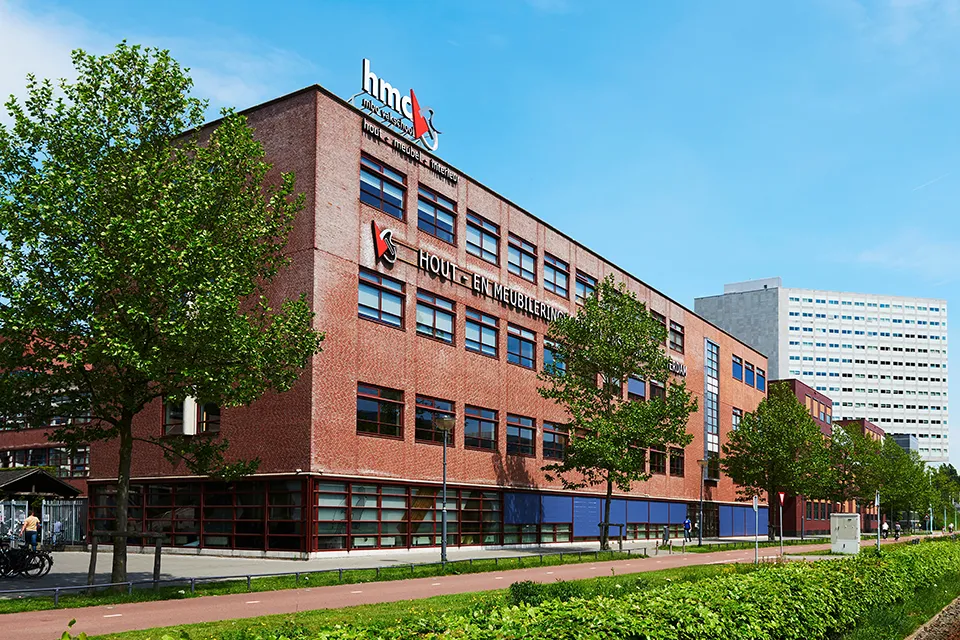
The furniture-making profession is unlikely to disappear any time soon. After all, we will always need furniture! But… of course, things are changing. We spoke to Peter Helderman and Marjolein Hesselink, the site directors of the Amsterdam and Rotterdam campuses of Hout- en Meubileringscollege. “For us, it’s a case of looking ahead,” say the two. “We always anticipate the future, so that our students remain more than relevant in the market.”
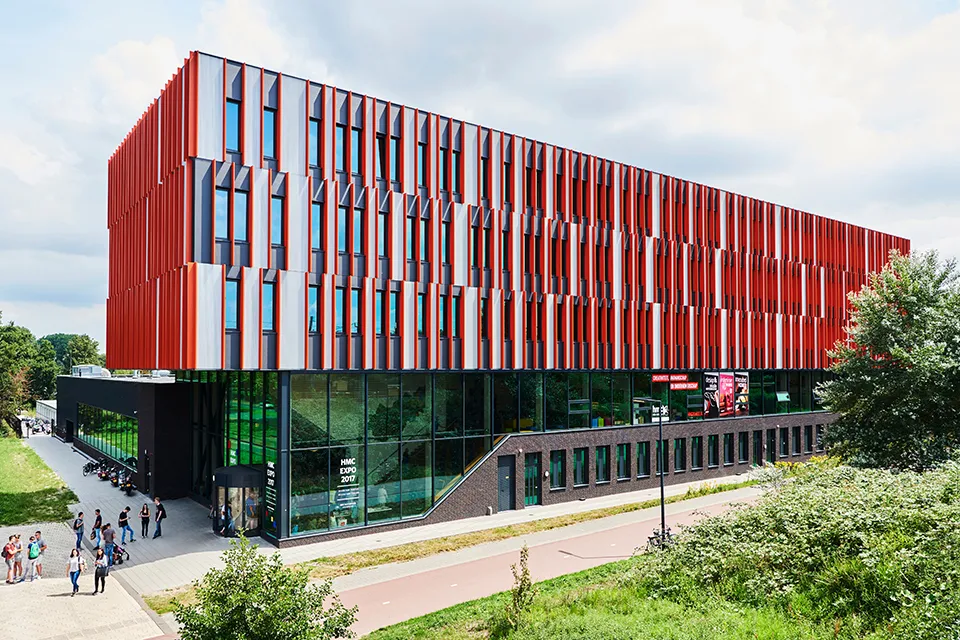
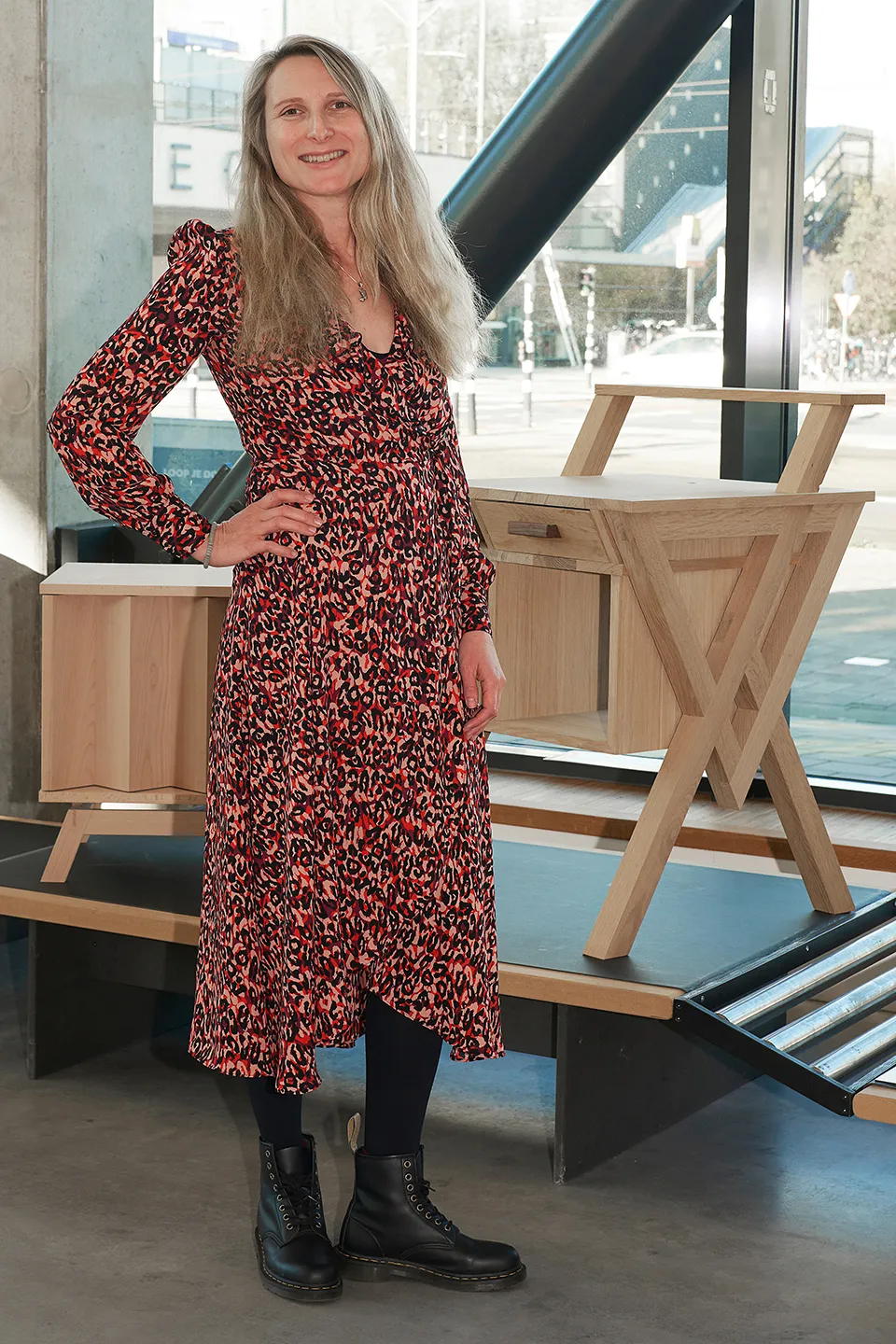
That is no easy task, especially in today’s world, where technological developments are happening faster than ever. Despite these rapid changes, however, the two believe that the creative foundations of the craft will remain. “We cover a broad range of topics with our students, from materials knowledge and technical skills to what to do with waste streams and leftover materials, sustainability, machine knowledge and design skills. The craft side still plays a part, of course, but in recent years a clear industrial dimension has been added,” says Marjolein.
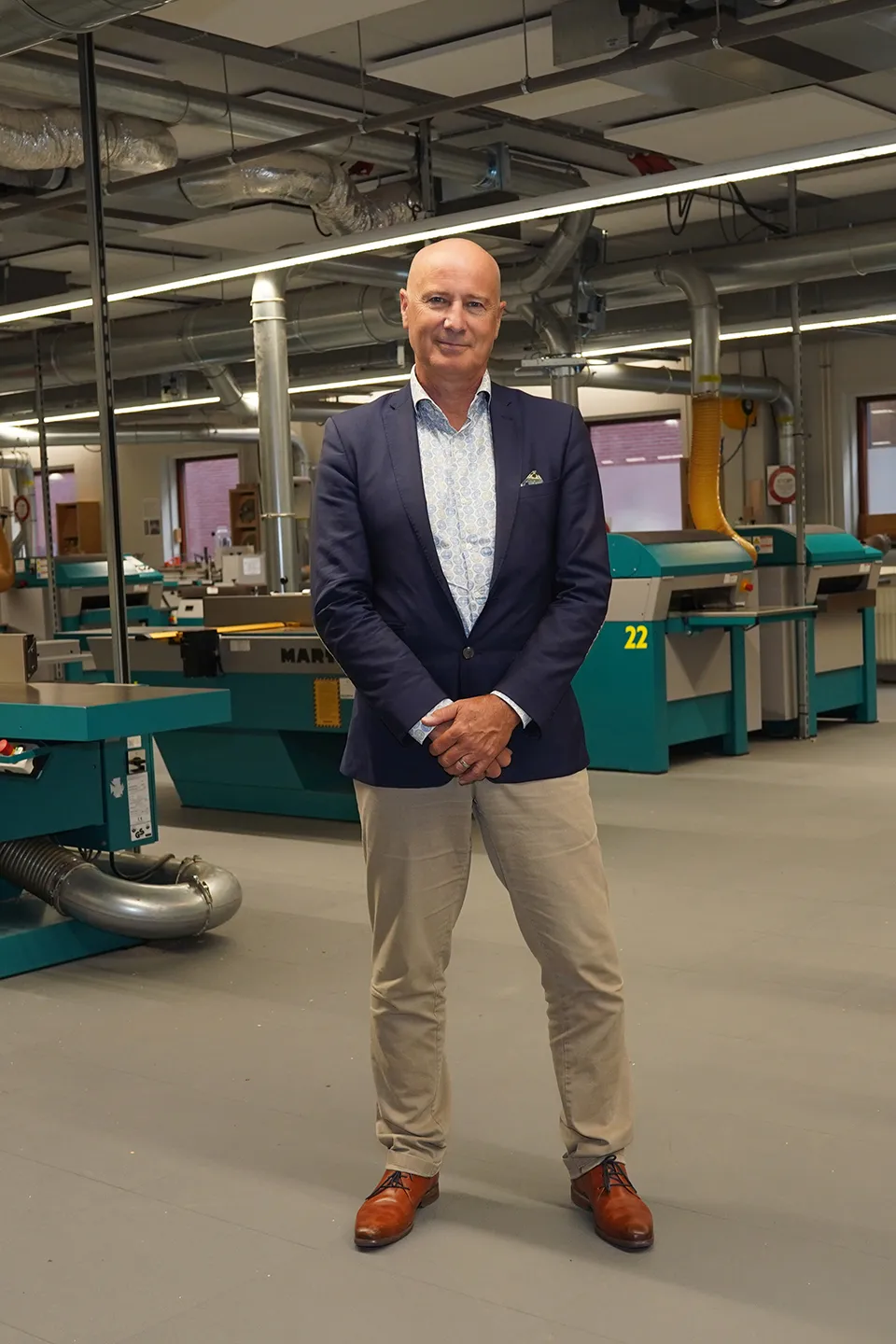
“Looking ahead also means making sure, as a training institute, that you know what the market will look like in a few years, or what is happening,” Peter explains. “For example, our schools had a CNC machine before most furniture makers in the country were using one. That meant we were able to send skilled furniture makers into the market with knowledge of the latest machines. This is also a challenge for our teachers: we need to keep up with current developments. How do we do that? We have, for example, industry advisory committees. We meet a few times a year. We also attend trade fairs and seminars, and visit exhibitions.”
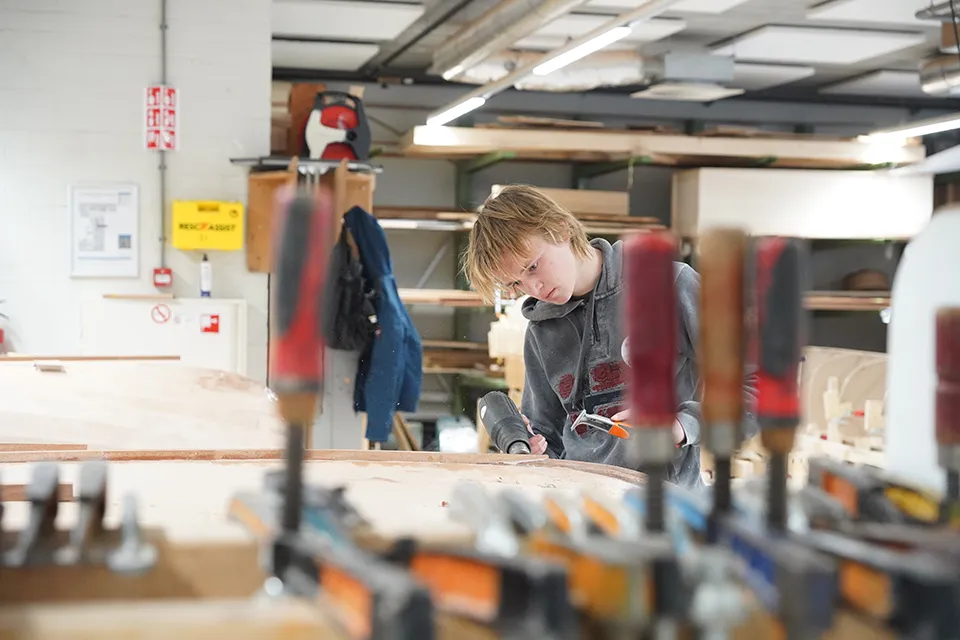
This also raises the question of whether artificial intelligence is already an integral part of the curriculum. Marjolein and Peter shake their heads. “No. We know what it is, and so do the students, but it is not yet clear exactly what it could mean for the profession. We are certainly not afraid of it either. I do see, though, that students often want to keep thinking for themselves during the creative process. I wonder whether they would want to leave those aspects to AI. But, to be fair, at some point, as a professional in the field, you will also need to know how to prompt AI to produce designs. It is still creative thinking, just in a different form.” The two say that an AI workshop is scheduled this autumn for all the school’s teachers. “Indeed, it’s a case of looking ahead.”
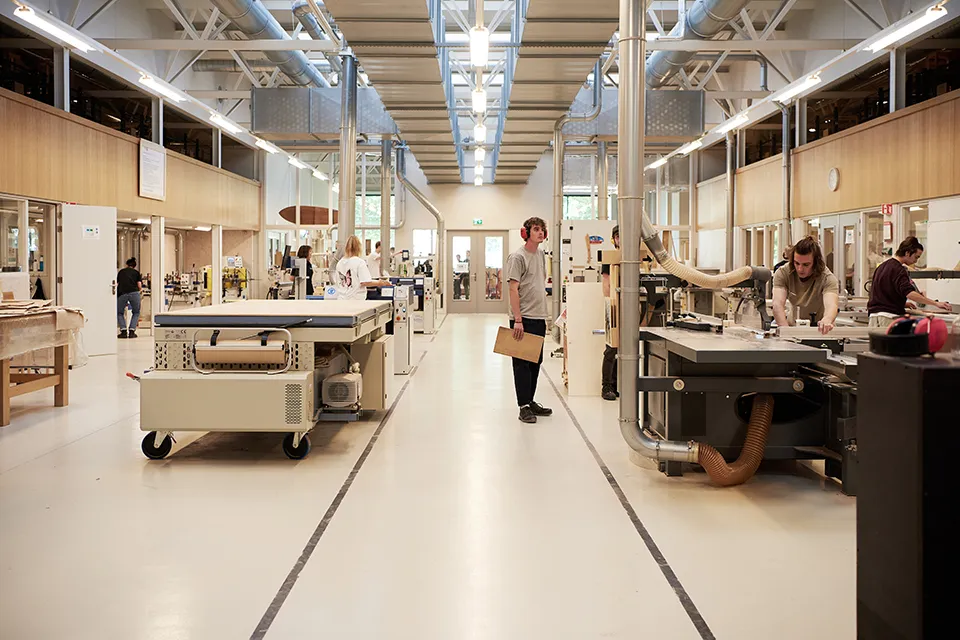
The two do not think it matters whether the profession is still ‘sexy’ enough. “I prefer to talk about its appeal,” says Peter. “When people walk into our school, the smell of wood should greet them like the smell of bread in a bakery. Fortunately, we manage to achieve that. The number of MBO students in the Netherlands is falling overall, with fewer students enrolling, but our numbers remain fairly stable, so proportionally we are still doing well.”
The two site directors therefore do not expect a labour-market shortage of furniture makers. “At the same time, we need to remain vigilant. If there is another major building boom, demand for furniture makers will rise. It is up to us to organise that influx of students as effectively as possible. We are confident we can do so because we keep both the profession and our courses attractive. Whether students become entrepreneurs or go to work for a company, they will remain more than relevant.”
Question about this story? Ask your question
Keep following this
Get an email when a new story is published. No account needed.
- SubjectGeneral







