











Invest in human capital to secure the future of the interior construction industry
Text Eva van OoijenImage BosMti Groep
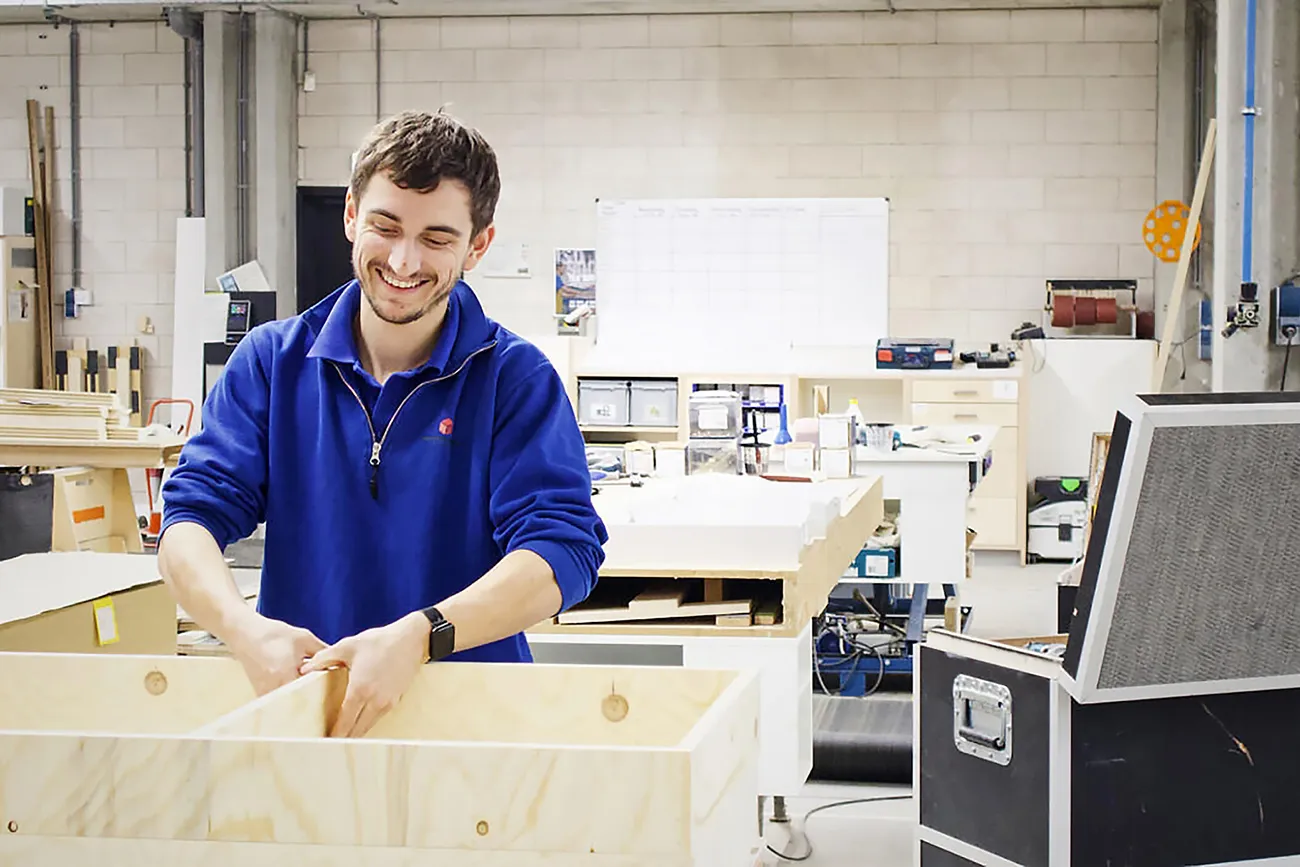
Above all, look for ways to connect education and business
The furniture, interior construction and joinery industries have grown significantly in recent years. With impressive buildings completed, automated workshops in place and advanced software in use, everything seems to be running smoothly. But is this enough to secure the future of businesses? Rien Oerlemans, director of BosMti Groep, a leading industry partnership, stresses the importance of investing in human capital to sustain this growth and meet future challenges.
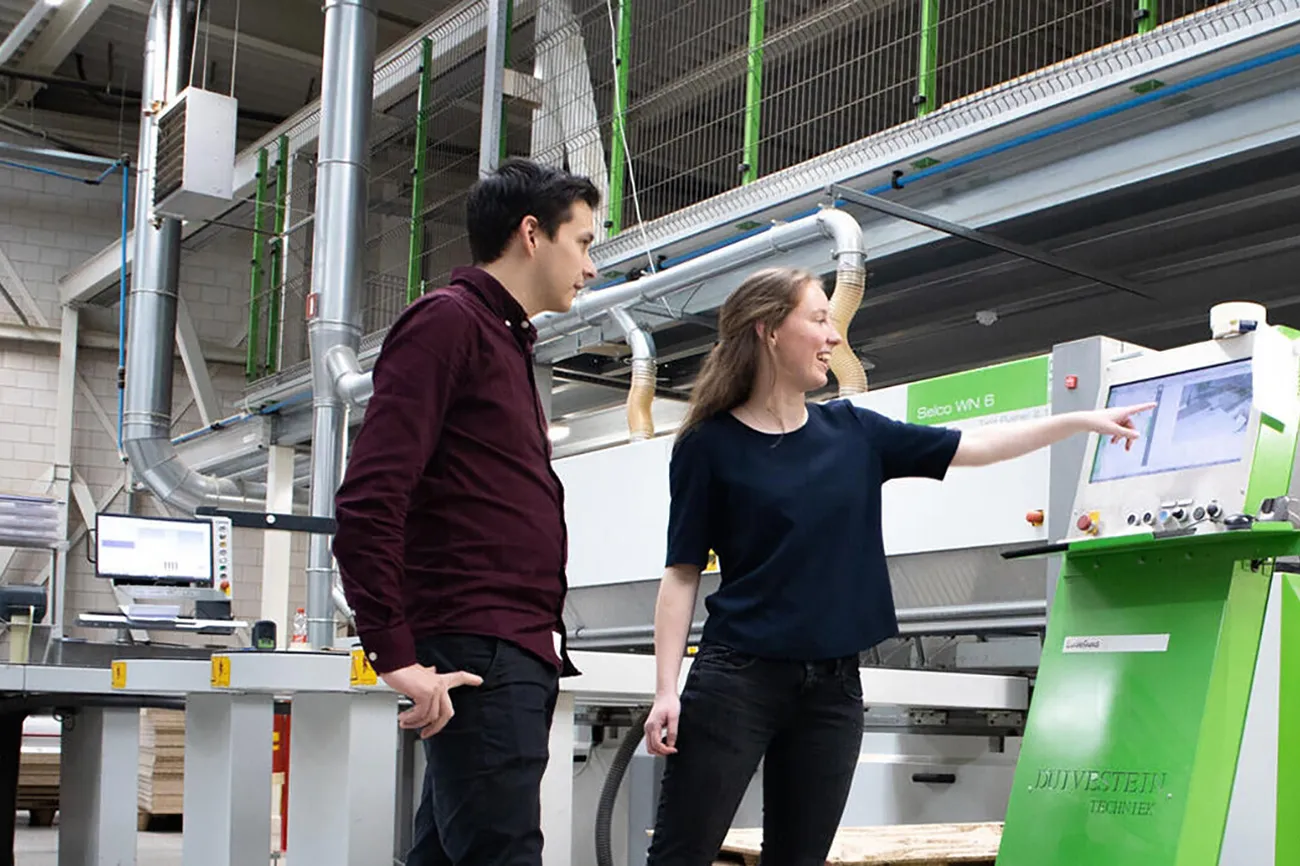
In conversations with businesses, Oerlemans often hears that they have invested in software packages and CNC-controlled machines, which in themselves do not solve the challenges facing the industry. Operating this technology requires qualified, well-trained staff. Investment in human capital is therefore essential. It is the only way to ensure a skilled workforce able to keep pace with the latest technological developments.
The importance of human capital
“Skilled tradespeople do not simply emerge from the classroom,” says Oerlemans. “They need to be trained on the job, which takes time, money and energy. What’s more, today’s generation of young people is different from previous generations. Part-time work, sabbaticals and taking parental leave are now the norm, and as an industry we need to adapt to these changes. It is essential to learn from younger generations and consider how best to respond to their needs and expectations. Career changers are a promising source of talent: people with experience in other fields who are interested in the interior construction industry. It is crucial for businesses to invest in them and provide the necessary training and guidance.”
Partnership between education and business
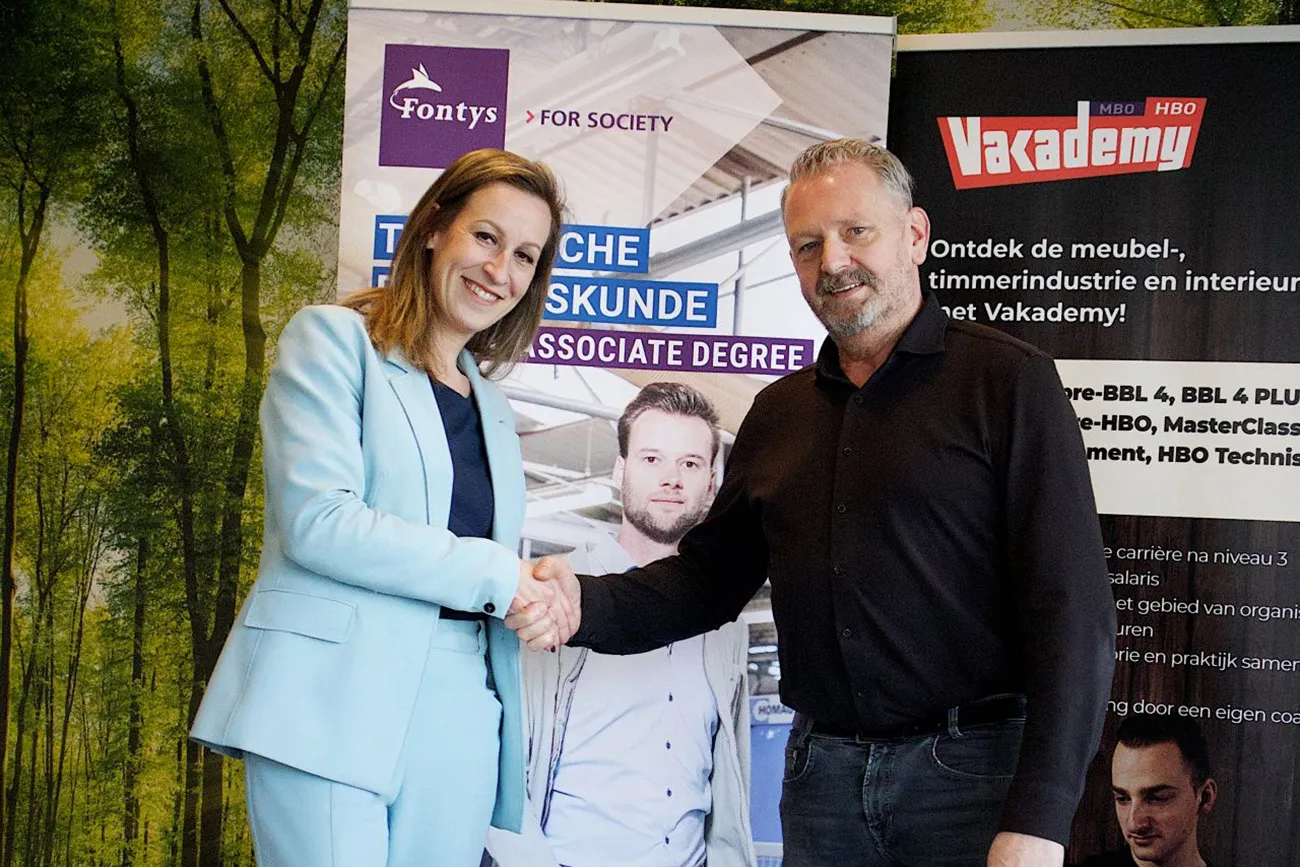
“One notable challenge in business is the gap between education and the business world,” says Oerlemans. “Despite their different DNA, the two are inextricably linked and need to work together to succeed. The same applies to businesses: we are all fishing in the same talent pool. That is why BosMti Groep, a collective training company for the furniture, joinery and interior construction industries, was founded 34 years ago. It was set up by businesses that recognised the shortage of qualified staff and decided to work together rather than poach one another’s employees. Initially, the focus was on increasing the number of entrants to the industry; later, greater emphasis was also placed on improving quality. Trainees receive additional trade knowledge alongside their regular training.”
Keep staff up to date
“As well as addressing the shortage of skilled workers, it is important to invest in the ongoing development of existing employees,” Oerlemans continues. “Technological advances and changing market demands mean that employees need to keep learning new skills and adapting. Through training courses, workshops and further education, businesses can keep their staff up to date and give them opportunities to progress within the organisation.”
Developing soft skills
Alongside the development of technical skills, Oerlemans says it is also important to focus on employees’ soft skills. “Communication, collaboration, problem-solving and creativity are essential qualities in the interior construction industry. By fostering a positive workplace culture and offering personal development training, businesses can make the most of their employees’ potential.”
Finally, Oerlemans stresses that investing in human capital, including training, guidance and the development of technical and soft skills, is essential to the future of the interior construction industry and the success of businesses in the sector.
Question about this story? Ask your question
Keep following this
Get an email when a new story is published. No account needed.
- SubjectGeneral







