











Keep BBL subsidy in place beyond 2023
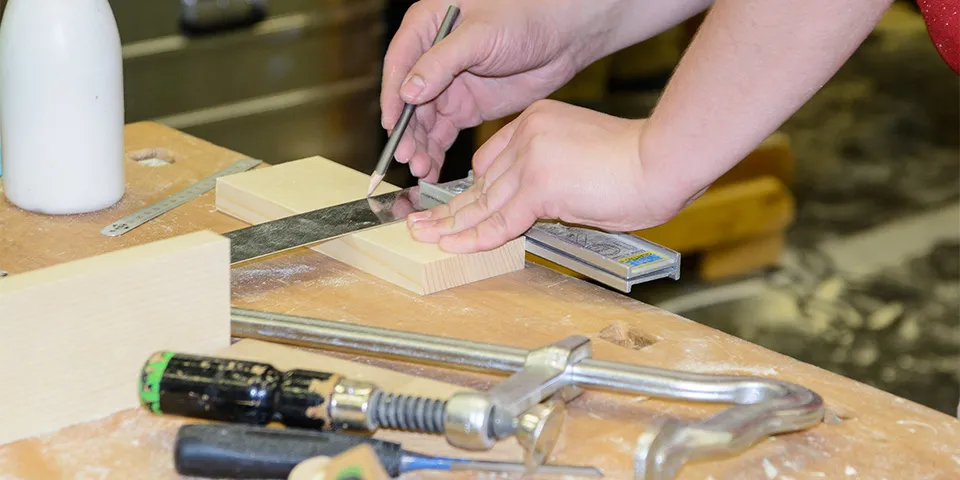
BBL training delivers significant social value to the Dutch economy. Research shows that the net social benefit of BBL training amounts to 1.4 billion euros a year. Koninklijke CBM is making an urgent appeal to the government and political parties, which will soon be drawing up their election manifestos: “Keep the BBL subsidy for our SME businesses in place beyond 2023.” CBM is also calling for an increase in the subsidy per student. “This will encourage SME businesses to train more skilled workers in-house.”
Planned “BBL until 2023” cuts scrapped
In 2018, the government planned major cuts to the BBL subsidy for work-based learning. Following a joint lobbying effort by employers’ organisations, including CBM, the plan was scrapped in September 2018. The government decided to continue the BBL subsidy until 2023, but gave no guarantee for the period beyond that. Following this provisional lobbying success, joint employers’ organisations, including CBM, commissioned research into the social costs and benefits of BBL training (see appendix).
Government receives the greatest benefits from BBL
The research shows that BBL training delivers significant social value to the Netherlands. The net social benefit amounts to 1.4 billion euros a year. On balance, the government receives the greatest benefits from BBL training, at 962 million euros. The net benefit for BBL students is 308 million euros, while the net benefit for businesses is 124 million euros. By comparison, the benefit to the government is more than 7.5 times greater than that to businesses. “With a positive net benefit of 1.4 billion euros a year, abolishing the work-based learning subsidy scheme would be highly unwise. All parties benefit, and the government most of all.”
BBL: the vocational training route for SMEs
The concept of “learning while working” is also very important for SME businesses. Students who are no longer motivated by full-time study at school can successfully earn a vocational qualification in a business. They learn their trade on the job, earn a salary, contribute to production and build a rewarding career in the furniture industry, while also paying tax. Many sectors have active policies to encourage and facilitate BBL for employers and employees. CBM, for example, has set up partnerships where students take BBL courses at participating businesses. CBM employs the students and works closely with our furniture college, HMC (Hout- en Meubileringscollege), and the various ROC colleges across the country. Businesses also receive a subsidy from Expertisecentrum Meubel, while students are provided with a toolbox, specialist workwear and course materials.
BBL supports students’ career prospects
The research shows that BBL students are less likely to be unemployed and find work more quickly, often at the business where they trained. They also tend to earn higher wages and have higher labour productivity than students in full-time education. The government receives higher revenues from these working students in the form of income tax, social security contributions and corporation tax, while incurring lower costs for student finance and benefits. BBL students are less likely to claim benefits and are also less likely to appear in crime statistics.
Learning while working supports sustainable employability
The concept of learning while working benefits not only students at the start of their careers, but also employees who want to continue learning and progress during their working lives. Learning while working provides a foundation for lifelong development and for retraining, reskilling and upskilling in the workplace. It offers employees excellent opportunities to continue developing throughout their working lives, helping them to remain sustainably employable.
The results of the research were presented on Tuesday 10 September at Perscentrum Nieuwspoort in The Hague.
Question about this story? Ask your question
Keep following this
Get an email when a new story is published. No account needed.
- SubjectGeneral







