











Lacquer manufacturer Hesse Lignal to replace all solvent-based products with more sustainable alternatives by 2030
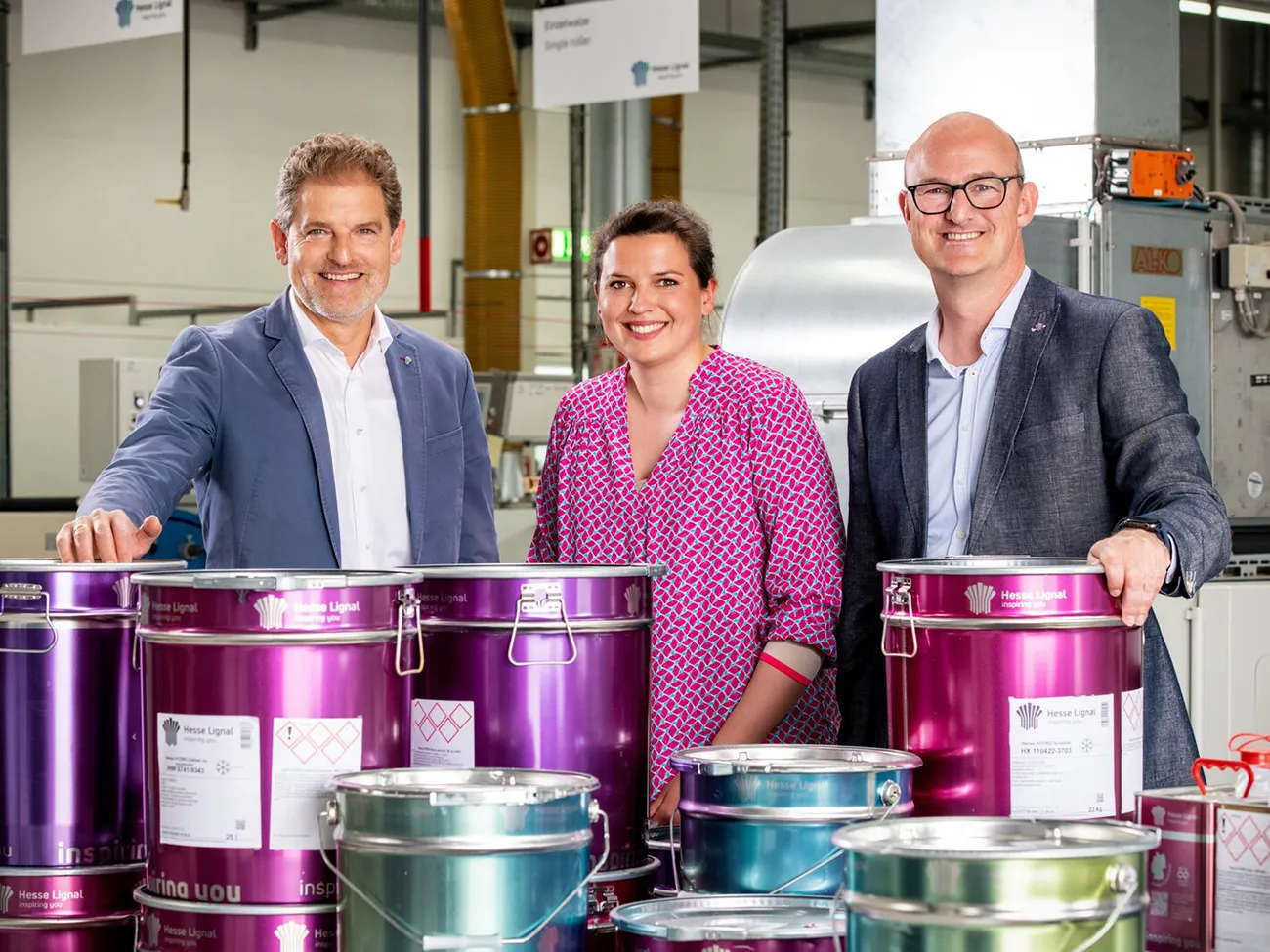
Hesse Lignal is ushering in a new era. The surface specialist from Hamm, Germany, will replace all its solvent-based products with more sustainable alternatives by 2030. In future, Hesse Lignal will also increasingly rely on regenerative raw materials.
A sustainability strategy spanning generations
“As a family business, we see it as our duty to take responsibility for future generations,” says Jens Hesse, managing director of lacquer and stain manufacturer Hesse Lignal. “That is why we want to take decisive action now and help preserve a world worth living in for our children and grandchildren.” Driven by this conviction, he and fellow managing director Hans J. Hesse have decided to develop a new sustainability strategy. The aim is to replace all solvent-based products with sustainable alternatives by 2030.
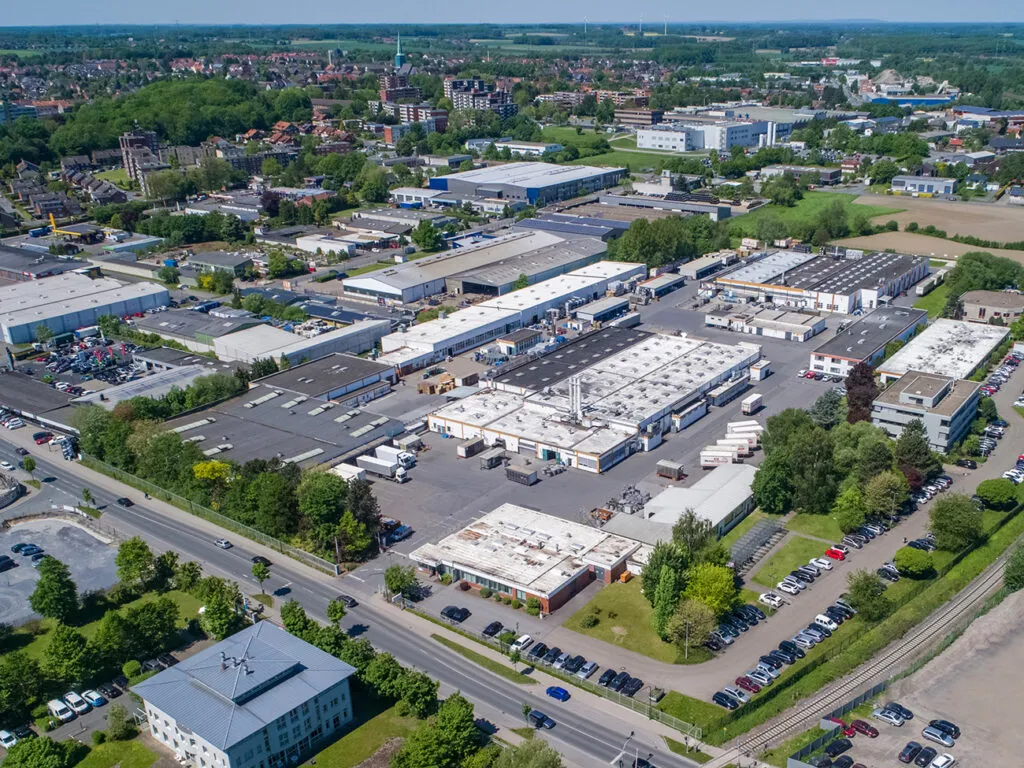
Cutting VOC emissions and increasing the share of sustainable raw materials
Among other things, this should make it possible to minimise emissions of volatile organic compounds (VOCs). VOCs, which are present in many solvents, evaporate even at low temperatures and form ground-level ozone when exposed to UV radiation. Volatile organic compounds can also be washed out of the air by precipitation. They then settle on the ground, placing a burden on the soil. In addition, VOCs from fossil sources oxidise in the atmosphere when they come into contact with oxygen, producing climate-damaging CO2. When VOCs evaporate indoors, they also pollute the ambient air. This can irritate the respiratory tracts of people in the room and cause allergies.
The surface specialist from Hamm will also offer an increasing number of products made from regenerative raw materials, such as water, or renewable raw materials. Its product range already includes products containing up to 30 per cent bio-based renewable carbon (BRC), as well as water-based lacquers with a renewable content of around 10 per cent. By 2030, the share of sustainable raw materials across the entire product portfolio is to be increased to conserve resources.
Meeting future market requirements
“The shift to more climate-friendly products is also important for meeting future market requirements,” says Jens Hesse. “As environmental awareness grows in society, and younger generations in particular place importance on climate-friendly production methods, sustainability is becoming a decisive competitive factor for our industrial and trade customers.” Switching to more sustainable products also protects employees from exposure to substances that are hazardous to health.
Nitrocellulose lacquer production to end in 2023
To achieve its targets, Hesse Lignal’s research department is working on developing modern lacquer systems. The company has set itself a tight schedule: by the end of 2023, Hesse Lignal will remove all nitrocellulose lacquers, solvent-based stains and solvent-based acid-curing lacquers from its range. This means Hesse Lignal will no longer offer these products from January 2024. By 2030, all other products with high VOC content will also have been replaced by more climate-friendly alternatives.
To give lacquer-processing businesses time to prepare, the company’s installation and technical advice departments are already helping customers adapt their machinery and processes.
“We are aware that this is a major step,” says Jens Hesse. “But we are also convinced that this measure is absolutely necessary if we are not to jeopardise the future of coming generations.”
Have a business enquiry for Hesse Benelux? Get in touch
Companies in this story
Keep following this
Get an email when a new story is published. No account needed.
- ThemeDecorative and protective surfaces
- SubjectGeneral
- CompanyHesse Benelux







