











Marmoleum creates a super-healthy indoor environment
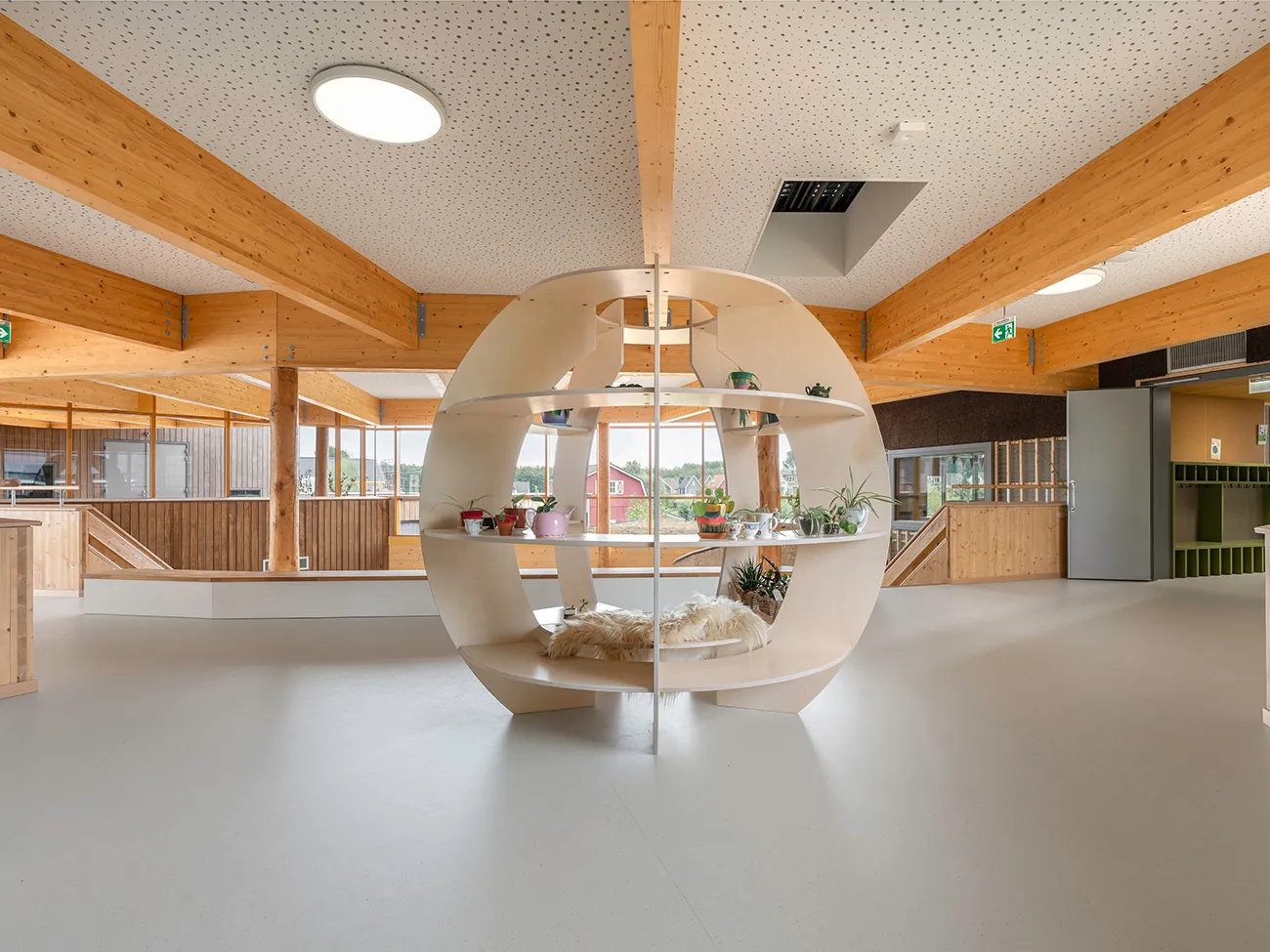
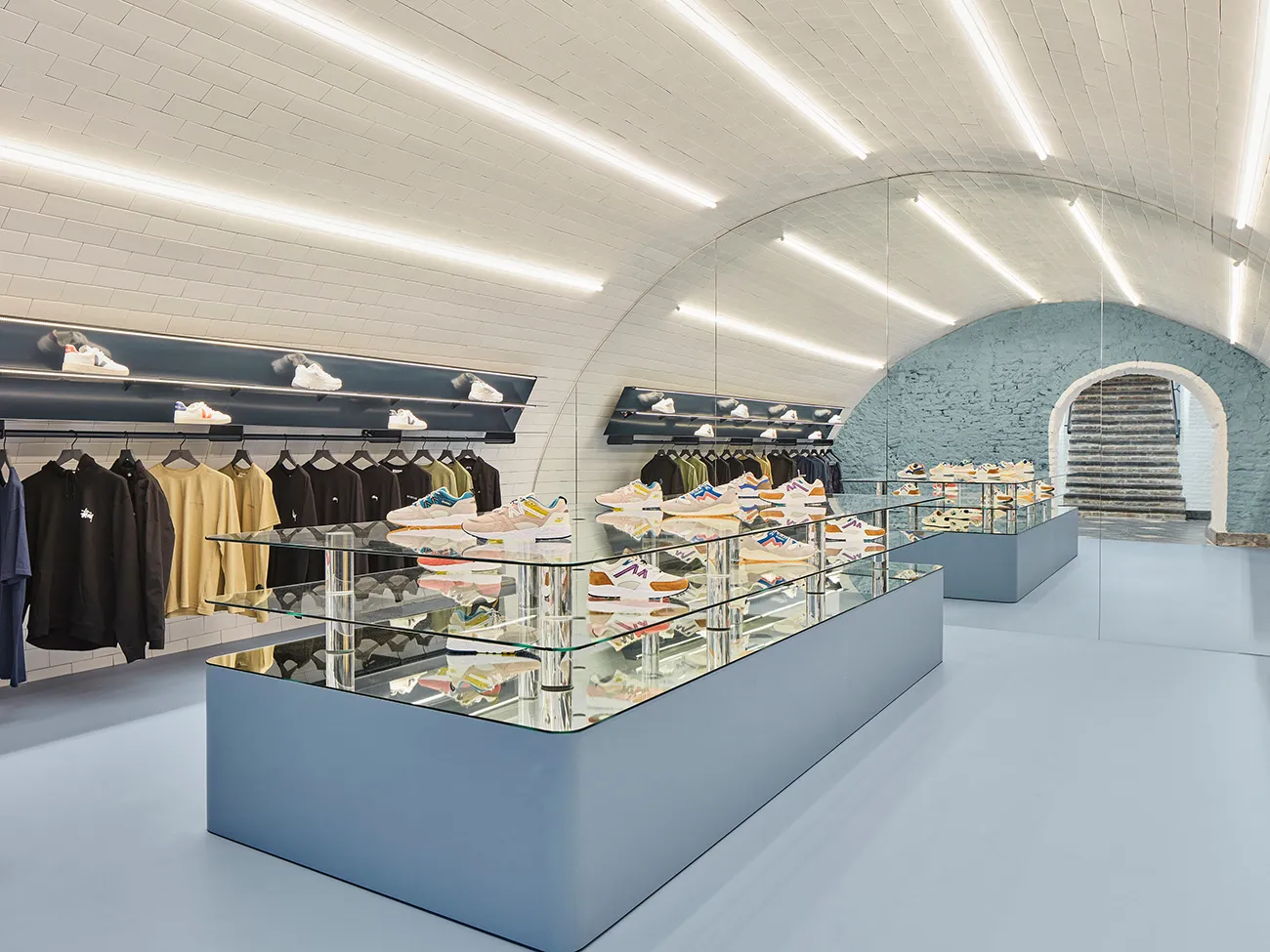
Marmoleum by Forbo Flooring is not only one of the most sustainable floors in the world, made from pure, natural and renewable raw materials, but also one of the healthiest. In short, the flooring helps create a safe, clean, responsible and hygienic indoor environment.
Antibacterial, mould-resistant, hypoallergenic and free from plasticisers
Marmoleum is naturally antibacterial and mould-resistant. This is due in part to the resin used in its production. When a tree is damaged, resin helps protect it from bacterial invaders. Resin has a similar effect on a Marmoleum floor. This natural bacteriological property is one reason why Marmoleum is widely used in hospitals and schools.
UK Allergy Seal of Approval
The product is also hypoallergenic, which means Marmoleum cannot cause allergic reactions. This property earned Marmoleum the ‘UK Allergy Seal of Approval’ from the respected British Allergy Foundation. This makes the flooring safe for children with asthma, for example, as well as people with other allergic conditions.
This is due in part to Marmoleum’s smooth surface, with no grooves or uneven areas where dirt can easily collect. This makes the material very easy to keep clean. Cleaning the floor with responsible, biodegradable cleaning products also avoids harming the environment.
Zero to very low emissions
Marmoleum also has zero to very low emissions of volatile organic compounds (VOCs). This means that few, if any, fine particles, also known as particulate matter, are released after installation. Marmoleum comfortably exceeds all European Union health and safety standards (EN 14041, REACH). The floors are also WELL-certified. WELL is a certification for healthy buildings that promote wellbeing.
It is also worth noting that Marmoleum is antistatic because it is a natural product, unlike floors made from plastic. Marmoleum also contains no plasticisers, some of which, including potentially harmful varieties, are still used in cheap vinyl flooring from abroad.
Climate contribution and circularity
A Marmoleum floor also helps make the world a healthier place. It is produced with a negative carbon footprint. The natural crops, plants and trees used to make the floor absorb more CO2 over their lifetime through photosynthesis than is needed to produce it.
Marmoleum is made from natural materials such as jute, flax, resin, wood flour and limestone. Of these, 72 per cent are rapidly renewable and 43 per cent is recycled content. After a service life of around thirty years, Marmoleum can easily be ground up and reused. Even when incinerated, it yields a higher calorific value and more thermal energy than the energy used during production. This closes the loop completely. In addition, Forbo Flooring takes back old flooring waste as part of its efforts to make Marmoleum fully circular.
Environmental Product Declaration
To demonstrate the environmental credentials of its products, Forbo has produced an Environmental Product Declaration (EPD) for all its floors. This transparent declaration, verified by an independent party, covers the entire process from raw material to waste, including the environmental impact of sourcing and extracting raw materials, energy consumption and efficiency, material and chemical content, emissions to air, soil and water, and waste generation.
Question about this story? Ask your question
Keep following this
Get an email when a new story is published. No account needed.
- ThemeFlooring and atmospheric spaces
- SubjectGeneral







