Efficient production requires up-to-date information on the shop floor
Text Tamara BrouwersImage Borm Nederland
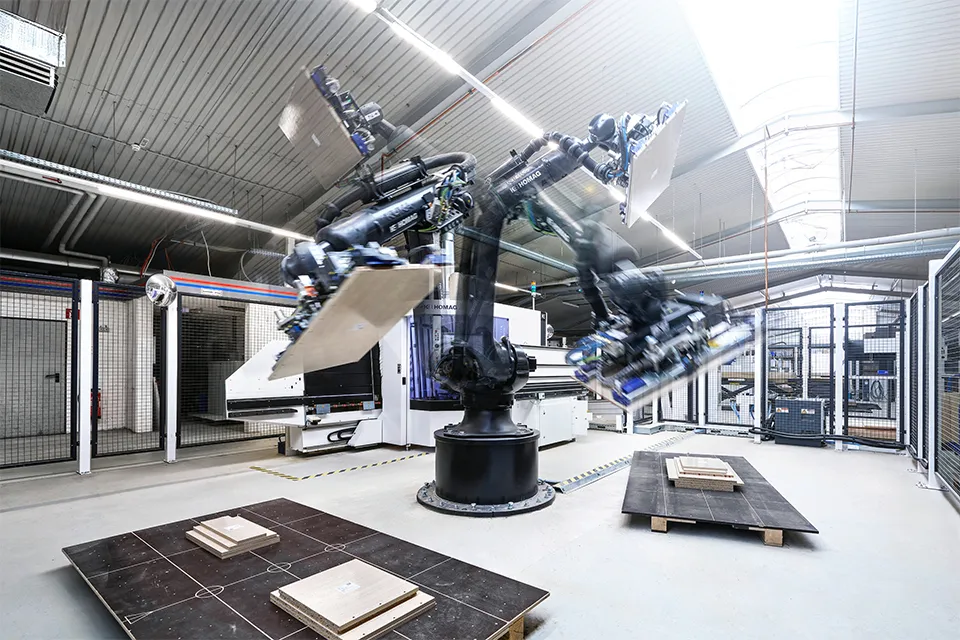
One system, less process noise
The tension in many interior construction projects lies not in the design or execution, but in the handover between them. Information changes, but does not always reach the shop floor in time. In companies using multiple systems, data has to be re-entered, checked or supplemented every time. “With all the risks that entails,” says Michel Koelewijn, project manager at BORM. “Sometimes a drawing is already in the workshop when it still needs to be amended. If you have to keep track of and pass on information manually, that’s where things go wrong.”
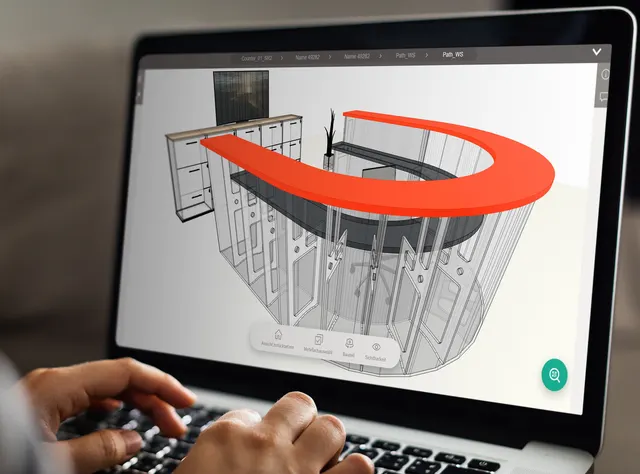
According to the software supplier, the solution is increasingly seen in bringing processes together in a single system. Design, costing, work preparation, planning and production then connect directly, so information no longer needs to be transferred between systems. Changes are processed automatically and are visible to everyone, including on the shop floor.
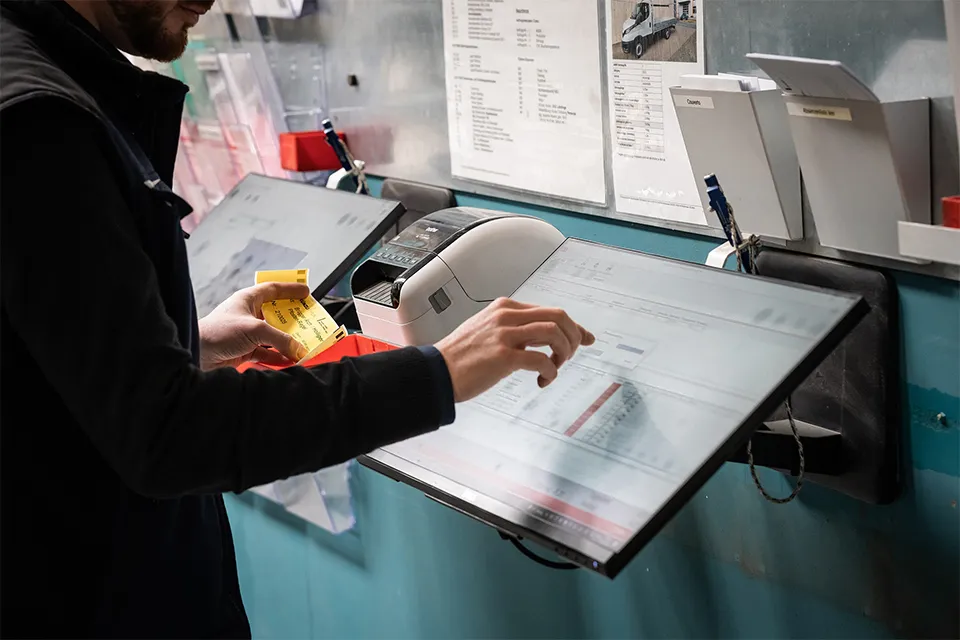
This also changes the role of ERP. Previously, the system was used mainly for administration and post-calculation, but it is now used to make adjustments during the process. Information on hours, costs, progress and planning is continuously available, enabling companies to respond more quickly to deviations. Koelewijn says: “You can see during the project whether your hours and costs are getting out of line. You can then intervene and avoid surprises later on, both for the company and the customer.”
External factors, such as material delivery dates, are also incorporated directly into the planning. This makes bottlenecks visible earlier, allowing companies to adjust their planning where necessary. Decisions are also made on the basis of up-to-date data, without additional checks.
Changes to working practices
Introducing this kind of integrated way of working affects the whole organisation, from the workshop to administration and sales. It requires changes and can meet with resistance, particularly among employees who are used to following their own way of working. BORM says this is a familiar pattern.
In these projects, BORM therefore supports interior construction companies in redesigning their processes, with a focus on training and bringing employees on board step by step. “It’s not just new software, it’s a different way of working,” says Koelewijn. Companies need to learn to trust the information in the system and align their work processes with it.
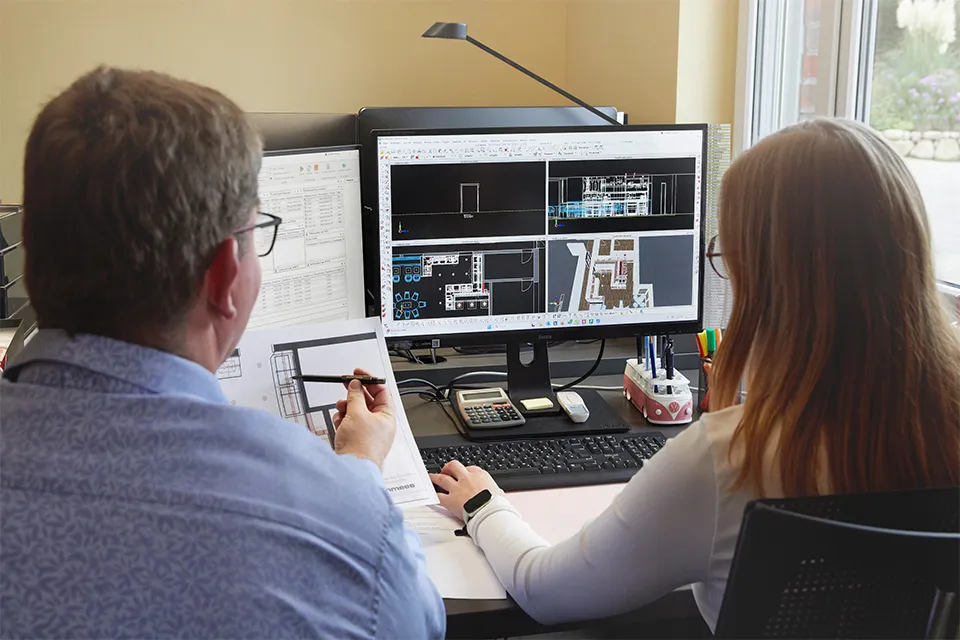
The need to digitise processes grows as companies expand. Smaller businesses can still rely on close communication and a clear overview, but this becomes more difficult once several people are working on projects at the same time. “Once you have around ten people, it really becomes necessary. Otherwise, people are busy looking for the right information instead of being productive.”
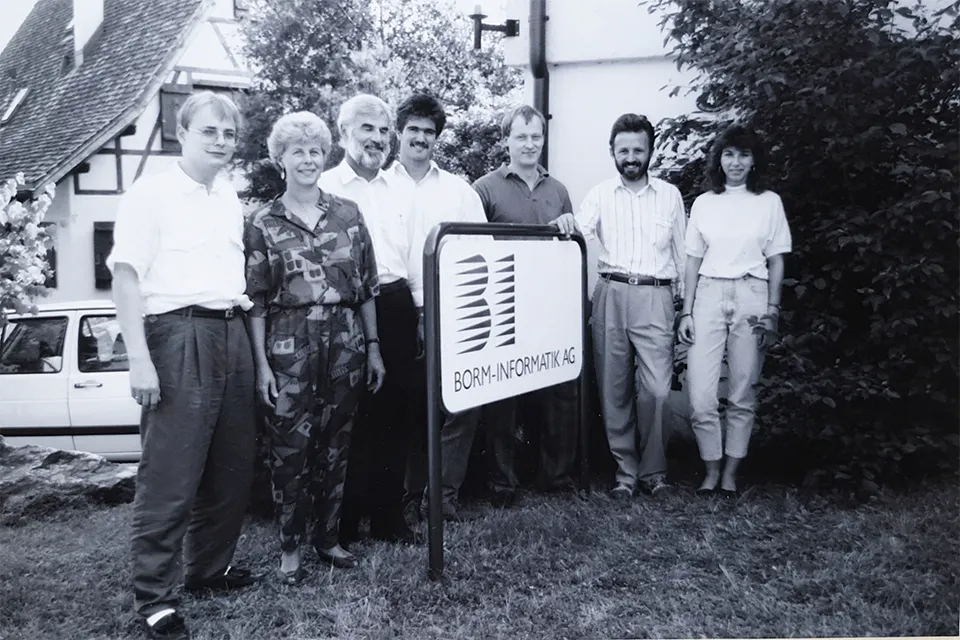
The fact that BORM’s Swiss parent organisation is celebrating its fiftieth anniversary this year underlines the company’s continuity. A new generation has taken over the reins and is continuing its course towards further digitisation of interior construction.
A business enquiry for BORM Nederland? Get in touch
Companies in this story
Keep following this
Get an email when a new story is published. No account needed.
- SubjectSoftware & digitalisation
- CompanyBORM Nederland