Software as the silent force behind interior construction
Text Christobal van Leeuwen

Digital tools drive design, production and planning
Interior construction is changing at breakneck speed. Where craftsmanship traditionally revolved around materials, machinery and manual work, software is increasingly coming to the fore. Not as a replacement for the craft, but as a way to enhance it. From design through to production and installation, digital tools are increasingly forming the backbone of efficient, error-free projects.
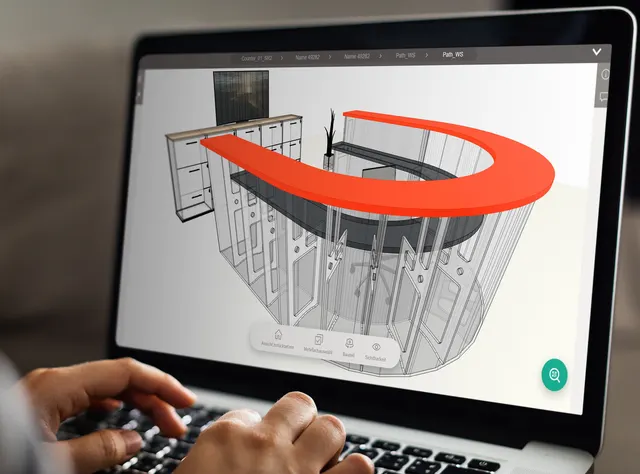
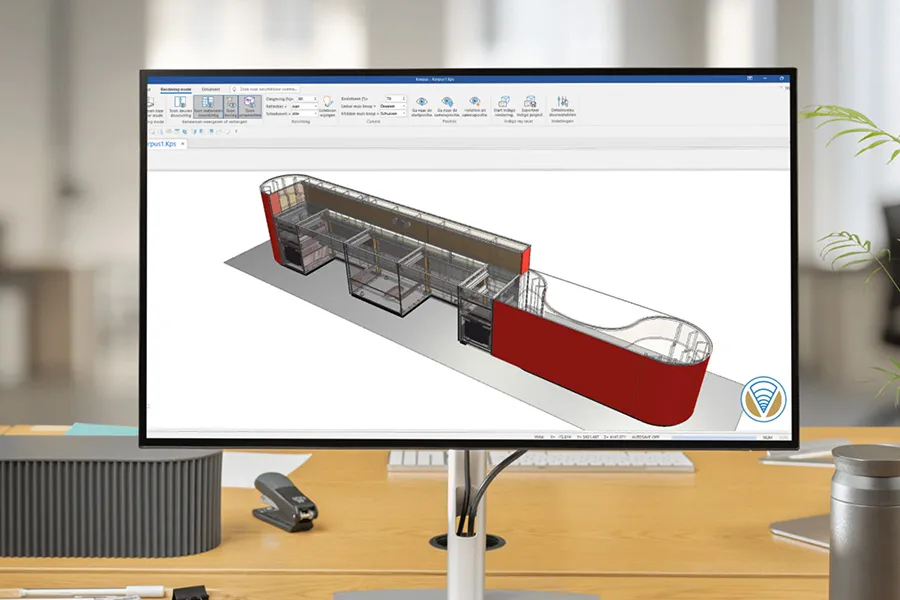
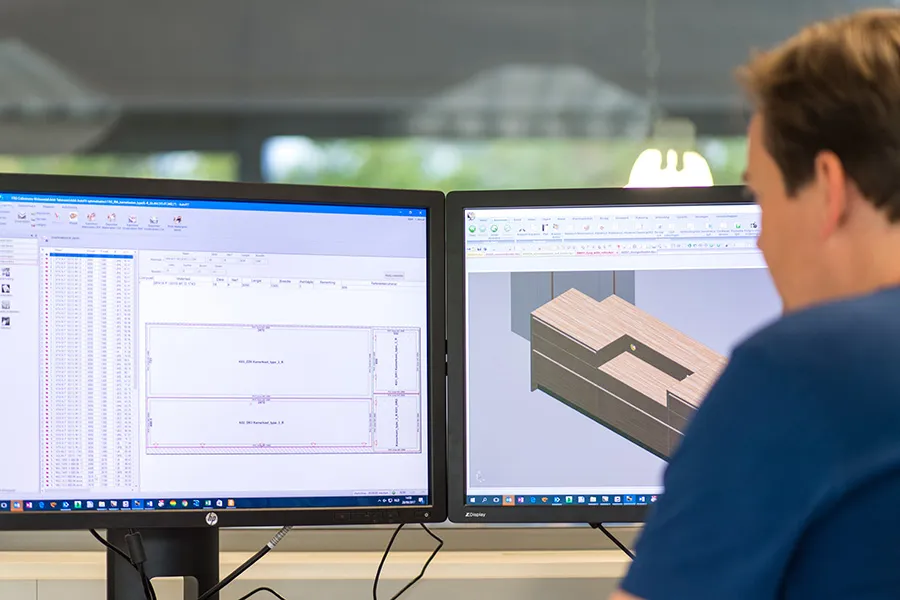
Where designs once began with pencil and paper, the process is now largely digital. CAD and BIM software make it possible not only to develop designs visually, but also to translate them directly into production data. This means fewer differences in interpretation and shorter lead times.
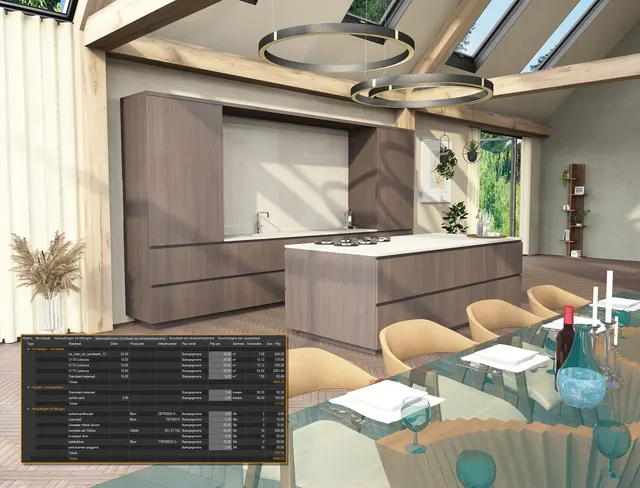
One notable shift is from standalone software packages to integrated platforms. Design, costing, production preparation and manufacturing are increasingly brought together in a single environment. This creates a streamlined workflow in which data does not have to be entered repeatedly. That saves time and prevents errors.
Connected to the shop floor
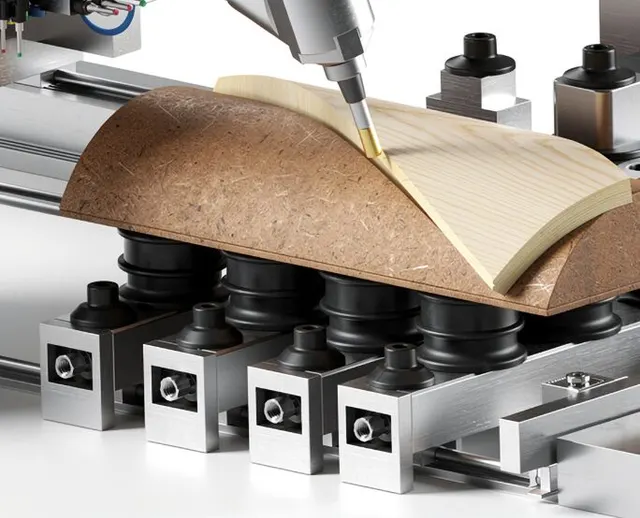
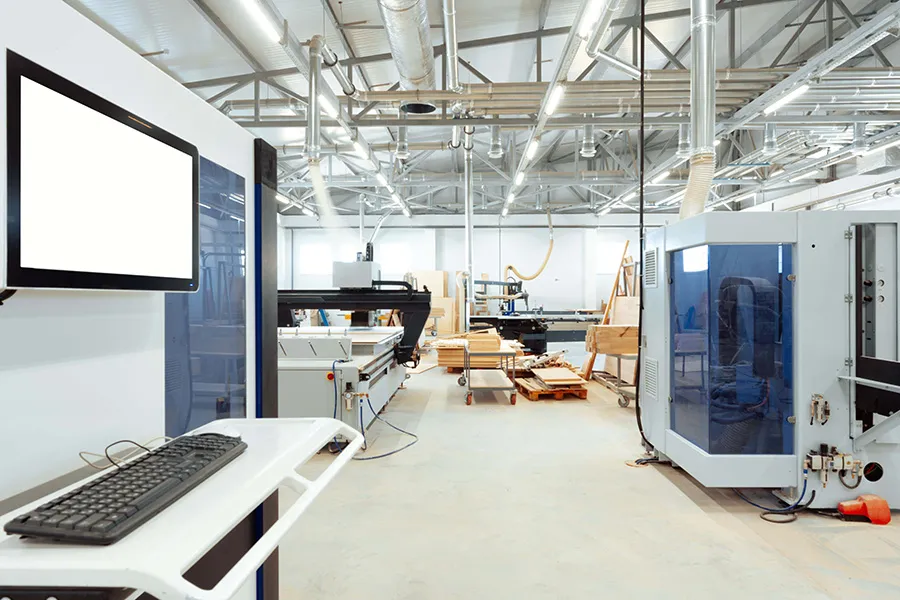
The real benefits of software lie in connecting the office and the workshop. CNC machines, beam saws and nesting software communicate directly with the design file. This makes bespoke work not only faster to produce, but also more consistently.
We are also seeing the rise of shopfloor software: systems that give operators real-time access to production schedules, drawings and instructions. Tablets and screens are increasingly replacing paper job sheets. This creates greater flexibility and makes it easier to implement last-minute changes.
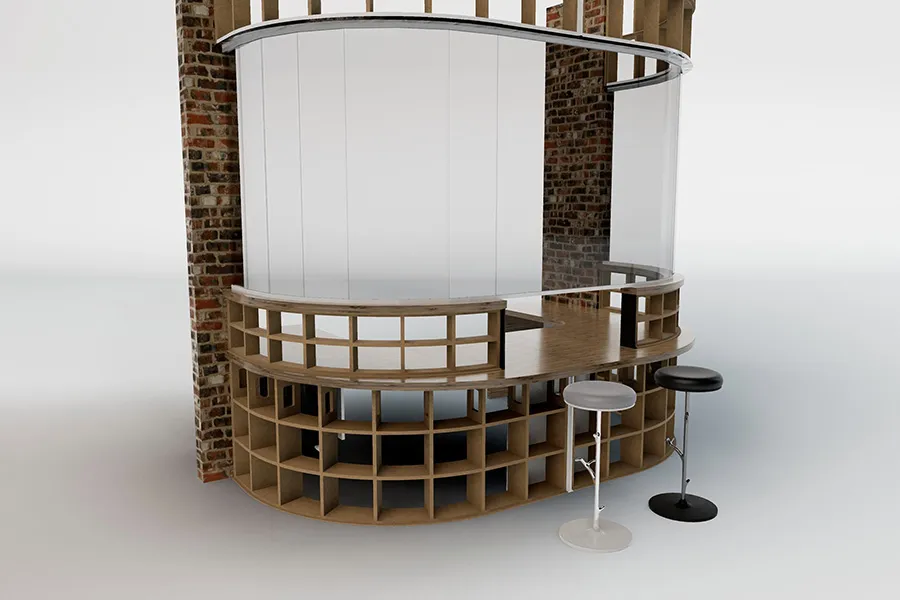
Data as a strategic tool
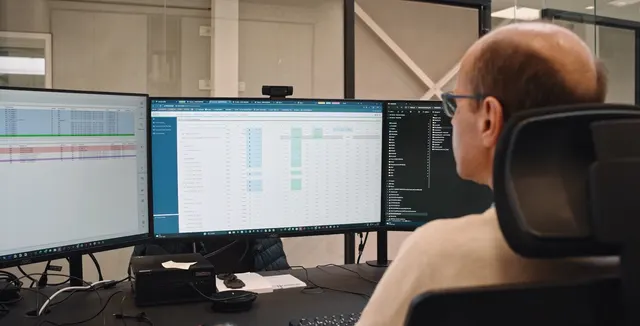
Software generates data that is becoming increasingly valuable. Companies that digitise their processes gain insight into lead times, costs of rework and material consumption. These insights make it possible to continually optimise operations.
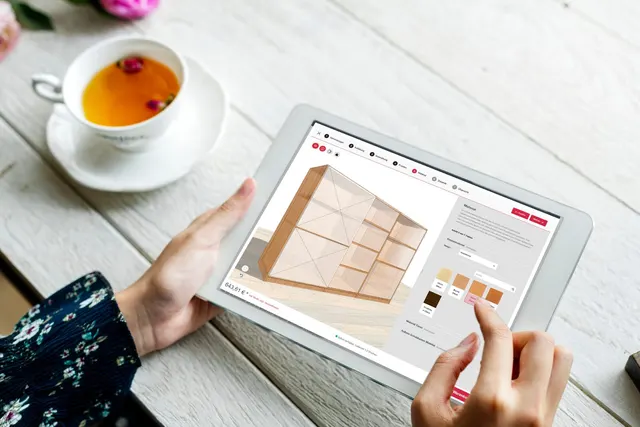
Data is also playing a greater role commercially. Configurators and quotation software enable companies to produce quotes more quickly and accurately. In some cases, customers can even design their own interiors online, with a real-time price indication. This significantly shortens the sales process.
Challenges: implementation and adoption
However, switching to new software is no easy task. Implementation requires investment, not only financially, but also in time and training. Employees have to get used to new systems and ways of working. Without buy-in from the team, the potential of the software remains untapped.
Standardisation is another challenge. Many interior construction companies work on a project basis and deliver bespoke work, making their processes less predictable than in serial production. The digital system must therefore be flexible enough to handle this variation.
The role of AI and automation
One important development is the rise of artificial intelligence in software solutions. Examples include automatic optimisation of sheet layouts, intelligent error detection in designs and even generative design. In this approach, smart software proposes design alternatives based on preset parameters.
Although these applications are still in development, they are expected to bring further change to the sector. Not by replacing craftspeople, but by supporting them in making better and faster decisions.
Conclusion: digital craftsmanship is gaining ground
In interior construction, software is no longer an afterthought, but a crucial success factor. Companies that invest in digital processes benefit from greater efficiency, fewer errors and better management information. At the same time, this development calls for a different way of working and thinking.
The future of interior construction lies in combining traditional craftsmanship with digital intelligence. Those who find the right balance will have a clear advantage in an increasingly competitive and innovative market.
Question about this story? Ask your question
Keep following this
Get an email when a new story is published. No account needed.
- ThemeFrom site measurement to production
- SubjectSoftware & digitalisation