The woodworking machine still does the same job, but better than ever
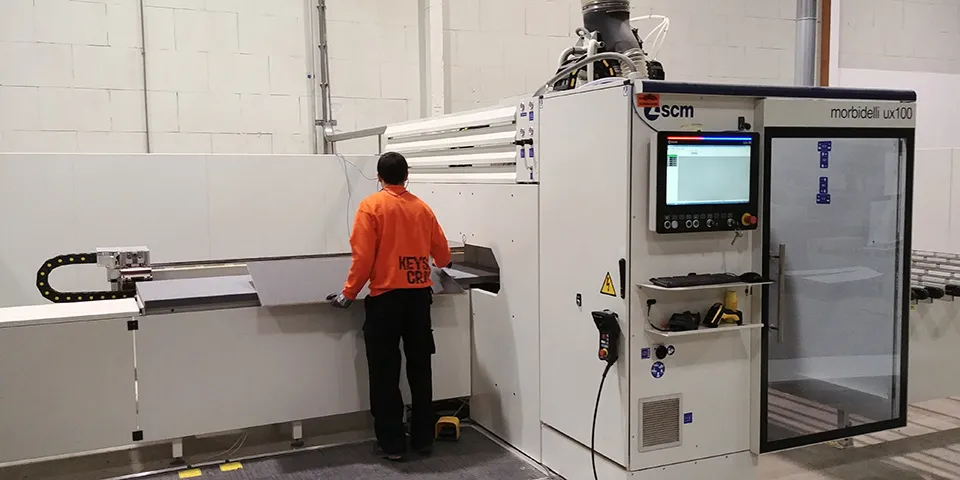
The functional use of woodworking machines has barely changed since the introduction of mechanised working. Sawing, drilling, routing and sanding remain fundamentally the same operations.
What has changed drastically, however, is the way the work is done. The automation of woodworking machines has made it possible to work faster, more cleanly and more accurately, and to improve efficiency overall.
Connectivity and interfacing: major strides forward
Looking at the evolution that has taken place and is still continuing, we can see, among other things, that tool quality has improved. Tool manufacturers continue to innovate. More and more knowledge is becoming available about the forces acting on a drill or cutter head. New abrasives are being developed, and saw blades continue to evolve. This makes work more economical and produces a cleaner finish.
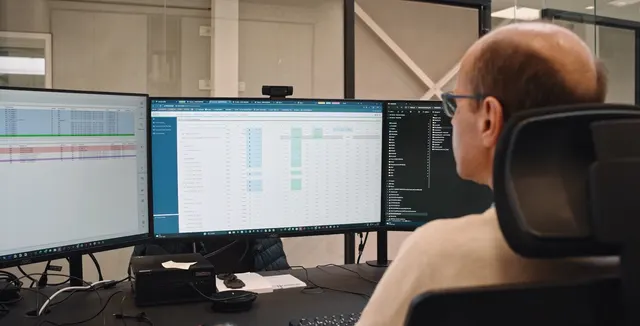
In terms of automation, we have made major strides in connectivity and interfacing. In the past, data read from paper was manually entered into a computer connected to the machine. Over time, it became possible to feed data to the machine digitally, first at the machine itself and later remotely via networks. And now? Via the cloud. The Internet of Things has reached the woodworking workshop, too. Thanks to IoT, the machine also talks back, enabling feedback to be used. Processes can be automated even more effectively than before, while storing machining programmes ensures that repetitive work can be carried out as accurately as possible. Stock management also benefits from feedback to the system. Instead of offcuts being assessed and logged manually, the system now reliably records digitally which pieces are in the warehouse. It takes them into account when processing subsequent orders. Less waste, then!
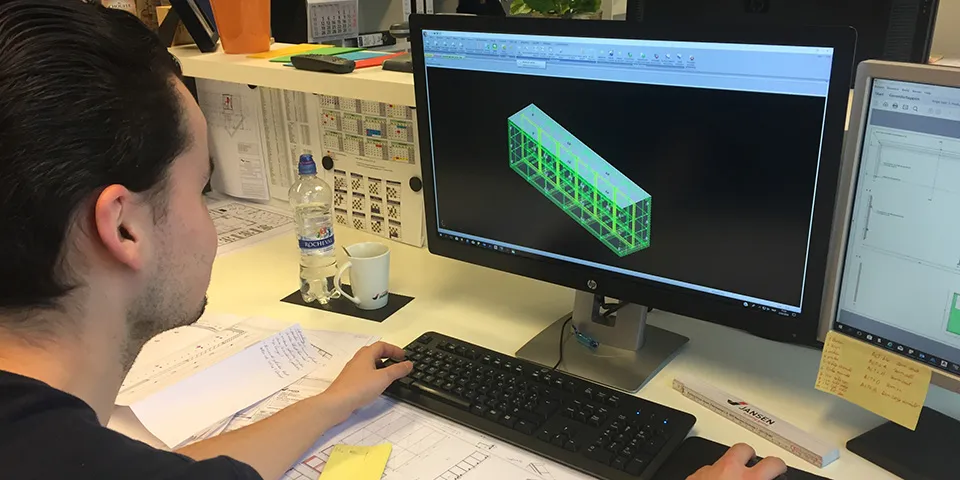
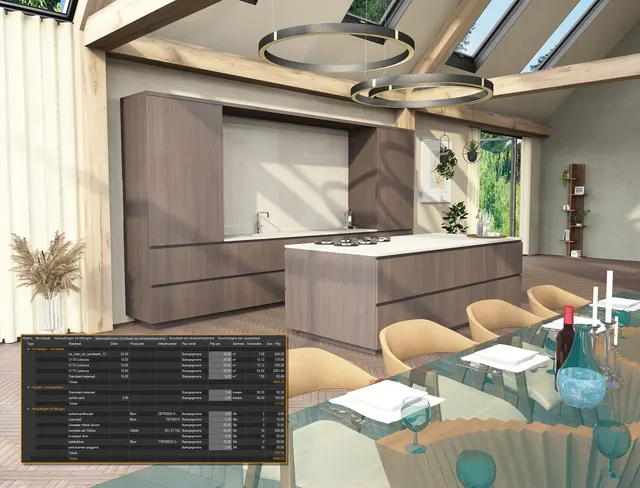
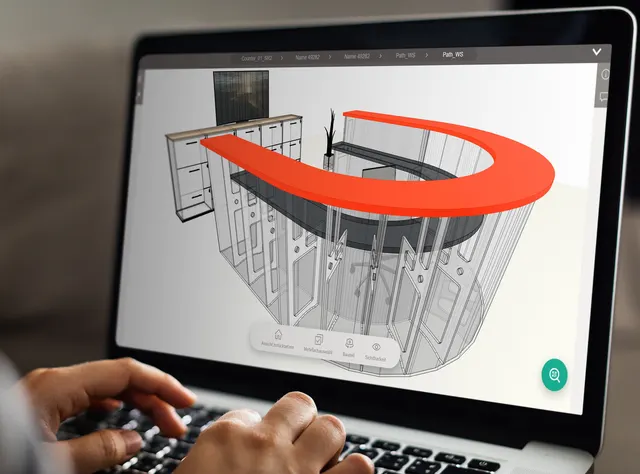
3D visualisation of each component makes it possible to identify any errors before production, saving time and reducing costs. (Image: Vlecad)
Do more with the same machine
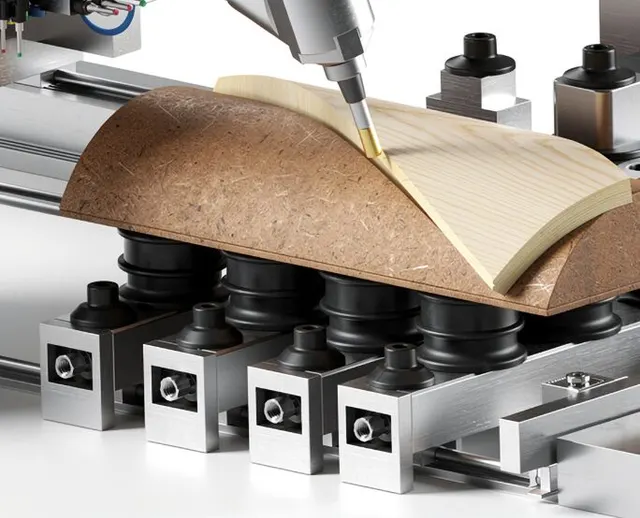
The greatest advances are in the range of operations that can be performed on one and the same machine. Routing the top, drilling the end grain and machining the underside of a panel at the same time? With the latest technology, that is no problem. As well as increasing speed and preventing damage to materials when they are transported from one machine to another, there is another major benefit: fewer staff are needed. This is not a negative outcome, as it does not lead to job losses. It mainly helps address a problem in the woodworking sector: the shortage of skilled workers.
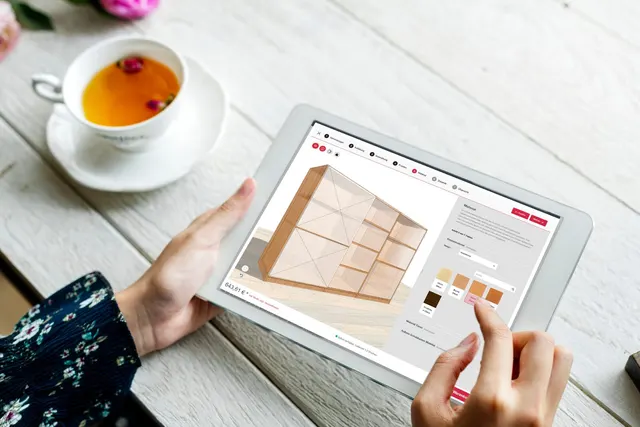
Looking at that same labour market, woodworking businesses finally have a strong selling point for getting young people interested. In many places, machines are already operated using tablets. Instead of having to set up the machine using an abstract control panel, operators can now swipe through the app that goes with it. The interface has become much more intuitive and easier to learn. It is a familiar digital environment for young people.
Small production runs are no problem
We are also seeing more small and medium-sized woodworking machines come onto the market, making them ideal in terms of footprint, purchase price and performance. They make it possible to produce small runs economically and efficiently. Does the current state of technology mean the craft is disappearing? Not at all, because working in a woodworking shop takes the right DNA. You either have a love of wood as a raw material or you do not. The machine used to work the wood is merely a tool.
A business enquiry for Vlecad? Get in touch
Companies in this story
Keep following this
Get an email when a new story is published. No account needed.
- ThemeMore bespoke work from the workshop
- SubjectSoftware & digitalisation
- CompanyVlecad