











Sustainability is no longer a paper tiger

Whenever Arpa exhibits at Interzum, visitors know they are in for an inspiring conversation. Naturally, the collection and all the latest innovations are on the agenda, but Rutger de Jong, who is responsible for Arpa Nederland, says the company’s sustainability activities are set to become more visible. “We’re making it tangible. Sustainability has never been a paper tiger for us, but we’re going to emphasise even more that there are other ways to put it into practice. We want to influence the entire supply chain.”
‘We want to slow down, and possibly stop, the replacement cycle’
“For us, sustainability is about more than simply paying attention to the choice of materials. We are convinced that you achieve a truly excellent level of sustainability when you manage to slow down the market’s replacement cycle. Or, in all reasonableness, even bring it to a halt.”
Rutger says this is not an overly bold claim, because if he succeeds in putting sustainability into practice, it will bring about unprecedented change throughout the industry. “If you want to embed sustainability in your production processes, the first step is to maintain the status quo. Then you look for products with a lower environmental impact, and weave that into the very purpose of your organisation. D = D, as I say. Sustainability means taking action. The ultimate goal is to build a longer lifespan into new products from the outset. Because if you can avoid replacing a product for a long time, or even never have to replace it, you are still making an essential contribution to sustainability. You reduce production of replacement products.”
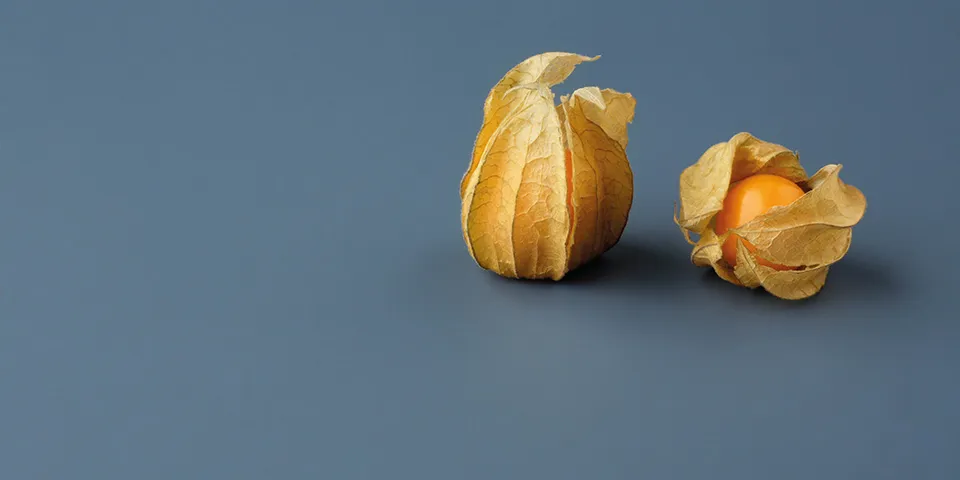
FENIX NTM Bloom, 0771 Azzurro Naxos.
“That is why we continue to innovate and start at the source, with different raw materials and products that will last longer. Of course, I admit that this is not straightforward. We have to look for those products at the source. First, we say that everyone, including Arpa, should always use common sense. Find the right balance between impact and functional use, and assess that balance realistically. Then it is important to define a number of key indicators that you can literally measure. What is your water footprint? What is the effect on global warming? And look at your primary energy demand. In short, you want to keep improving your scores on these points and make them transparently measurable.”
“Once you get started, you can set targets,” Rutger continues. “Arpa began working this way in 2010, but we have now stated our ambition more clearly and are communicating it externally, including through publication on our corporate website. This is particularly important because our products have been given characteristics based on this policy.”
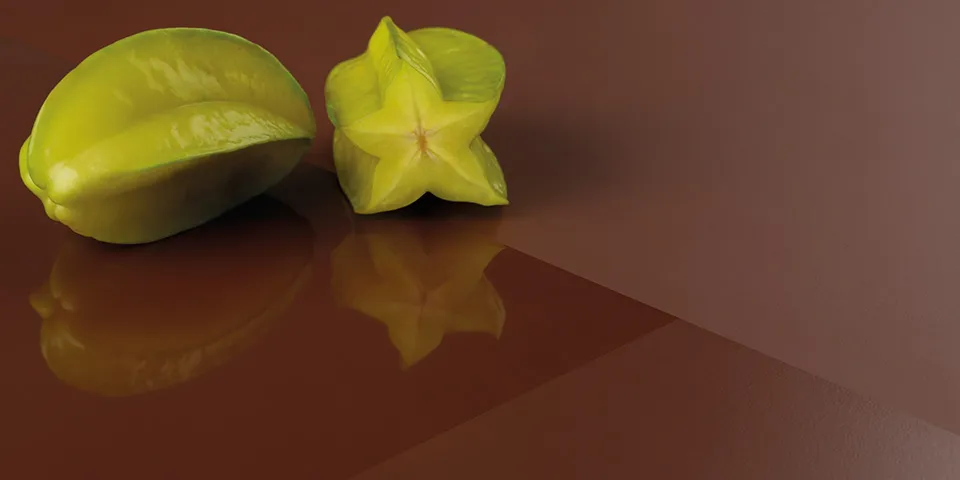
Arpa HPL Bloom, 0759 Rosso Purjai, Finishes: Erre, Lucida, Kér.
“That is what we are showing at Interzum. Our separate collections of traditional HPL and special FENIX are now being used as the basis for a special collection that we are introducing. It is called BLOOM. Visitors will see not only a range of new decors, but also a practically more sustainable new product and the story behind it.”
When asked whether this is Arpa 3.0, Rutger laughs. “Yes, that is actually a nice way of putting it. We have redefined existing products, and of course we are bringing out new products and new designs. We are taking another step forward aesthetically, but the most important thing is that we have changed our raw materials at the core, or rather, improved them. With BLOOM, we hope to drive the market forward. 28 decors, 3 surface textures, 4 new Fenix colours. It is a great start in making sustainability a tangible example of intrinsic motivation, something architects, designers and end users can work with. Once they see it and understand it, they will want to choose it too!”
Question about this story? Ask your question
Keep following this
Get an email when a new story is published. No account needed.
- ThemeMore sustainable materials and longer use
- SubjectGeneral







