











The 5 key interior design trends for 2025
Text Jerry HelmersImage Studio Fien
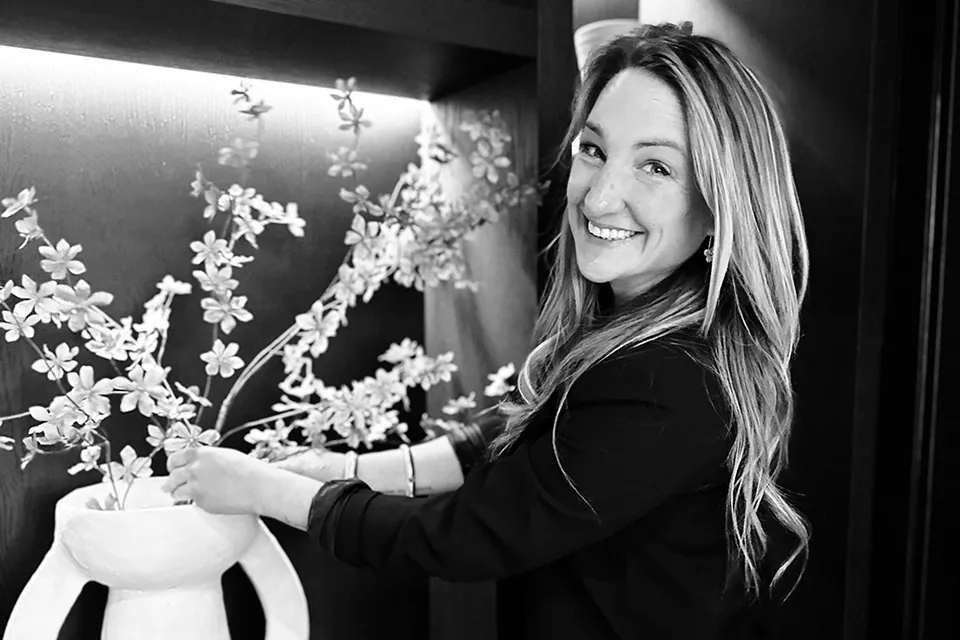
In the spotlight: Fientje Speetjens
It is always good to look ahead at what the coming year may bring in the final issue of the year. We asked Fientje Speetjens about the trends. She owns the interior design studio Studio Fien in Tilburg. Her approach to design and interiors? “It has to feel right from the very first moment!”
“We work in an industry characterised by sharp peaks and deep troughs. That has always been the case, but last year saw an exceptionally deep slump. Not only in architecture and design, but particularly in interior construction. These two disciplines are closely intertwined, however, and need each other more than ever to achieve a beautiful end result together. The changing world and the pace of change we are seeing now are among the factors that call for this collaboration. What is more, it is important to take trends into account at the design stage, as this makes things easier for the interior contractor.”
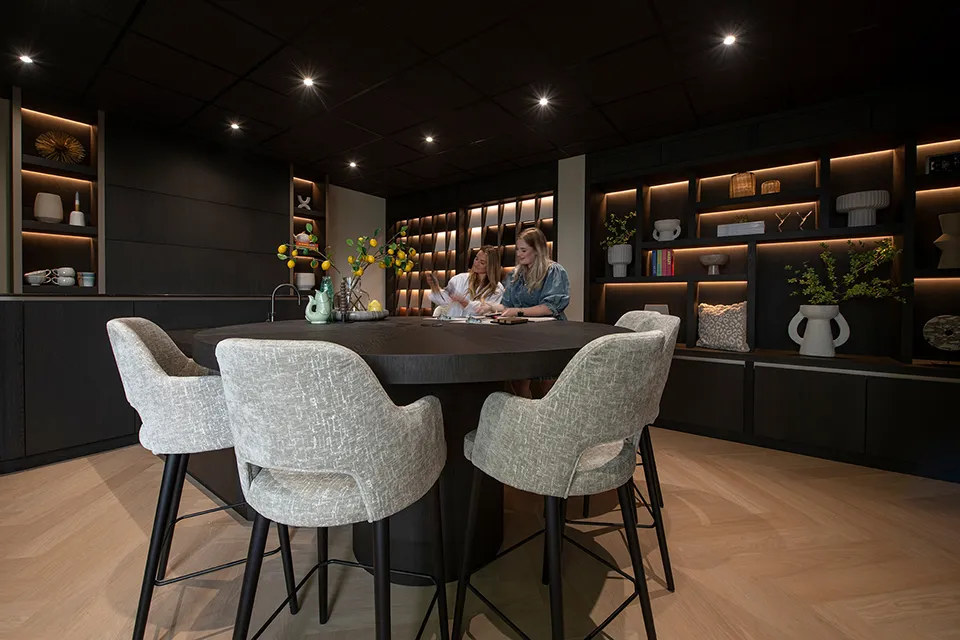
Trends for 2025
“Fortunately, the first trend I see is that suppliers are now focusing not only on supplying interior contractors, but also on architects and designers. This means the groundwork for interior contractors is already more fully developed in terms of materials and possibilities. That is a good thing. Every design that is translated into a product also needs to be easy to handle or build.”
“Sustainability and circularity are, of course, also important trends. We can no longer avoid circular interior construction, the use of cradle-to-cradle materials and the reuse of material waste. I have to be honest: I have hardly noticed consumers asking for this in large numbers in recent years, but I do think that is going to change. Just last week, a consumer asked me a specific question about the origin of materials.”
Multifunctionality and modular design
“A very important third trend I see is the desire for flexibility. This is essentially driven by the desire for greater sustainability, but more than ever we need to ask ourselves, for example when fitting out a space, whether it could be repurposed relatively quickly at some point, and what that would mean for the interior. I think multifunctionality and modular design will really take off in the coming year.”
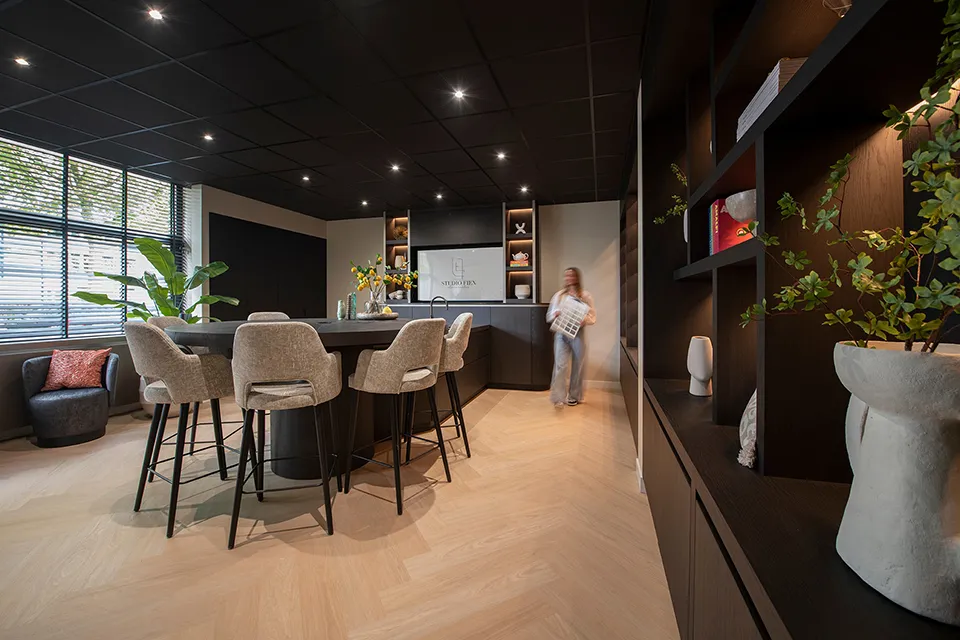
Another development Fientje believes will be impossible to ignore in 2025 is domotics, from lighting and climate control to home security and smart kitchen appliances. “Convenience is what matters,” she says. “It is important for designers to take this into account even more. Of course, you could also debate this from an ethical or moral perspective: do we want everything to be completely controllable? Personally, I would rather have a button on the wall that I can press. But technology is advancing. Just look at AI. It has set a lot in motion. The profession is changing. Still, I very much hope I can continue drawing by hand. Putting something down on paper gives me a sense of control. Am I old-fashioned? Maybe. I don’t have Google Home at home either. That said, I make sure I keep myself informed: whenever I go to trade fairs, I am amazed all over again by what is already possible.”
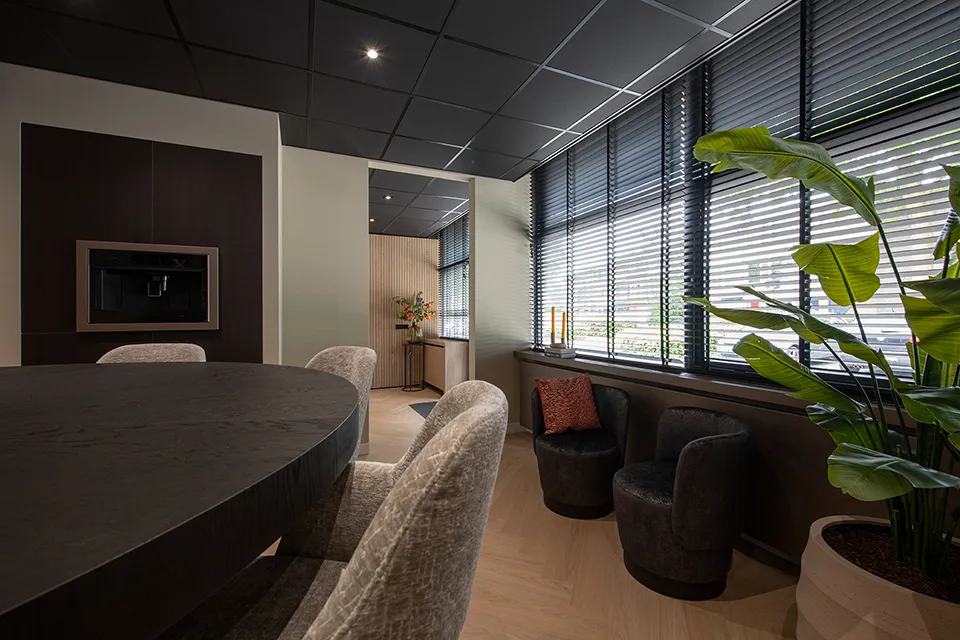
The final trend Fientje mentions is all about experience. “Colour is not the most important thing: it is about shapes and textures. That is what makes an interior exciting. We are seeing Scandinavian influences return, with lots of light-coloured wood. There are Japanese influences too: minimalism. Homes can feel a little calmer again.”
Colours?
Finally, Fientje highlights the key colours and materials for 2025. “I see lots of earthy tones and deep colours returning. There is also a desire for beautiful contrasts. We will be combining materials much more, and last but not least, 2025 will also be the year of light and transparency. People want more openness and a greater sense of space in their homes and offices. We designers face quite a few challenges. Even so, I always start with the basics: ‘It has to feel right for the end user from the very first moment’.”
Fientje Speetjens owns the interior design studio Studio Fien in Tilburg.
Question about this story? Ask your question
Keep following this
Get an email when a new story is published. No account needed.
- SubjectGeneral







