











The future of interior design: designing for flexibility and continuing to innovate
Text Jerry HelmersImage Studio Piet Boon en Cafeine
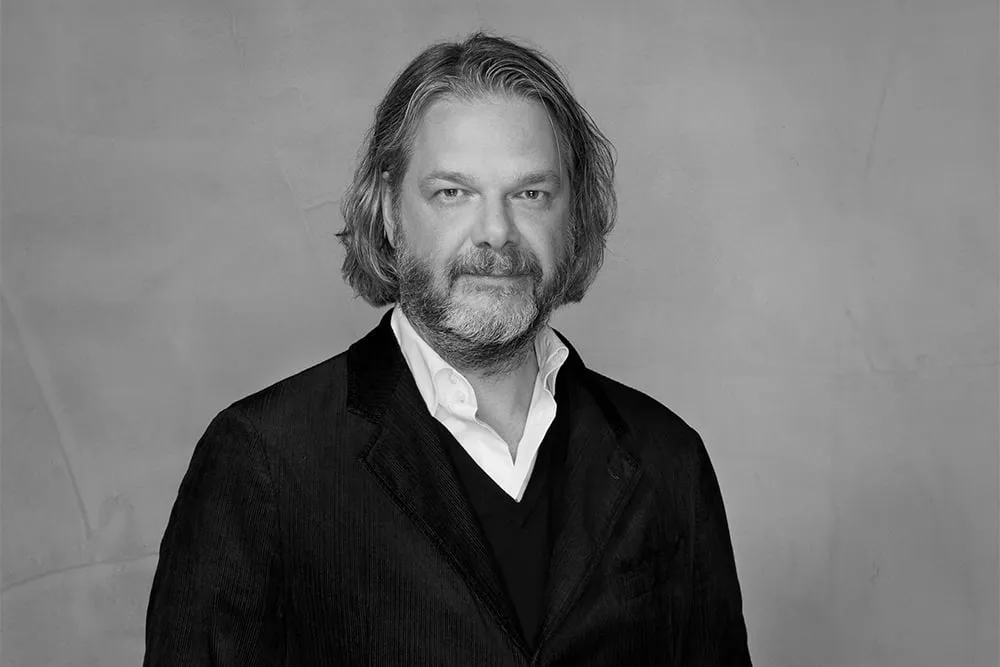
In a rapidly changing world, flexibility in interior design is the absolute key to success. Roland Kokkeler, Chief Design Officer at Studio Piet Boon, shares his thoughts. In conversation with Binnenwerk, he discusses the major trends on the horizon and the role of technology in shaping the future.
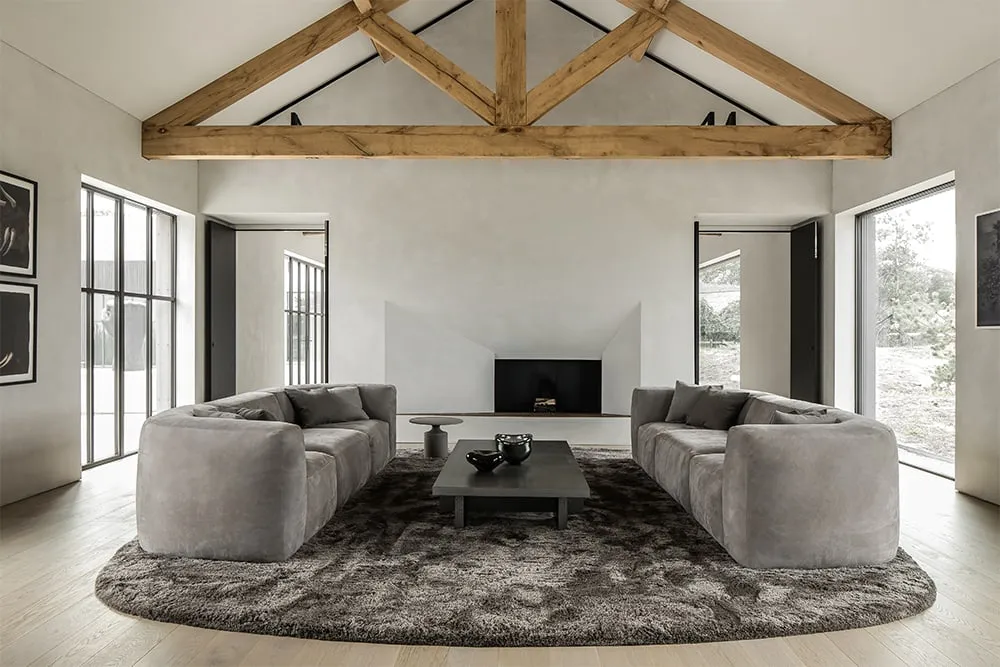
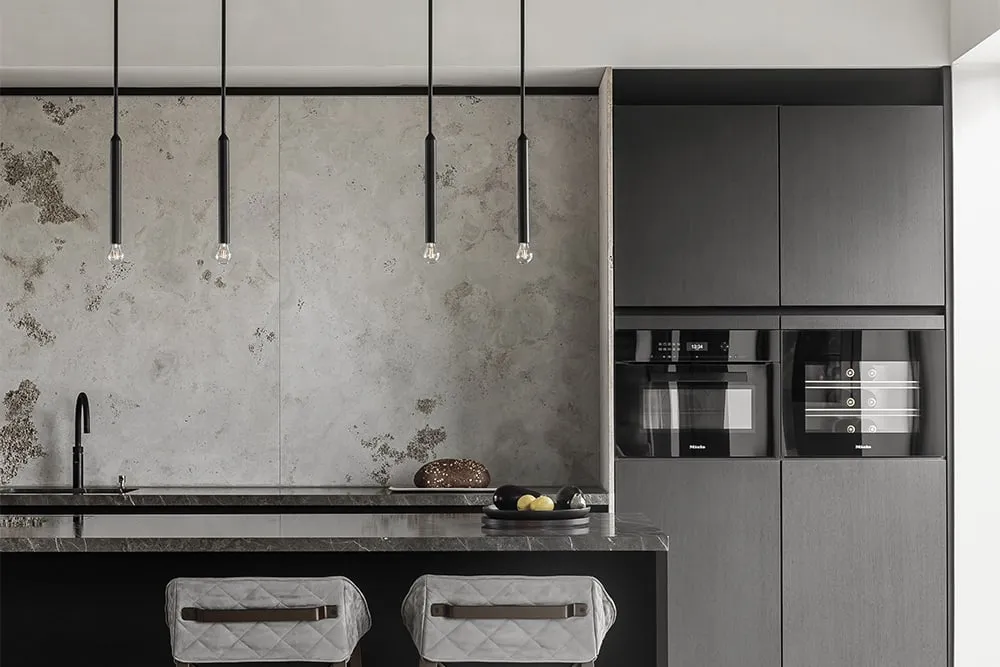
One of the most significant shifts in interior design over the past two decades is clear: the kitchen has become an integral part of the home. It is now the central family hub, where people cook, eat and study. What began in the kitchen is now spreading throughout the home. Flexibility and multifunctionality are therefore set to become key concepts in the future of residential and interior design.
Kokkeler expects spaces to adapt increasingly to residents’ dynamic lifestyles. In the future, people will want homes that can easily change function to meet their needs. “We will see growing demand for bespoke solutions in which spaces can serve different functions,” he explains. Residents’ changing lifestyles call for flexible living solutions, with spaces able to adapt quickly and effortlessly, Kokkeler believes. “We live in a hectic time, after all. Think of economic volatility and the impact of climate change. There is therefore a constant need, and sometimes a necessity, to adapt. This also affects the way spaces are laid out.”
The rise of AI in the design process
One major development in the interior design sector is the use of artificial intelligence (AI). Kokkeler believes AI can add value, provided it is used in the right way, and stresses that technology should play a supporting role. “AI is a fantastic tool for designers, without taking away their creative control,” he says. “In our studio, for example, AI helps analyse trends, test design scenarios and optimise material use.”
AI offers new insights and opportunities, but Kokkeler says the designer remains at the heart of the creative process. The challenge in the years ahead will be to strike a balance between technological progress and preserving the human vision that is essential to the future of design studios. “Preserving our vision is what makes our designs unique. Identity does not come from AI,” he says. “Used well, it is a valuable addition.”
International perspective and craftsmanship
Studio Piet Boon also has an international team, where knowledge gained through education around the world comes together. Kokkeler sees this as the basis for development and innovation, as designers share their experiences and help the studio evolve. “For us, for example, it is about achieving the perfect balance between aesthetics, functionality and individuality. Our craftsmanship encompasses all the different layers, clients, tastes… Everything, in other words, to bring it all together in a balanced and timeless whole.”
Kokkeler believes this international perspective and collaboration are precisely what make innovation possible. “The diversity within our team leads to fresh, creative solutions that meet the needs of the global market. At the same time, craftsmanship remains the foundation of our approach.”
“Craftsmanship means being able to produce designs that are not only visually appealing, but also comfortable and built to last. It is a thorough understanding of the production process, combined with a commitment to timeless design, that ultimately enables designers to guarantee the highest quality, and the best possible living experience,” Kokkeler concludes.
Roland Kokkeler: Chief Design Officer at Studio Piet Boon
Question about this story? Ask your question
Keep following this
Get an email when a new story is published. No account needed.
- SubjectGeneral







