











There Is No Way Back: Sustainability and aesthetics go hand in hand
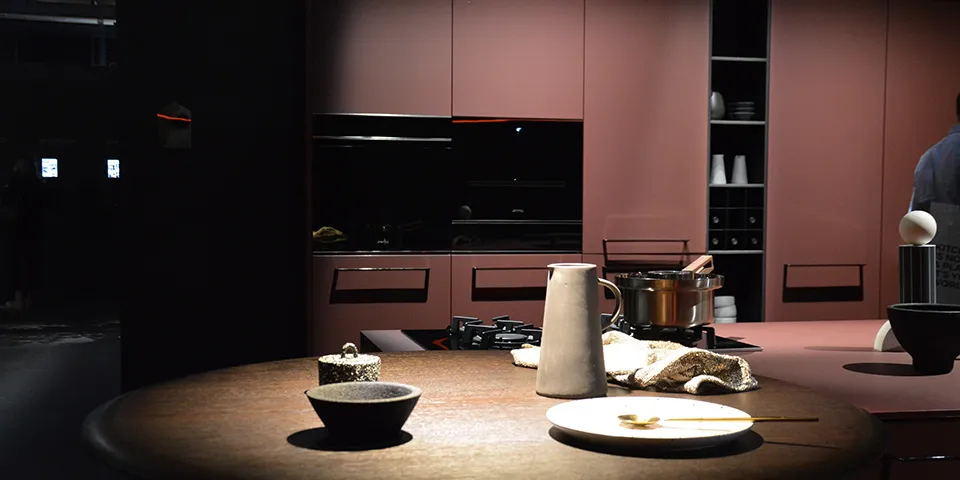
In 2019, consumers are above all unpredictable. That makes it exceptionally difficult to work in this industry. But it is challenging, of course. Rutger de Jong, Country Manager at ARPA Industriale in Schiedam, explains: “We are seeing all kinds of trends overlap at the moment. The question is whether the industry can respond to them efficiently and effectively, and whether it can succeed in serving that market to the full.”
“First, we now have to deal with consumers who are focused on acquiring high-tech products that last a long time and also look good, even perfect. I also see a clear trend towards consumers seeking authenticity, so interest in natural materials is growing. And consumers want to be well informed, more so than before. They want to know, almost literally, what to expect from a product and what the manufacturer stands for.”
Business-to-business
Rutger sees similar trends in the B2B environment. “There is also a lot of interest in natural materials that can stand the test of time. And people are increasingly pushing the boundaries of what you can do with a product, for example. So the intended use of materials is expanding into other dimensions. For instance, fit-out specialists and furniture manufacturers are already using our Fenix NTM much more widely. We recently even heard of it being used on staircases. It is no longer just a horizontal or vertical sheet material.”
For Rutger and all his colleagues at Arpa, this is a major challenge. “The search for suitable materials is, and will remain, intensive. At the same time, we know we must not let ourselves be constrained aesthetically. Sustainability and aesthetics must continue to go hand in hand.”
“Sustainability has always been a priority for us. When we develop new products, we also work to extend their lifespan from the outset. If you need to replace products much later, or perhaps not at all, you are also contributing to sustainability. I would even say that this is the highest level of contribution. After all, fewer production processes are then needed overall to meet replacement demand.”
Good for the heart
“To be very concrete about Arpa, I can see that we have succeeded in this mission. Combining sustainability with a product’s ultimate look and feel is in our DNA. That is a good thing: consumers, and of course B2B customers too, get exactly what they want. They get something that appeals to the eye, but also something that feels good in the heart: a better or different dimension of the circular economy, with waste streams reduced. You can’t argue with that.”
According to Rutger, this vision explains the growth Arpa is currently experiencing. “The market can see that our focus on sustainability is not just a PR stunt, because it has always been part of what we do. We began developing these kinds of materials years ago, and they are now coming onto the market. People elsewhere in the chain are also realising that sustainability is not just your own responsibility. You need to take on a role that makes the entire chain responsible. That resonates. After all, everyone would agree that very high-quality products that last longer ultimately mean less production. Who wouldn’t want to hear that?”
Question about this story? Ask your question
Keep following this
Get an email when a new story is published. No account needed.
- ThemeMore sustainable materials and longer use
- SubjectGeneral







