











Unique technology makes reuse possible
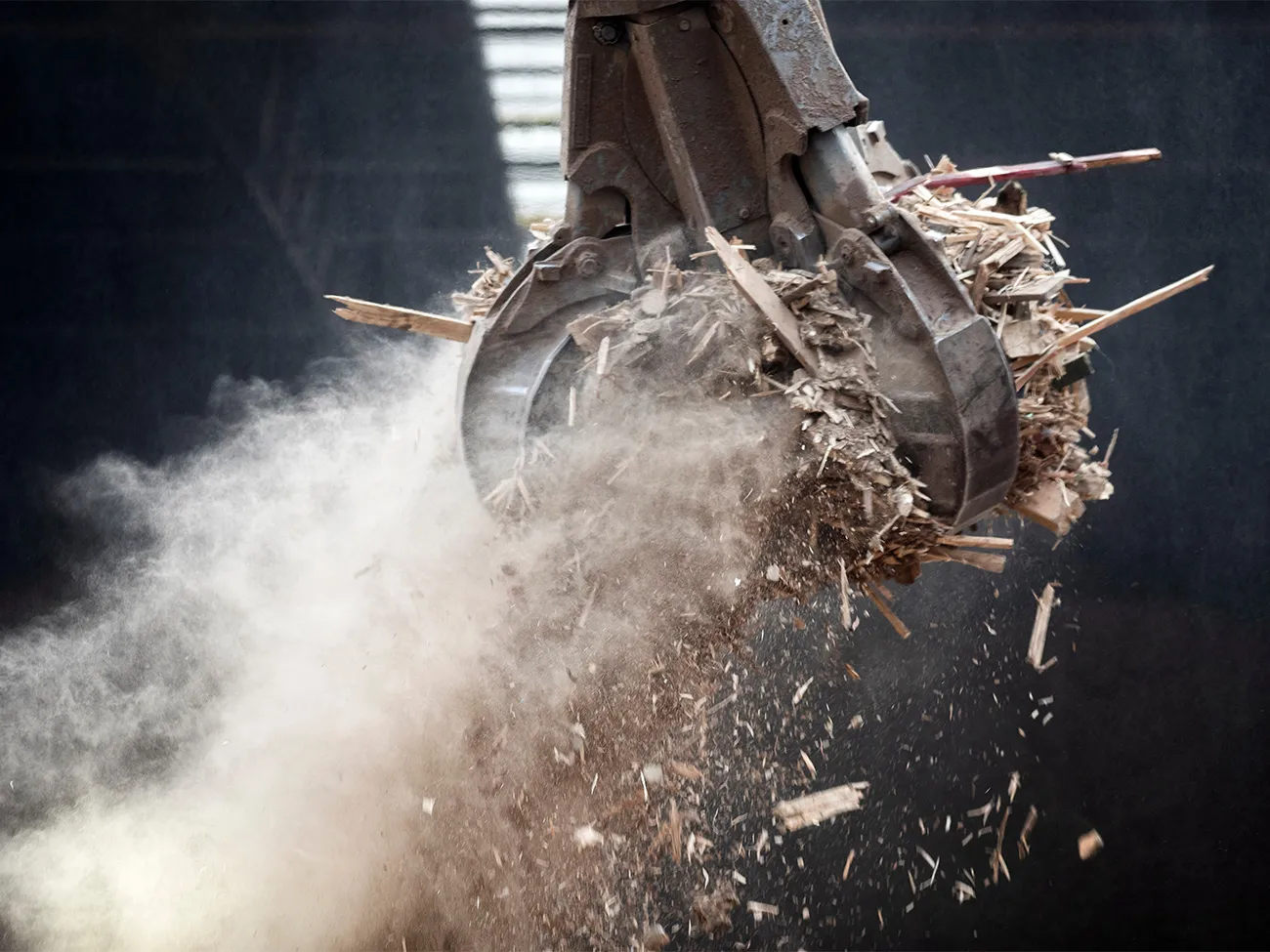
Circular construction is on the rise. Despite the many challenges that remain, Unilin believes circular construction will become unavoidable within a few years. As a pioneer in the circular economy, Unilin Panels is inviting construction and interiors professionals to help build a sustainable future. For the first time, this is now possible using recycled wood fibre boards.
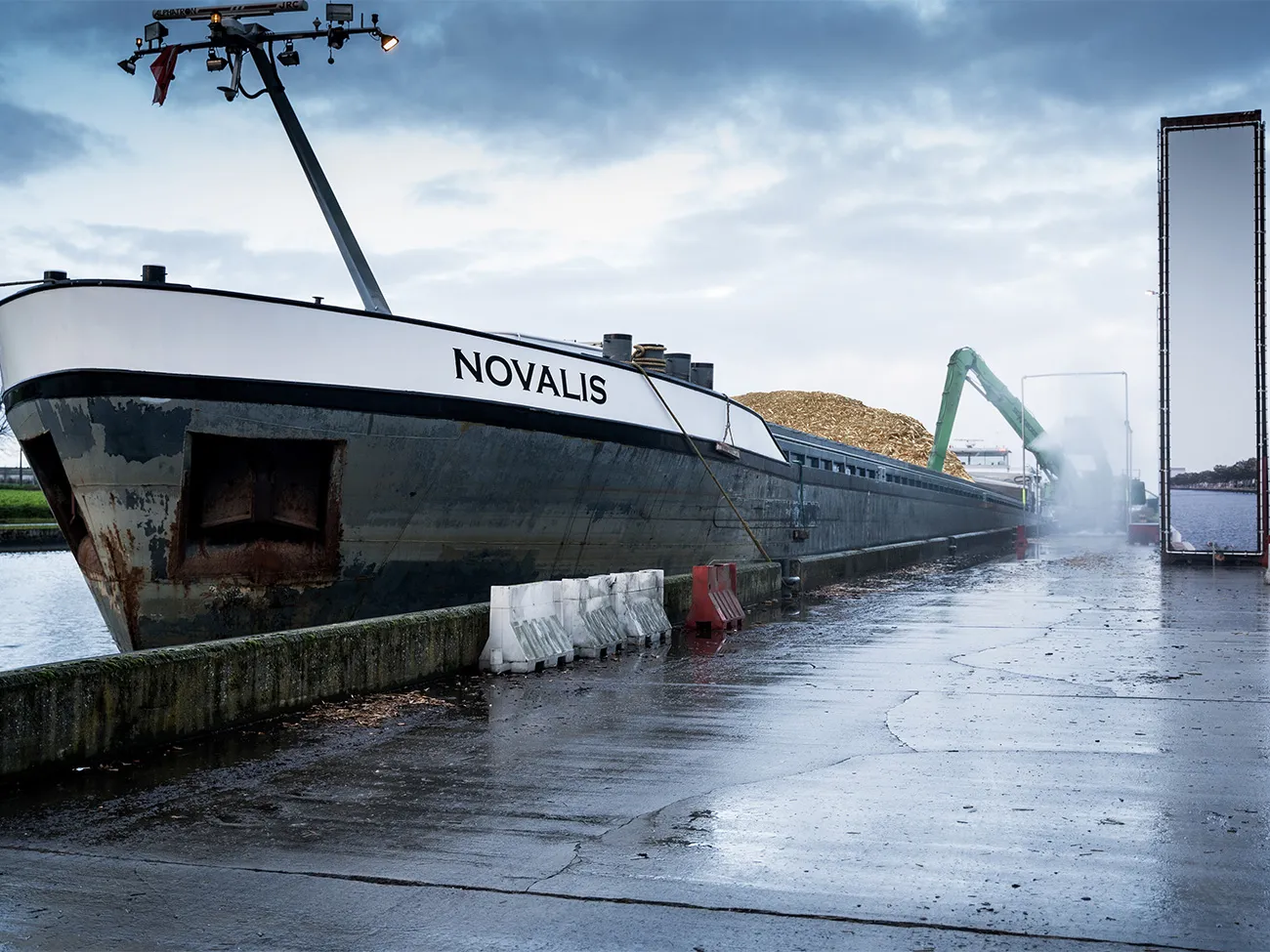
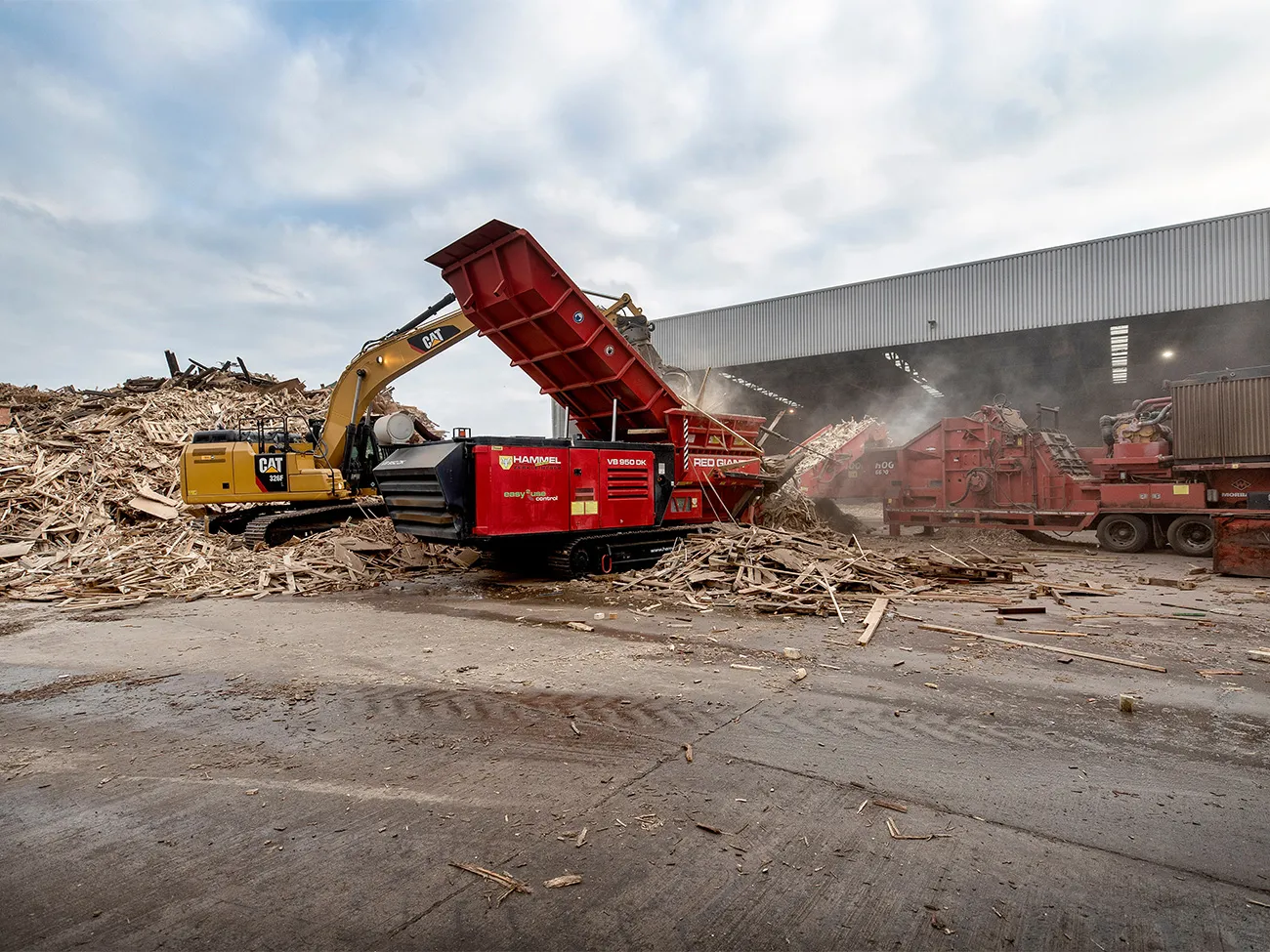
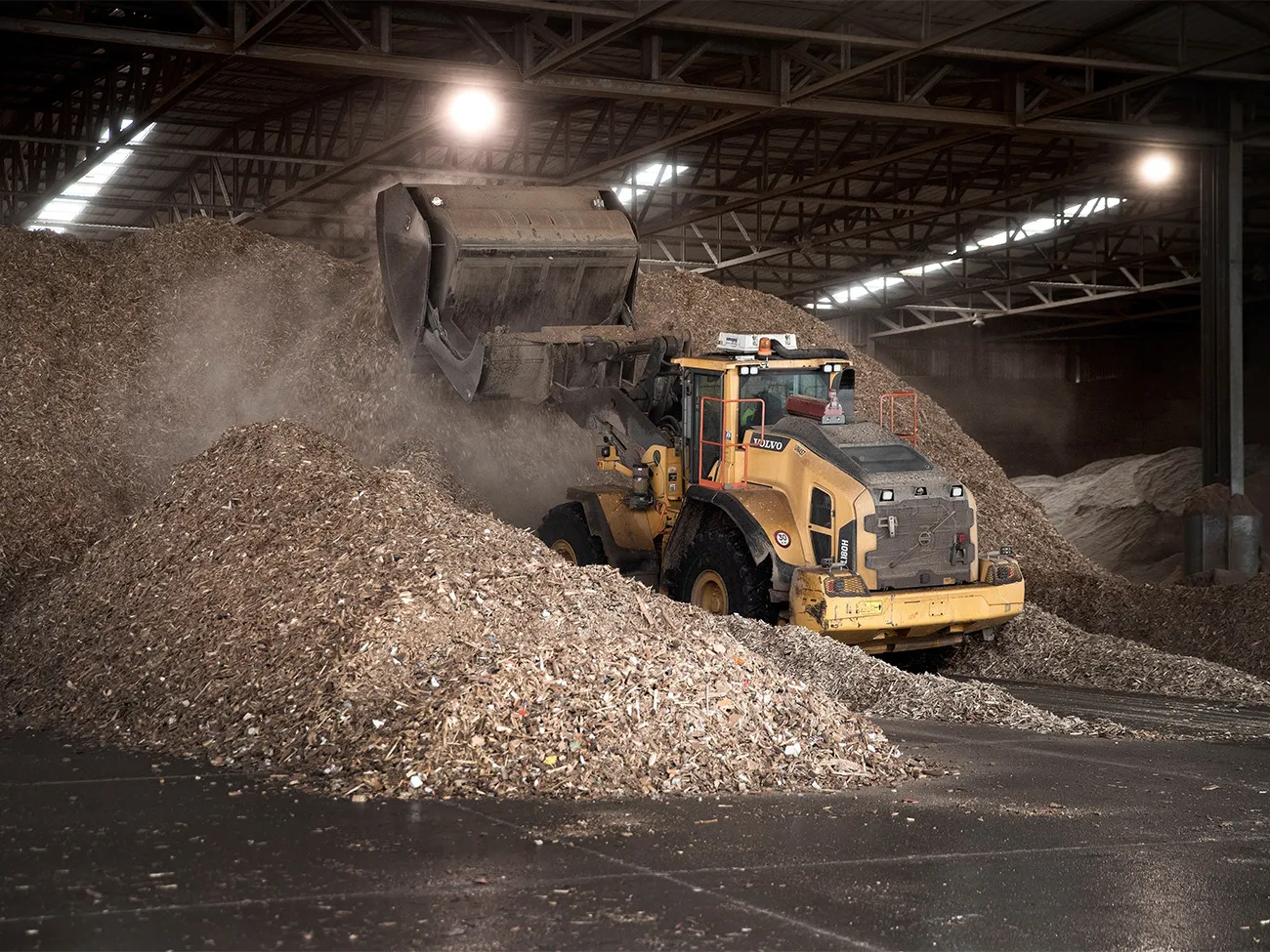
Unilin Panels, the division within Unilin Group that produces MDF and HDF boards, has made a deliberate choice to use ‘reclaimed’ wood in its production. This wood or wood waste is no longer usable and is therefore saved from incineration. In this way, Unilin Group not only avoids felling trees for its production, but also gives waste wood a new lease of life through a new material application. For years, Unilin has been looking for a way to go one step further and give our wood fibre boards a new lease of life at the end of their service life. Until now, however, it was technically impossible to recycle the 100 million m³ of MDF and HDF boards produced worldwide each year at the end of their service life. After extensive research and development, we have now become the first company in the world to succeed. Thanks to a new recycling technology, Unilin can now process the wood fibres from discarded MDF and HDF into new boards on an industrial scale. This world first means that, in time, Unilin Group will be able to keep 380,000 tonnes of CO2 stored each year in the wood fibres it gives a new lease of life using this technology.
The missing link in a sustainable story
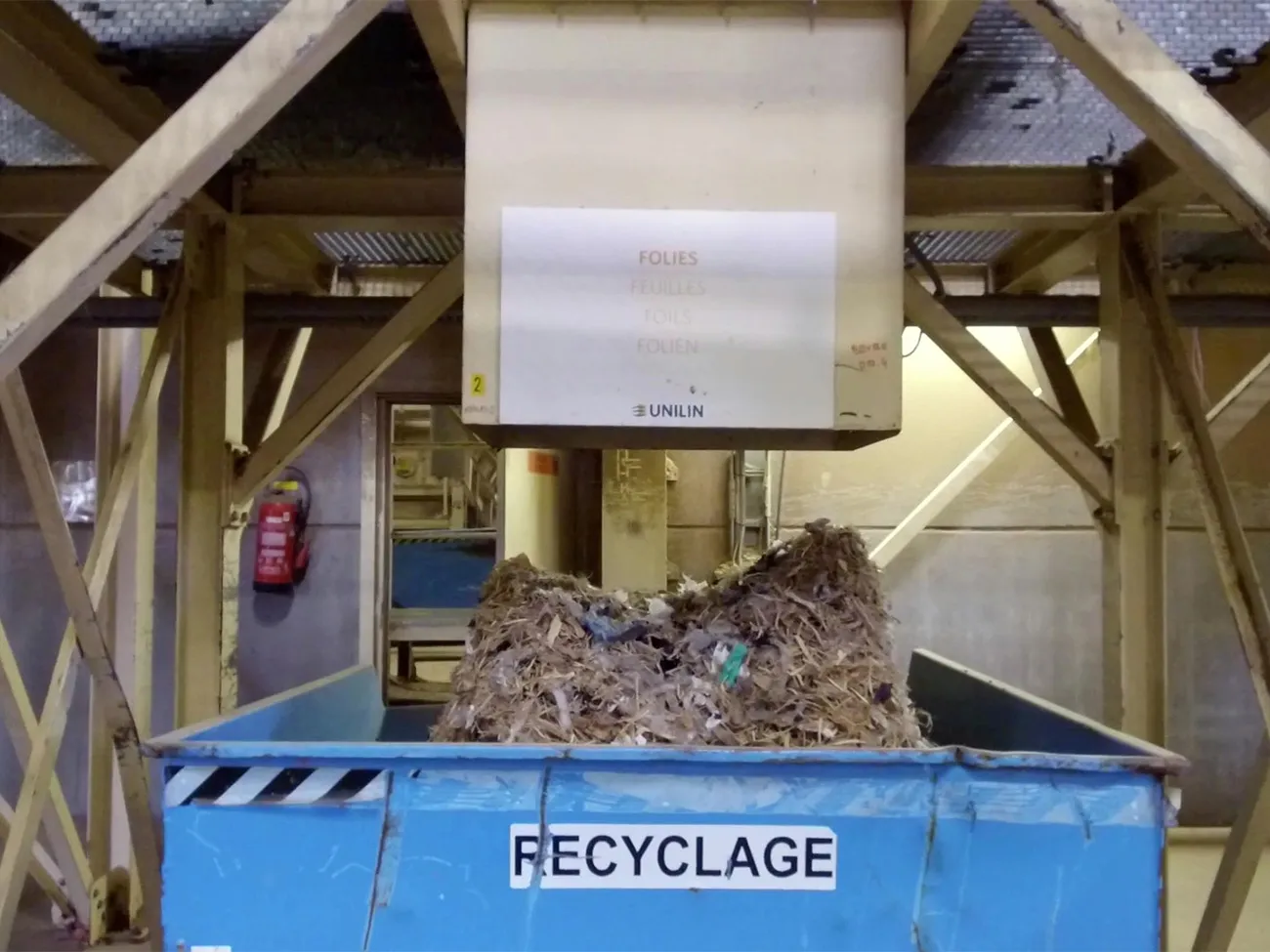
Véronique Hoflack, president of Unilin Panels, who was instrumental in developing the new recycling technology, explains: “Because glue is used as a binder for the wood fibres, there was previously no industrially viable way to recycle the fibres from waste boards at the end of their service life. As a result, most of these boards are incinerated after use, typically after 14 to 20 years.
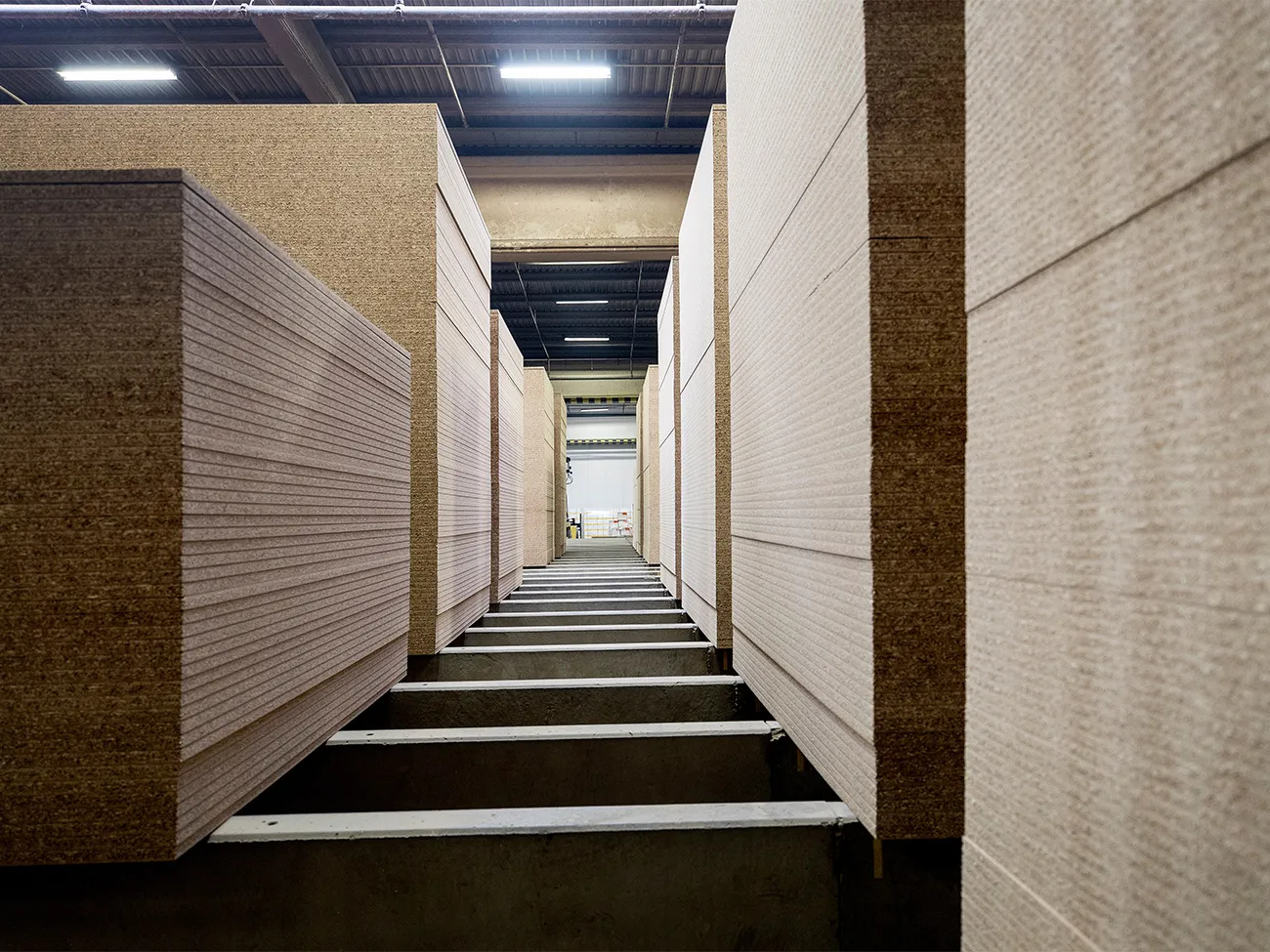
We have now succeeded in developing a new, innovative process to recycle these wood fibres and reuse them to produce new boards. These include our decorative Evola panels and Quick-Step laminate flooring. This doubles the service life of the wood fibres! During this extended service life, new trees have time to grow and in turn store CO2. This is a major step towards circularity.”
Circularity is in our DNA
The development of this groundbreaking new technology is fully aligned with Unilin Group’s sustainability strategy. As part of this, the company is committed to contributing to the objective set out in the Paris Agreement to limit global warming to 1.5°C. Unilin Group sees its capacity for innovation as a key prerequisite for achieving these ambitious targets. Over the next two years, it plans to invest a further €160 million in Belgium, including in research and development.
Bernard Thiers, CEO of Unilin Group: “Circularity has been in Unilin Group’s DNA from the very beginning. In 1960, we started out as a producer of flax chipboard, offering a solution for waste from the local flax industry. Even then, we saw the challenges around reusing materials as an opportunity. And that is still the case today. Our new technology now allows us to close the loop completely for our MDF and HDF boards, the basis of Quick-Step laminate flooring. This development is fully in line with our sustainable raw materials strategy, under which we use 100% reclaimed or recycled wood and extend the service life of wood as much as possible.”
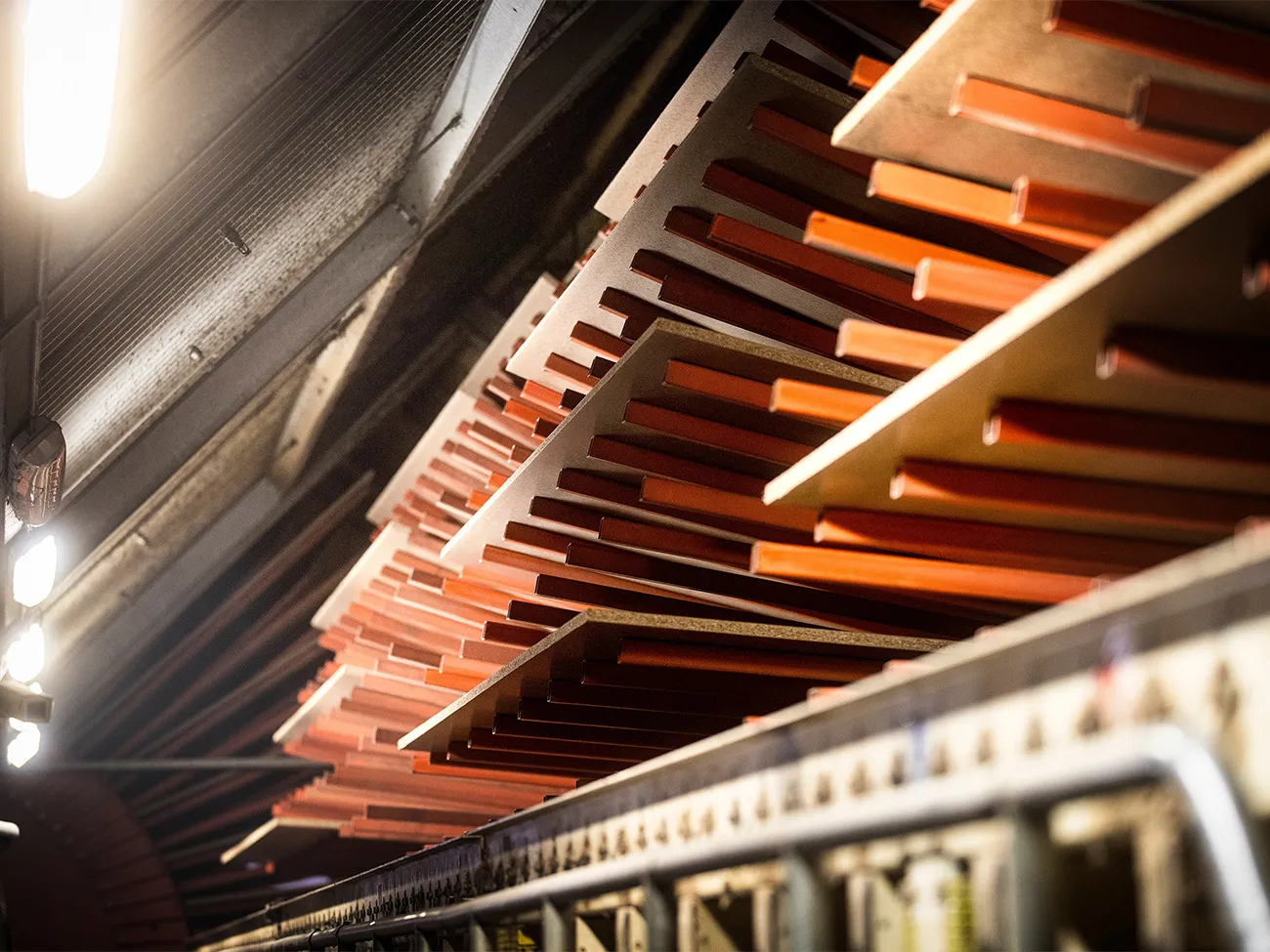
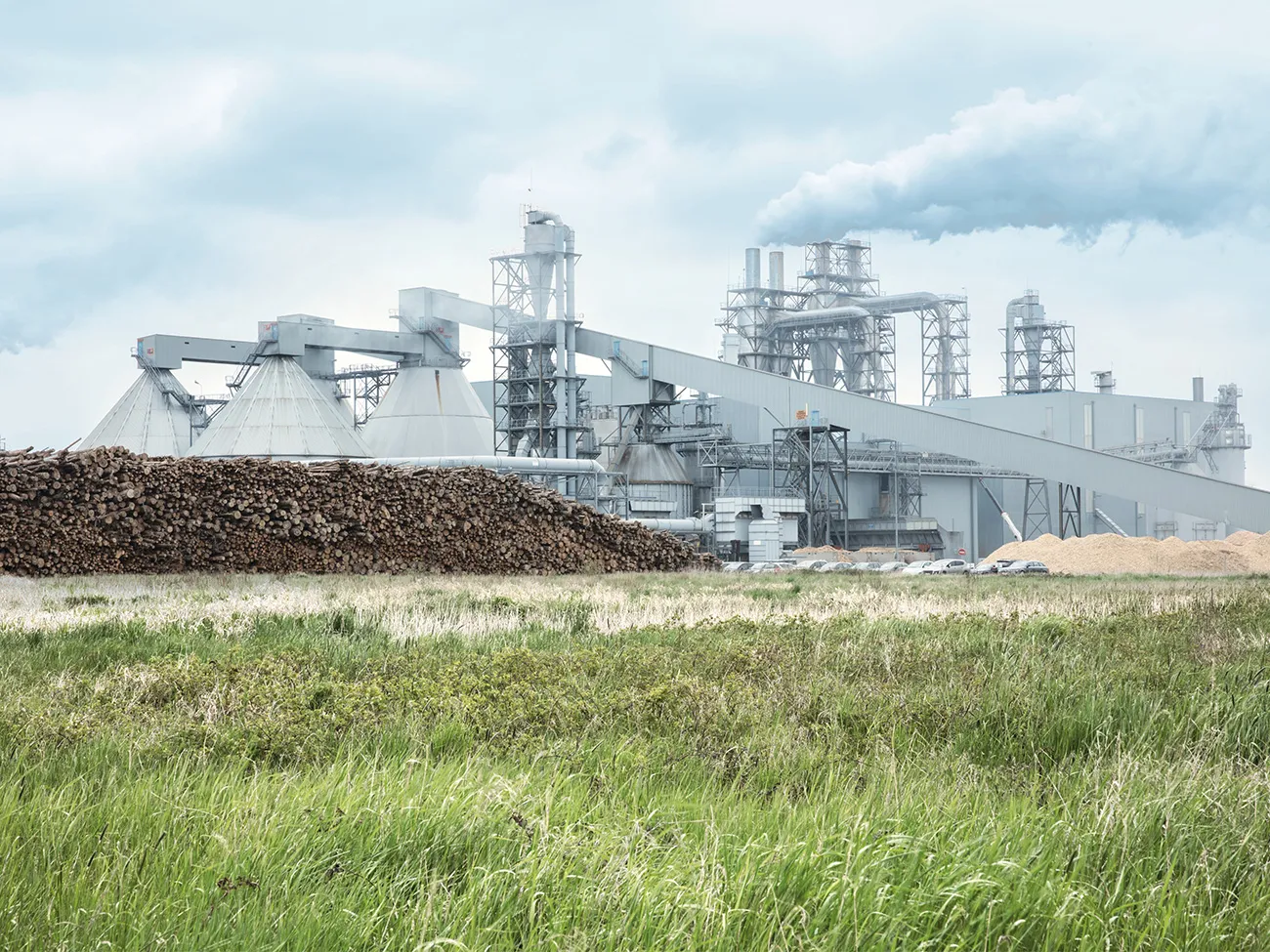
In the first phase, Unilin Group will use the technology to recycle material used internally at its production site in Bazeilles, where the company has been investing in cutting-edge technology for MDF and HDF board production for years. In a subsequent phase, recycling capacity will be increased so that externally collected fibre boards and laminate flooring can also be recycled. The technology, which has now been patented, is an absolute world first. By 2030, at least 25% of Unilin Group’s raw material mix must be replaced with recycled fibres.
A business enquiry for UNILIN Panels? Get in touch
Companies in this story
Keep following this
Get an email when a new story is published. No account needed.
- ThemeMore sustainable materials and longer use
- SubjectGeneral
- CompanyUNILIN Panels







