











What will the ideal furniture maker look like in 2030?
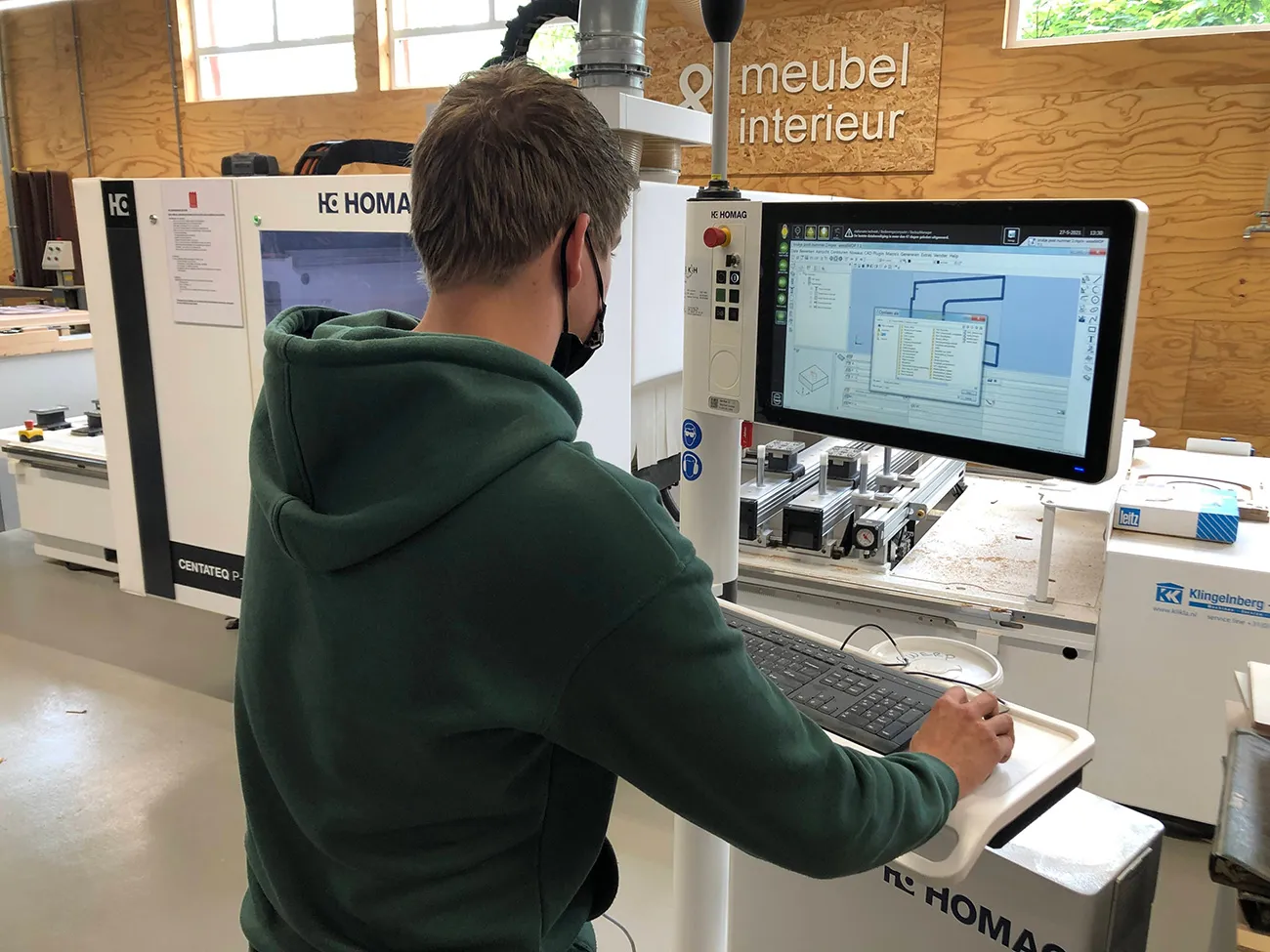
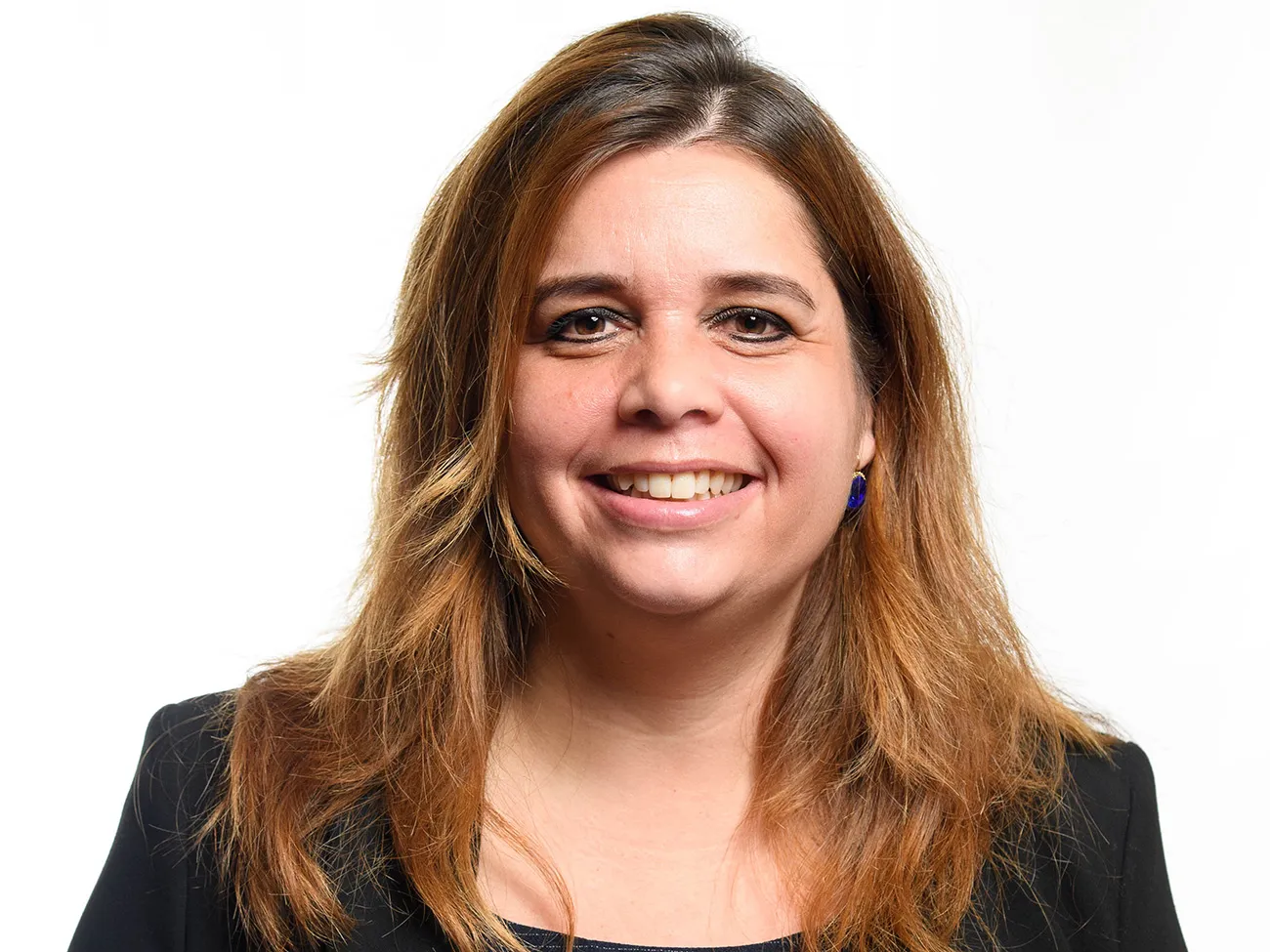
It is a familiar refrain: what young people learn at school does not always ‘match’ what is relevant to the day-to-day realities of working in the industry. Fortunately, there are plenty of initiatives working hard to bridge that gap. And with success. One example is Koninklijke CBM. We spoke to Jeroen Meenink, coordinator of the Twente-Salland partnership, and Angela Karsoredjo, who is responsible for all the partnerships within CBM. “We are now focusing on different competencies than we were 20 years ago.”
How can we tackle an ageing workforce in our sector?
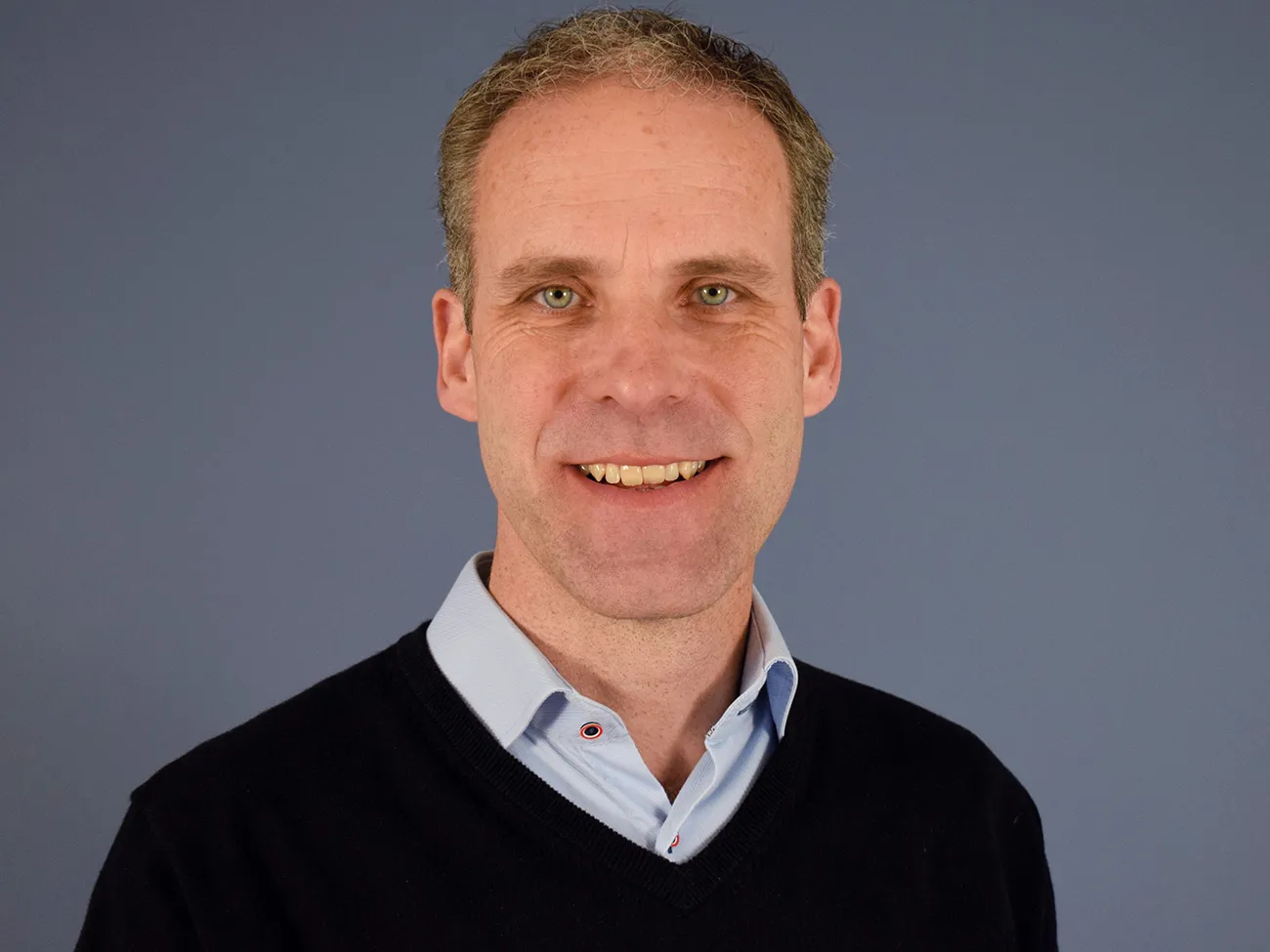
“Our mission is simple,” says Jeroen. “We need to make the furniture-making trade more attractive. We see that many parents would prefer their children to attain the highest possible level of education. Somehow, making furniture and interiors does not feature in their mindset. It is our job to introduce young people to the trade. Give them the chance to discover that you can create something genuinely valuable for others and that it takes a lot of skill to do so. In short, working as a furniture maker calls for both intelligence and practical skills.”
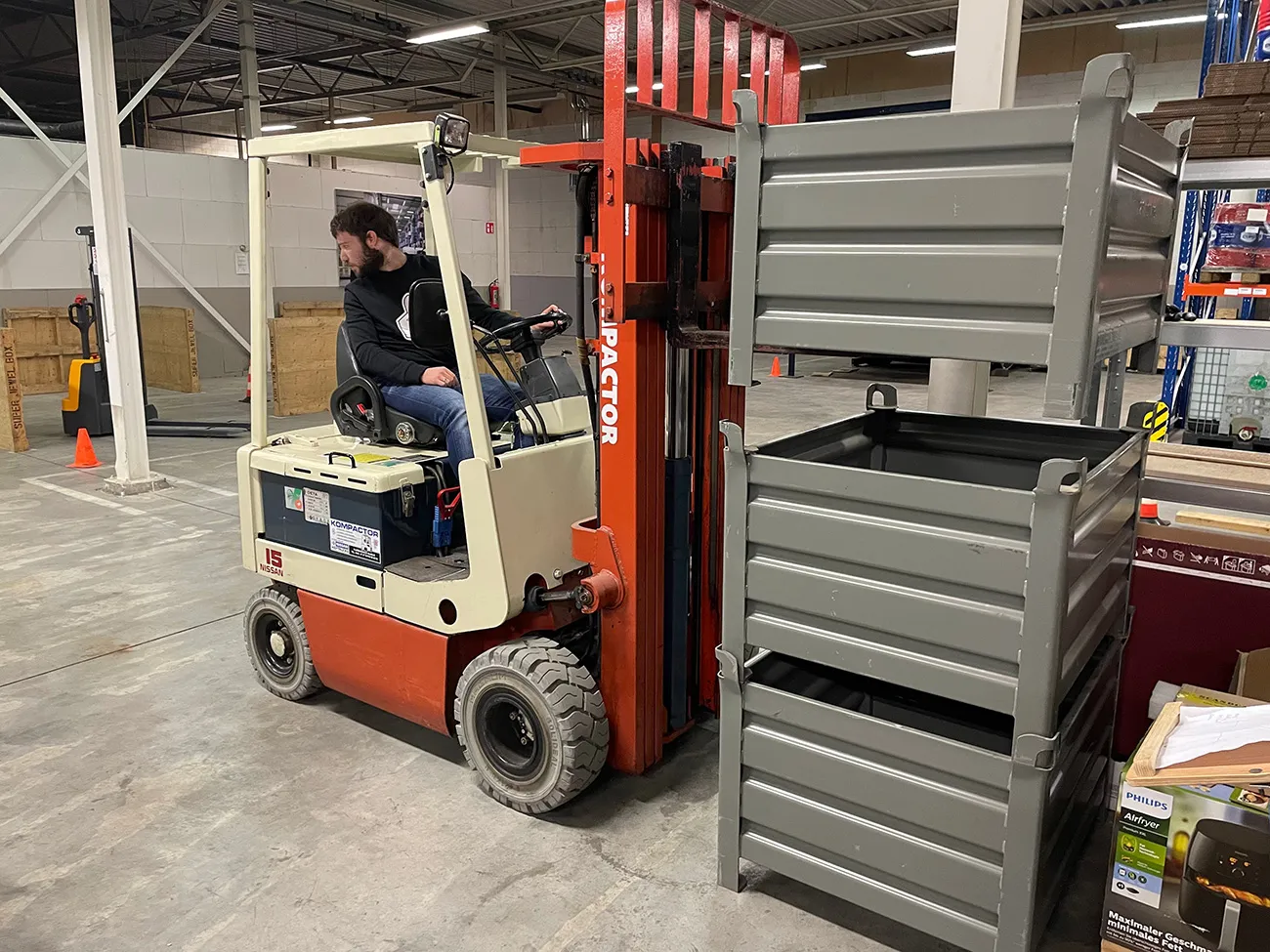
According to Angela, it is important that trainees do not have just one mentor. “In the training programmes we offer through our partnerships, young people usually work at three different companies. The great thing is that this also gives the companies the chance to meet several young people. Alongside the training, we offer a range of additional workshops through the partnerships. These include CNC courses, forklift training and the chance to gain a VCA certificate, for example. The scope is broad: ultimately, we prepare young people who are well trained, have gained experience in various areas and have discovered their own talents along the way.”
The big question is whether employers, or prospective employers, have enough time to support the young people. “We do ask companies to commit. But at the same time, they do not see it as a problem. Companies understand the importance of contributing to young people’s training. Of course, they must be recognised as practical training providers. But it is our responsibility to give them and the young people clear guidance they can put into practice. Our regional coordinators are in close contact with them. We also take care of all the administration and HR. It is not unusual for trainees to go on to become permanent employees at the company.”
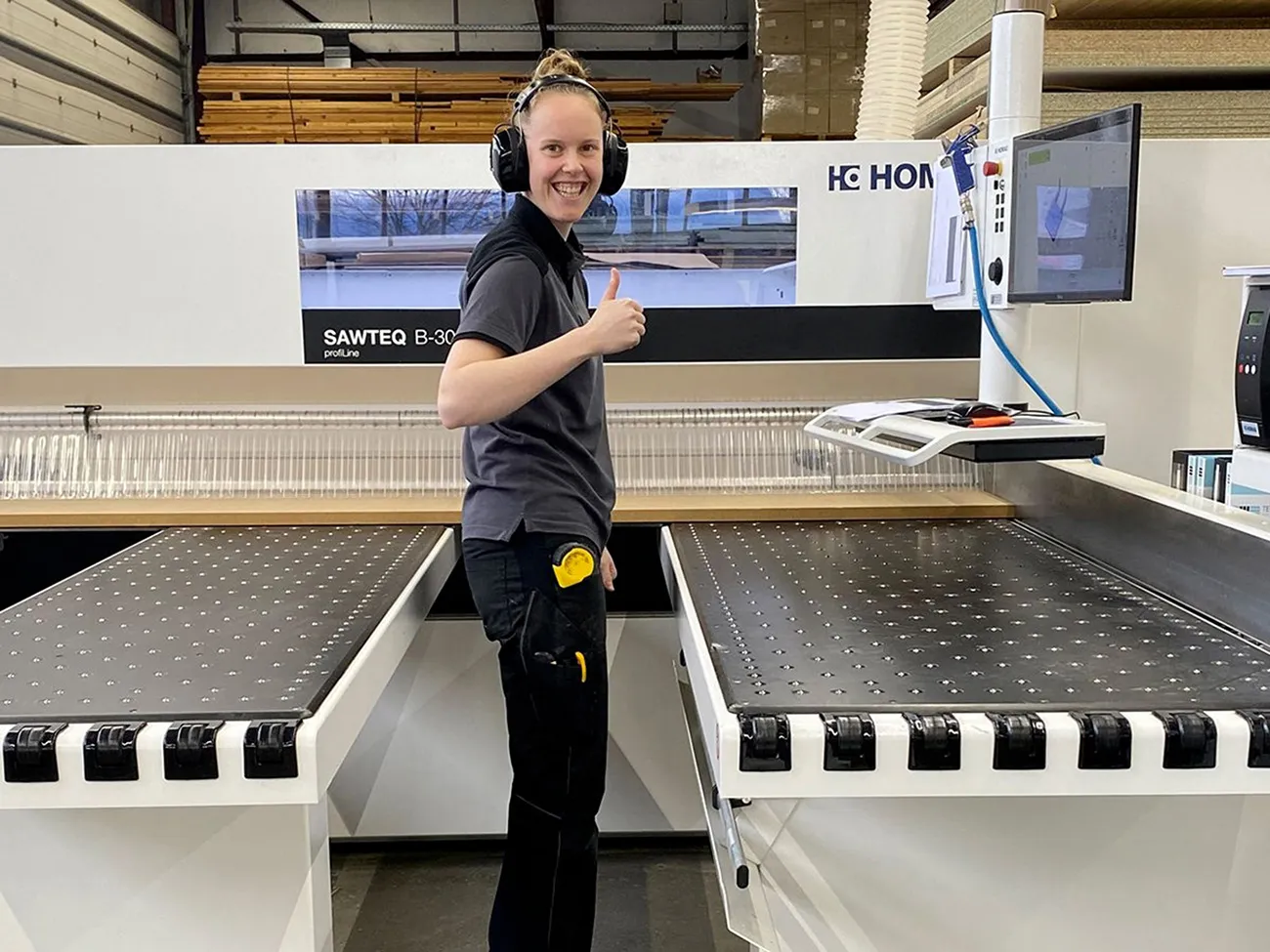
Angela says they are in constant contact with companies to get a clear picture of their actual needs. “The world is changing faster than ever. The furniture maker of 2030 will be very different from the one of just a few years ago. They will only be successful if they have knowledge of modern techniques, methods and automation. And will they be able to channel their creativity through their knowledge of robotics? Are they encouraged to be bold? And is a furniture maker also a little headstrong?”
“We are working hard on this in our programmes. The sector is facing an ageing workforce, after all. We really need an influx of new furniture makers. If we want to maintain our creativity and capacity for innovation, we must do everything we can to show young people that ours is a fantastic, challenging and creative trade that can take you a long way!”
Question about this story? Ask your question
Keep following this
Get an email when a new story is published. No account needed.
- ThemeRunning an interior fit-out business
- SubjectGeneral







