











Where interior design, fit-out, branding and hospitality come together
Text Bas GoedvolkImage Creneau International
Hospitality starts with design
Dirk van de Haar got his first taste of hospitality work at the age of sixteen, in a café in his hometown of Valkenswaard. After spells in New York and Curaçao, among other places, he ended up in Dubai, where he became hospitality director at Creneau International. Recently, Van de Haar and colleagues opened Roca House on Ibiza: a restaurant, café, bakery and shop all in one, as well as a place where you can take yoga classes. In an interview with the hospitality expert about his approach, his vision and the threats and opportunities facing the sector, he puts it bluntly: “If we’re not careful, unique hospitality businesses will die out, leaving only uniform, efficiently run chains where you order your food online, but all personal attention and craftsmanship have disappeared.”
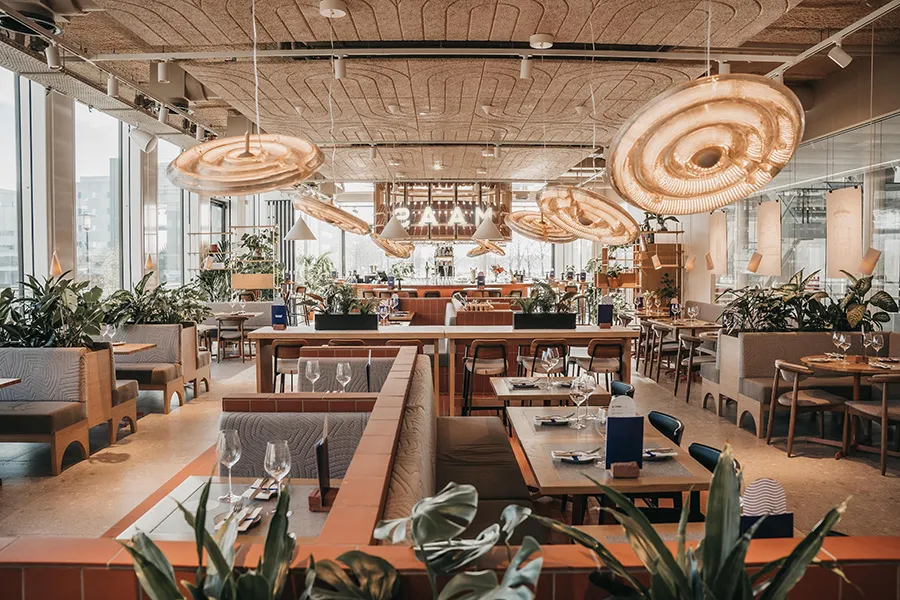
Van de Haar is a hospitality professional through and through. He studied at the Hotelschool in Eindhoven, followed by the Hotel Management School in Leeuwarden, and has an impressive list of names on his CV. He has worked for cafés and restaurants such as de Dikke van Dale and for Hotels van Oranje in Noordwijk, as well as for Intercontinental in the United States. In 2008, Van de Haar landed in Dubai, where he became hospitality director at Creneau International, which, alongside interior design, fit-out and branding, also operates its own restaurants and cafés. Van de Haar says: “That is our strength and what sets us apart from our competitors. Because we run our own food and drink venues, we know what matters and understand the challenges our clients face. In the Netherlands, where we also have a Creneau office in Eindhoven, these include companies such as the Carlton Group, La Place, Vermaat, Albron, ING, Ahold, HMS Host and Center Parcs, as well as unique restaurants such as
Chez Margot in Roermond, Saam in Maastricht and Zuiderzoet in Zeewolde.”
Timeless
In Dubai, Van de Haar started modestly, setting up his first Belgian Beer Café. The concept can now be found in eighteen countries, including two locations in the Netherlands. “A timeless design, and therefore an attractive proposition for investors,” says Van de Haar. He went on to help two other Creneau franchise chains, Maison Mathis (bistros) and Cho Gao (Asian cuisine), open their first locations. Those restaurants can now also be found around the world.
God is in the details
Asked about Creneau’s success, Van de Haar points to the key role of the pre-process in the way they work. “First, we carry out research on site, talk at length with the client, draw extensively on the science of psychology for guidance, and think everything through in advance. Not just the food or drink, but also the interior, service, website, social media and marketing.
We look for a concept that is not only beautiful and high-quality, but also creates a place where people can work comfortably and efficiently. A bar in the right position to reduce the number of steps staff need to take. Or a compact kitchen laid out so that people can still work in it efficiently and comfortably. And so-called details, too, such as how the coffee is presented, what crockery it is served in and what the staff member who comes to the table is wearing.”
Michelin-star quality
Van de Haar says: “Take Roca House on Ibiza, for example. We spent more than two years looking for a location and eventually found the perfect spot beside the golf course, in the heart of the island’s beautiful countryside. Here, too, we thought everything through in advance, from A to Z. The result is a restaurant with very reasonable prices, especially for Ibiza, but with a former Michelin-starred chef in the kitchen and dishes of Michelin-star quality. It offers outstanding service, a place where you can spend the whole day and, to top it off, do your shopping so you can skip the supermarket. In our marketing, we deliberately kept our distance from Roca House and wanted to celebrate Ibiza with beautiful images of the island. It was a mysterious approach, and at first potential customers did not even realise we were a restaurant.”
Vision for the future
Asked how he sees the future of hospitality, Van de Haar sees a horizon full of challenges: “On the one hand, you have my generation and older [Van de Haar is 42, ed.] who still greatly value personal service and attention. On the other hand, there is a younger generation with very different expectations. They like to order online in advance, want to eat as quickly as possible and do not want a waiter asking how they are or explaining how the wine acquired its distinctive mineral flavour. For investors, generations Y and Z are no problem: you can get by with far fewer staff and cut costs. But if we’re not careful, unique hospitality businesses will die out, leaving only uniform, efficiently run chains where you order online, but all personal attention and craftsmanship have disappeared.”
The right staff
It is also getting harder every year to attract the right staff, according to Van de Haar. “When I was young, there was nothing better than working behind a bar. Being a bartender carried prestige. Every day was a party. Now it is hard to find good employees who enjoy creating a welcoming environment and serving others. The hospitality sector is partly to blame for that itself. During Covid, the sector cut its workforce far too drastically. Good employees thought: if my boss treats me like this and cannot offer me any security, I would be better off looking for work elsewhere.”
Hospitality chains
Continually rising purchase prices are another risk for the future, says Van de Haar. “As purchasing becomes more expensive, going out is becoming increasingly costly. If consumers’ salaries rose in line, that would not be a problem. Unfortunately, they do not. People are increasingly unable to afford eating out. This, too, threatens to affect diversity. The typical café, sustained by the charm of its owner, or the restaurant launched by an up-and-coming, experimental top chef who took out an additional mortgage on their home, will disappear if we are not careful.”
Entertainment
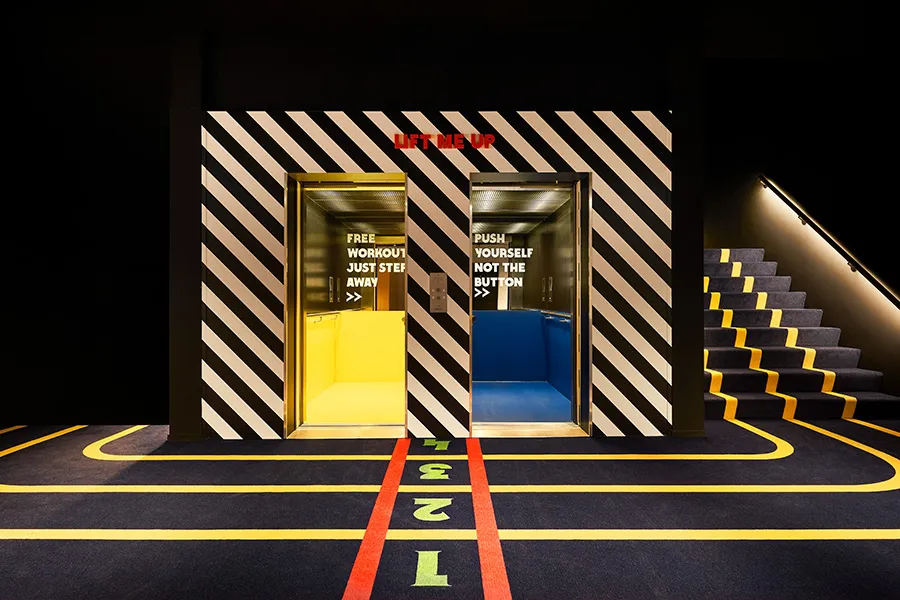
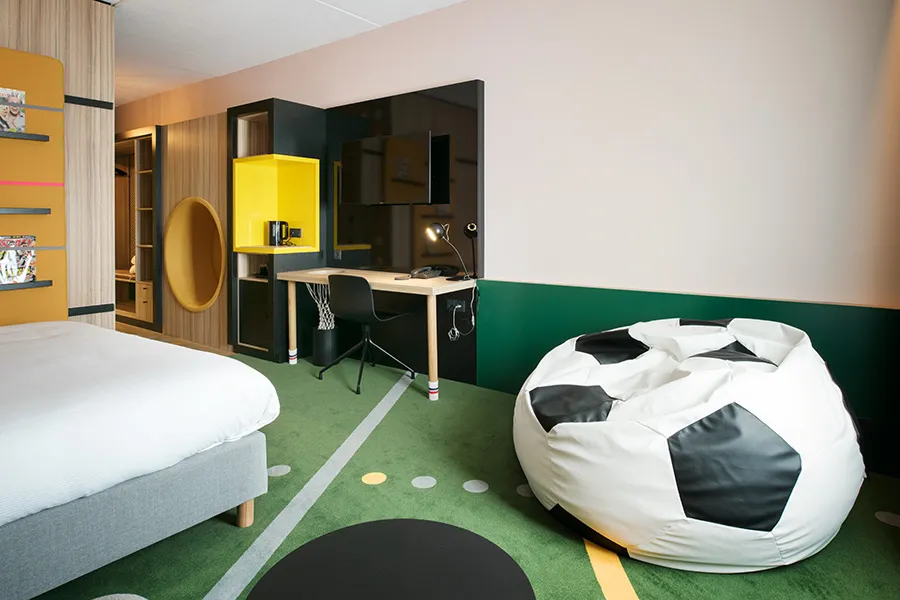
One final development Van de Haar has noticed is a trend that has been around for a little while and is gaining ground: combining food or drink with entertainment. “Take Flight Clubs darts venues in England or Swingers Crazy Golf in the US. Very successful concepts. We sometimes think about setting up something like that ourselves. In a sense, we have already done something similar with Hup Hotel in Eindhoven [the best-performing part of the Carlton Group in the Netherlands, ed.]. At this hotel, which is surrounded by sports facilities, everything encourages sport and exercise. For example, the tables have a hole with a basketball hoop above it, so you can throw scrunched-up paper through it instead of using a bin. Children go wild when they come here, but Roca House, of course, also offers plenty beyond food and drink.”
Question about this story? Ask your question
Keep following this
Get an email when a new story is published. No account needed.
- SubjectGeneral







