











‘Wood should last as long as it takes to grow’
Text Jerry HelmersImage Boerboom Hout Groep
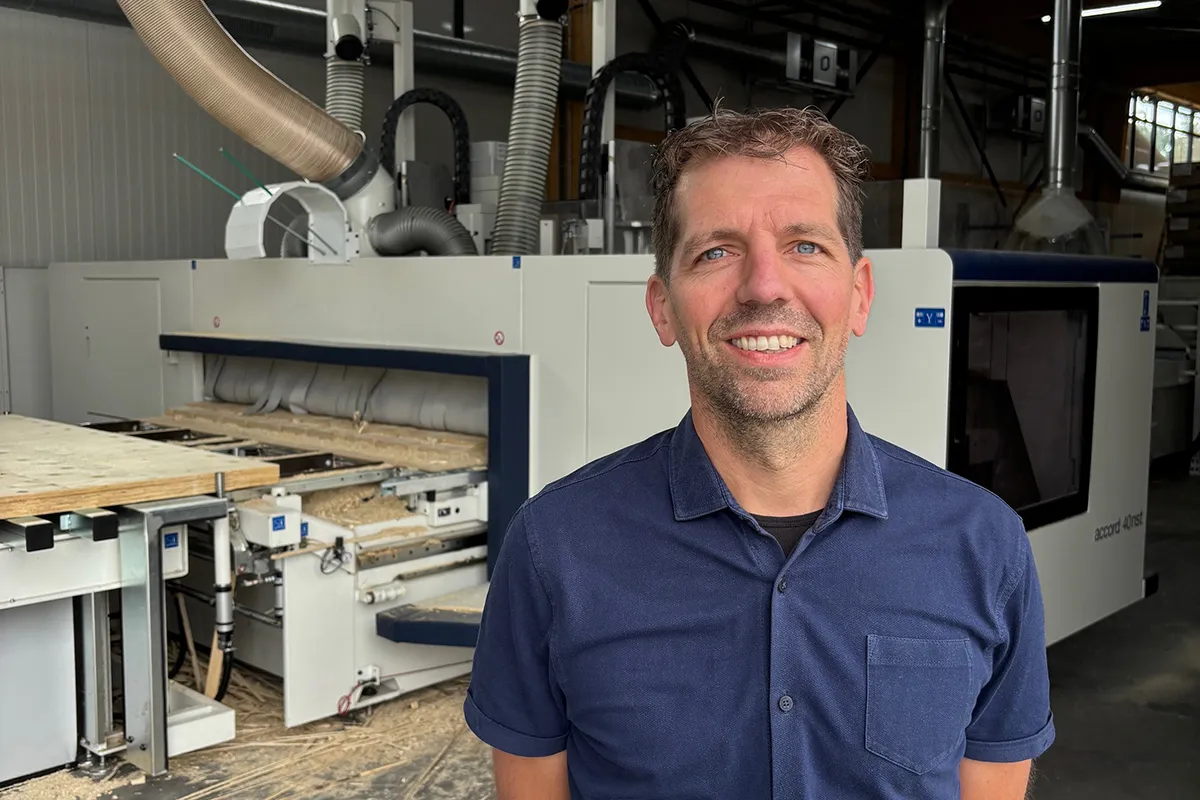
Perhaps it is high time we finally came up with an ultimate, all-defining definition of ‘sustainability’. Everyone uses the word. But what does it really mean? We put the question to Bas Boerboom, managing director and owner of Boerboom Hout Groep in Bergeijk: what is sustainability? “Plain common sense,” says Bas. “Using energy and raw materials responsibly in the products you make, and ensuring that a wooden object lasts longer than the trees felled to make it.”
“The drive for sustainability is primarily about reorganising the supply chain,” Bas continues. At Boerboom Hout Groep, they do this as well as they can. “We always take a long-term view. That is why promoting wood as a material is a priority. Our innovation lies in the everyday products we make. The question we ask ourselves is: ‘How can you make products out of wood?’ Wood is still far too often a by-product. Our ambition is to influence product developers.”
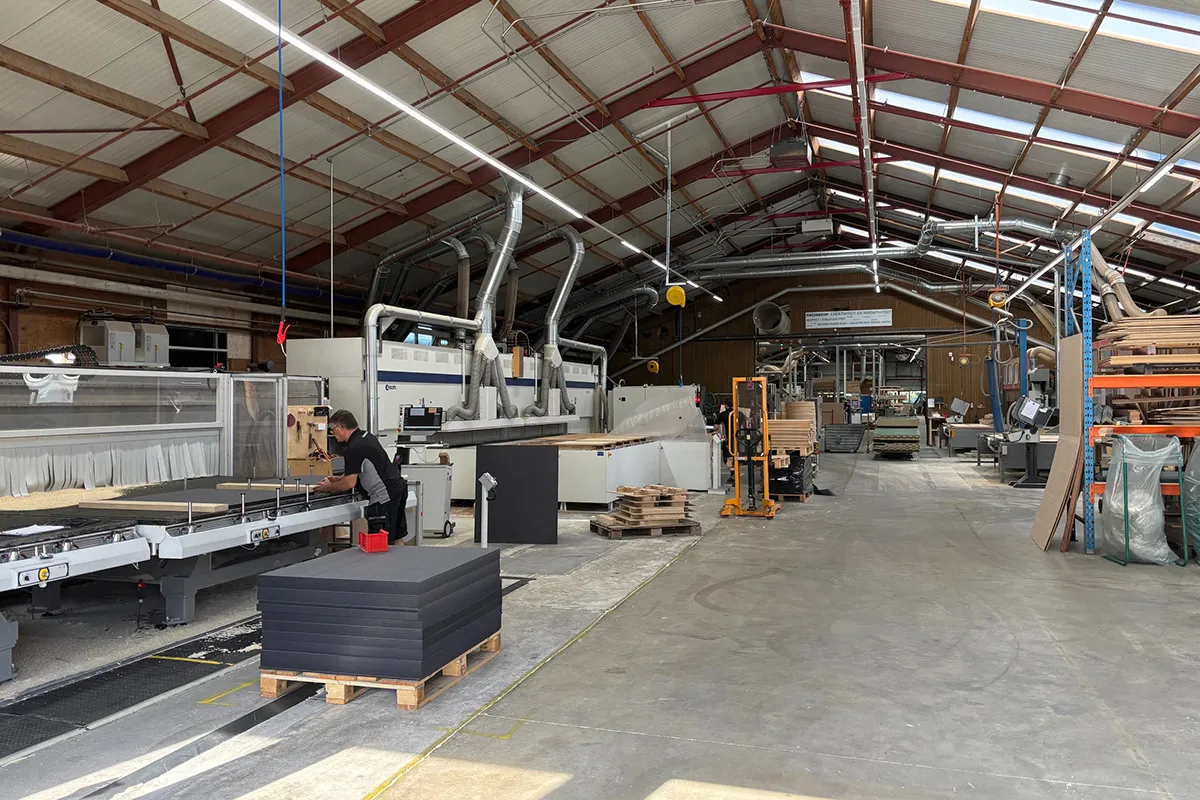
Bas is convinced that demand for wood will increase. “People feel the urgency. What is more, felling forests has always had a negative image, as if it means wood is lost. But if you assume that wood can be used several times, then wood is worth more than the forest it came from. If you can extend its useful life so that it lasts considerably longer than the time it takes a new tree to grow and replace the one that was felled, then on balance you are making a positive contribution. As far as we are concerned, society needs to move much further towards reuse and recycling. And yes, that applies to interior construction and fit-out too. It can start with small things. Do you choose to glue something, or use screws to join different panels? With solid wood, you can often give a product a third, fourth or fifth life. That is where the opportunities lie.”
Reuse
According to Bas, the focus in both industry and the supply chain should be much more on demand for reused materials. “The fact that this is not happening is still a real thorn in my side,” he says. “My credo? Start with solid wood. Make your first product as high-quality as possible. Wood should last as long as it takes to grow.”
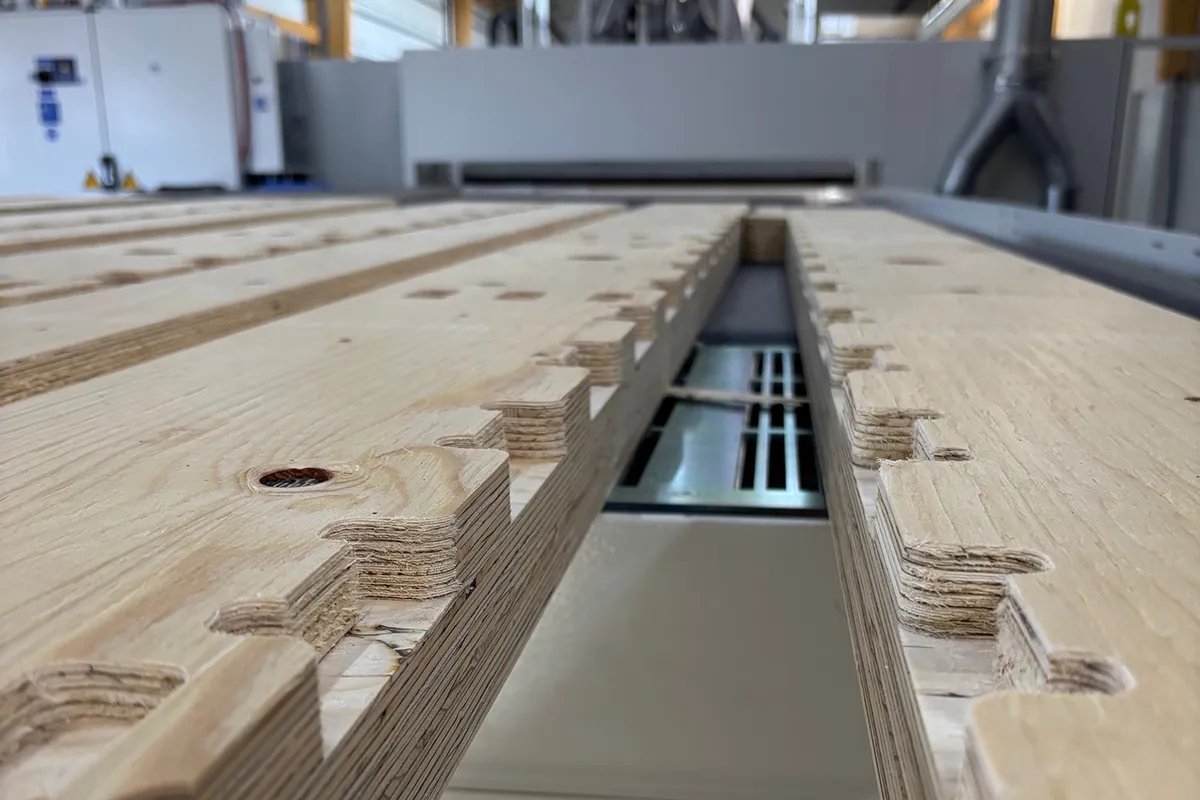
Asked whether he sees himself playing a major social role in this, perhaps as a catalyst, Bas is not really sure. “Look, in a sense we are already being forced to consider the ultimate in reuse. We are based in a high-wage country. We have to compete with everything coming into our country from low-wage countries. But products from those countries are often designed for single use. Disposable products, in other words. If we can give wood several lives, we can compete with those low-wage countries in a very smart way.”
Should a chain for returned wood then be set up in the Netherlands? After all, where can consumers take their wooden table when they have bought a new one? Bas laughs. “Well, you’ve actually given me an idea. To be honest, a good take-back scheme could have a lot of potential. There is nothing wrong with paying, say, €100 for a used wooden table. The consumer benefits financially and, just as importantly, the wood goes back into the supply chain and gets several lives. I’ll give it some thought. Because yes, there are definitely opportunities here!”
Bas Boerboom is managing director and owner of Boerboom Hout Groep
Question about this story? Ask your question
Keep following this
Get an email when a new story is published. No account needed.
- ThemeMore sustainable materials and longer use
- SubjectGeneral







