Improve dust extraction and cut energy costs
Text Tamara BrouwersImage BlastGate
Smart electric blast gates combined with sensors
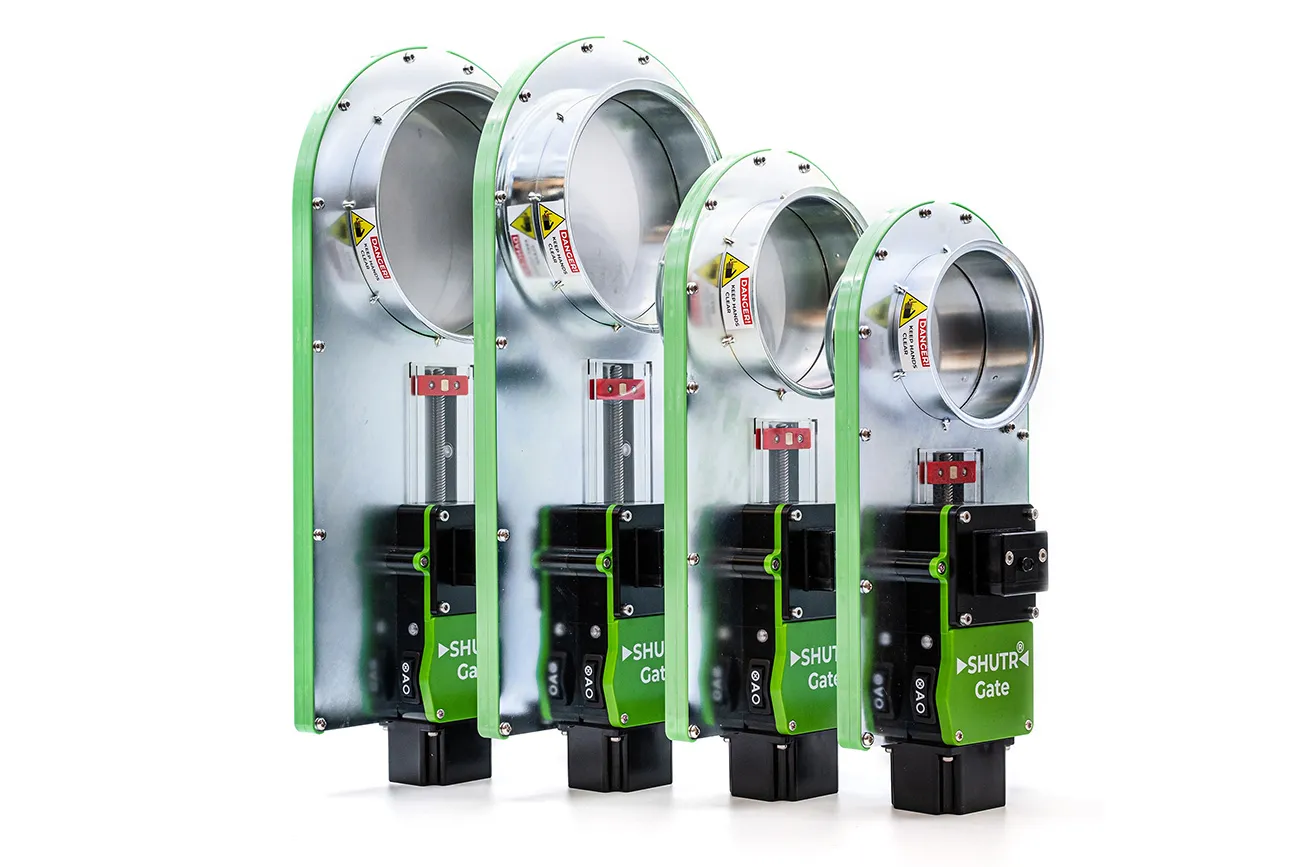
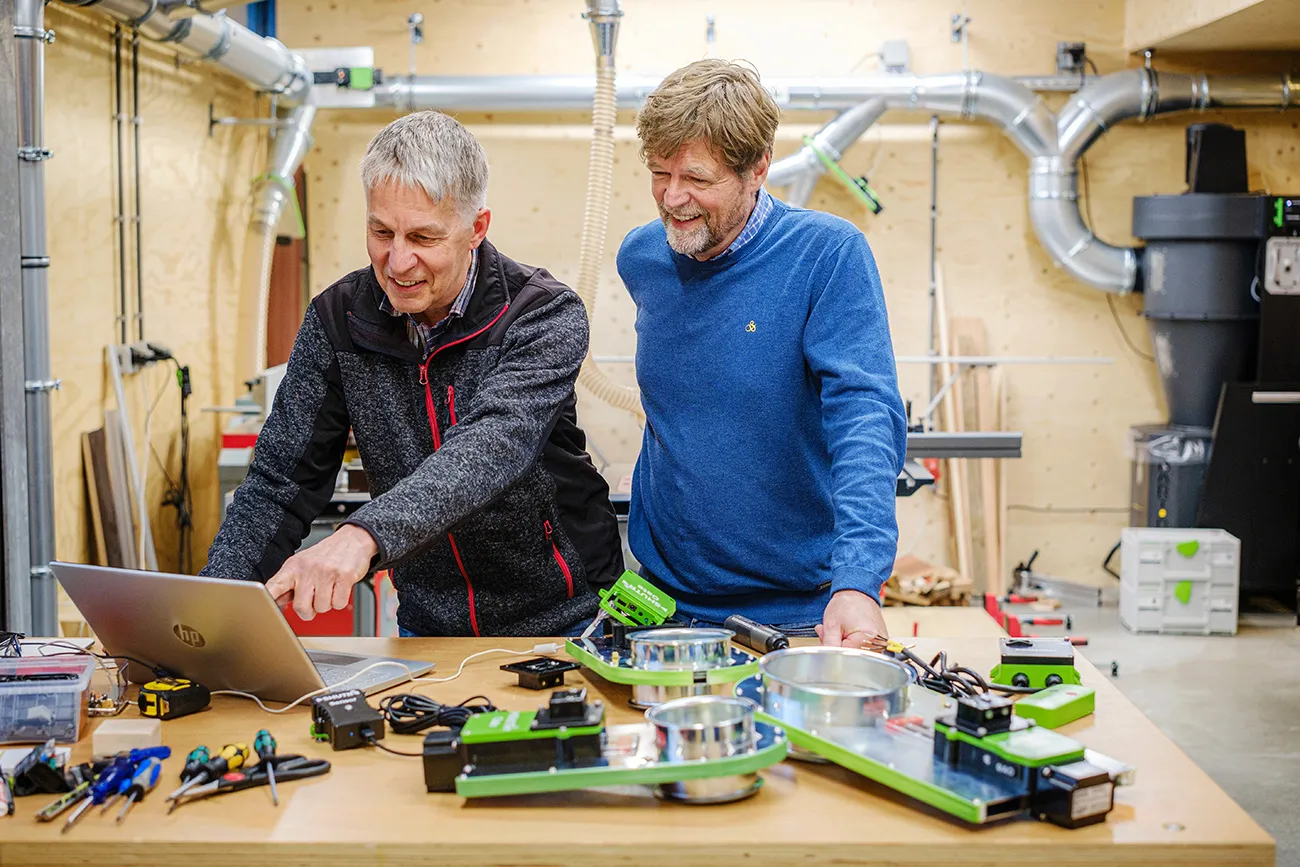
It’s a true passion project. After three years in development, BlastGate.com, a Dutch manufacturer founded by Chris de Jongh, is introducing a system of fully automatic electric blast gates for dust extraction systems to the European market. “Compared with traditional pneumatic blast gates, our system is much smarter and more energy-efficient.”
De Jongh is an engineer by training and came up with the idea while helping to build a woodworking workshop at a youth centre. “A dust extraction system was needed there too, but I saw that the existing
systems with automatic blast gates were impractical and could be improved. It was only when I looked into it that I realised how complicated it is. Dust extraction involves the risk of explosions, and you have to comply with very strict regulations. Our SHUTR blast gates have been developed in accordance with the ATEX-114 standards.”
According to De Jongh, traditional pneumatic blast gates have many drawbacks. “To start with, you need to install a compressed air system, which is costly. In addition to the energy costs of running a compressor, regular maintenance is essential and leaks in compressed air pipes are common. This ultimately leads to extra costs.” Many businesses leave their extraction systems running all day. “That uses a lot of energy, even though extraction is not needed all day. Secondly, people on the shop floor sometimes leave manual blast gates open because it’s easier. As a result, the extractor has to work harder, which uses more energy. Smart blast gates combined with sensors can therefore save on energy costs!”
No more opening and closing blast gates by hand
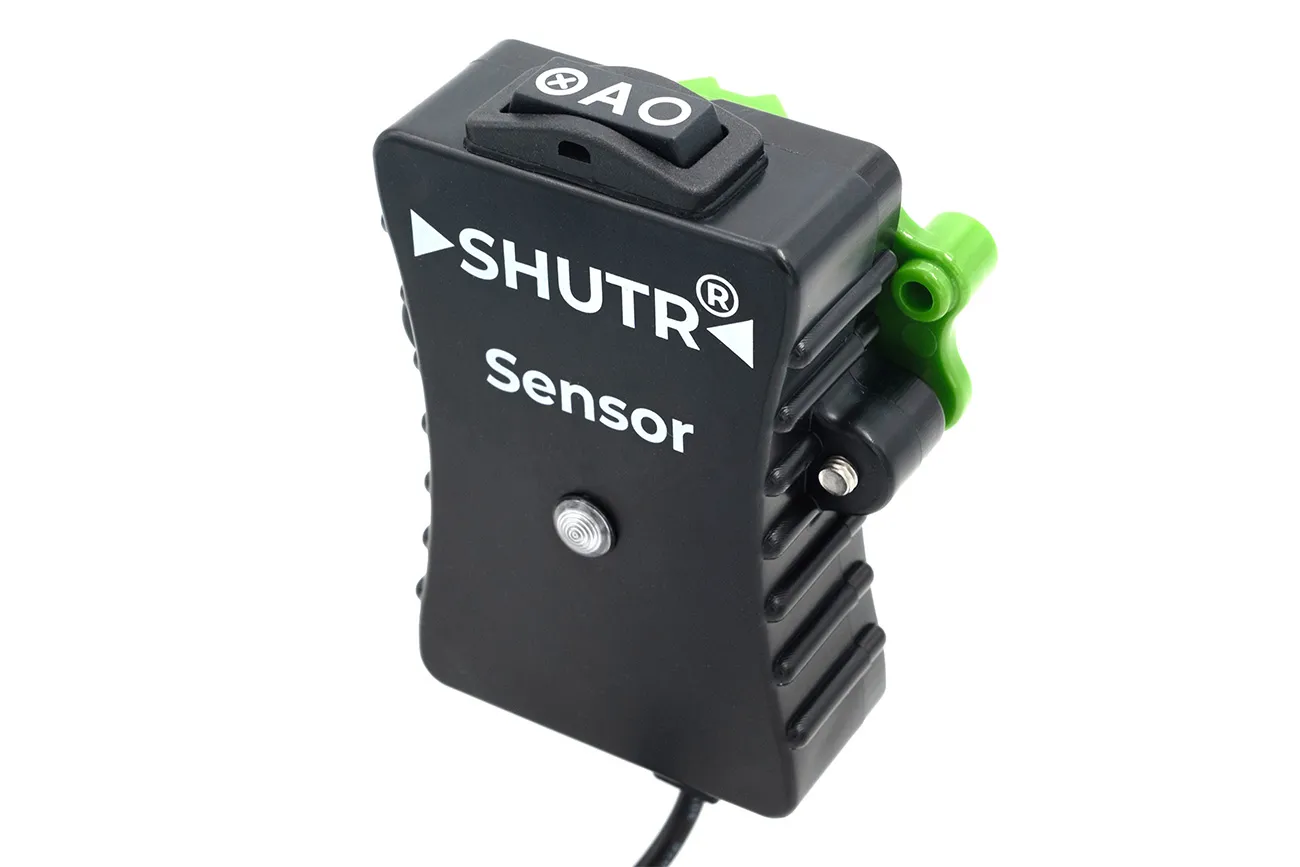
BlastGate.com’s SHUTR system consists of electric blast gates, a sensor that clips onto a machine tool’s power cable and detects whether the machine is on or off, a remote control and a controller. All the components are wireless, so no compressed air or signal lines are needed. “Anyone can install it themselves without any technical knowledge, and we’ve developed a handy app to configure the system.”
When a machine tool is switched on, the corresponding blast gate opens automatically within 2 seconds. The extraction system can also be switched on at the same time. Employees can also switch the extraction system on or off using a remote control. Several safeguards are built in, including a minimum number of blast gates that must always remain open to prevent a vacuum, and protection against a blast gate getting stuck.
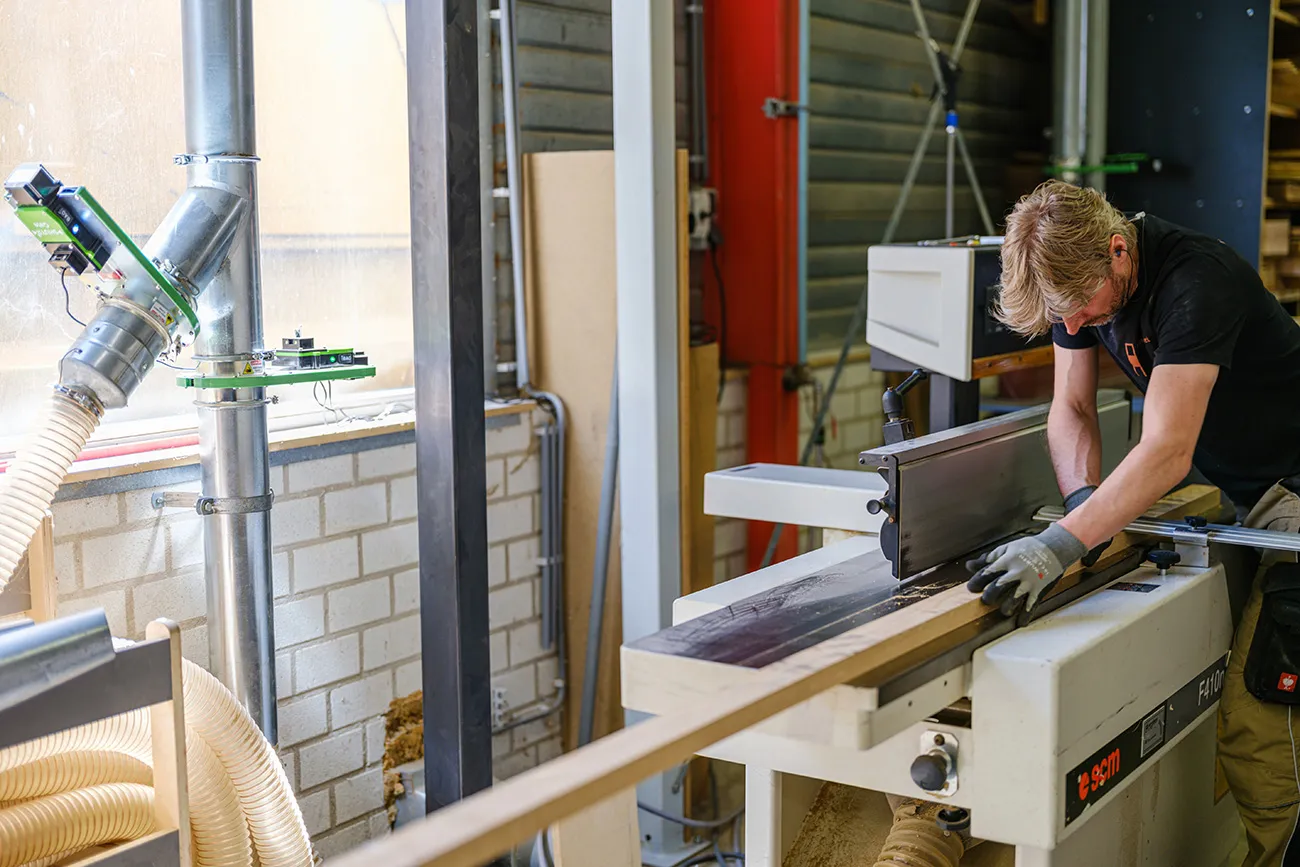
One of the first Dutch companies to use SHUTR is Houtwerk in Beverwijk. De Jongh says: “When I visited the company, I saw that the manual blast gates on a large number of machines were open even though the machines were not in use. When I pointed this out to the director, he then walked through the workshop every day to close them. Thanks to SHUTR, he no longer has to do that. The employees were extremely enthusiastic. The system takes work off their hands, while extraction is now more targeted and therefore more effective. Ultimately, our system is better for employees and reduces energy consumption.”
No single point of failure
Unlike pneumatic systems, De Jongh says, the SHUTR system has no so-called ‘single point of failure’. If the PLC (control unit) or the compressed air supply fails in a large installation with pneumatic blast gates, all the blast gates stop working. In the worst case, production then comes to a halt. With the SHUTR system, all components operate independently, so the failure of one component does not affect the rest of the system.
The SHUTR components and the app developed to configure them can, in principle, be installed and operated by any employee. “Businesses can also hire an installer. Installers are very enthusiastic about our electric blast gates and have all the equipment needed to adapt the extraction ducts quickly if necessary. They can also connect the system to the extractor, if required.”
Question about this story? Ask your question
Keep following this
Get an email when a new story is published. No account needed.
- ThemeMore bespoke work from the workshop
- SubjectProducts