‘Materials and raw materials pass through a succession of users’
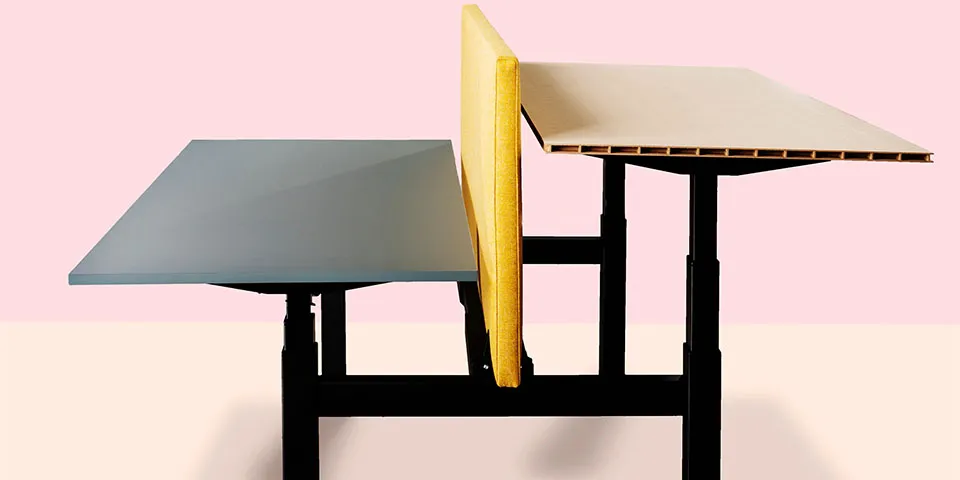
With a worktop that is 100% circular, Dekker Zevenhuizen shows it has a keen eye for finding partners to work with on a green and sustainable future. It has been working closely for some time with Zevenhuizen-based TRIBOO. “The shared goal? A society without waste.”
“Do we fully realise how much waste costs?” asks Marc van der Heijden of TRIBOO. “From now on, I think we should look at waste differently. Or, better still, can’t we define a journey for materials through the supply chain? I’m convinced that we should see raw materials, or materials, much more as carriers of value rather than as cost items. Ideally, materials should be reusable indefinitely. So, if an end user of a desk, for example, decides after a few years that they no longer want to use the worktop, they should be able to sell the material to the next user. There is no longer such a thing as an end user. It’s the other way around: materials and raw materials pass through a succession of users.”
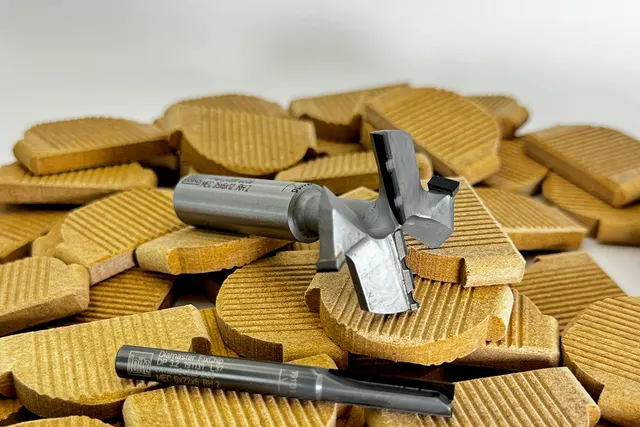
“This approach gives the ‘healthy workplace’ a much more interesting interpretation,” says Ben van Elk, who is responsible for marketing at Dekker Zevenhuizen. “For example, #GREENGRIDZ is a healthy, circular furniture construction panel that can be used to make lightweight worktops with 60% less material. It is a unique innovation for the office sector, with CO2 emissions as much as 60% lower than those of solid worktops. The #GREENGRIDZ worktop is healthy and 100% circular, with no toxic binders, for instance. I see it as an adapter for materials from different waste streams. After its use as a worktop, it takes on a different role or function for the next user. But in fact, the real gains come at the start of the supply chain, where the truly circular production choice is made. That’s #GREENGRIDZ.”
Payment for the value of raw materials
“Only in this way, and with this way of thinking, can we transform previously worthless waste into a valuable raw material, stored in the #GREENGRIDZ savings pot. The user who returns the panels at the end of their useful life is then paid the value of the raw materials. We turn those raw materials into new circular products, keeping CO2 emissions to a minimum.” According to the pair, this development around #GREENGRIDZ is only the beginning.
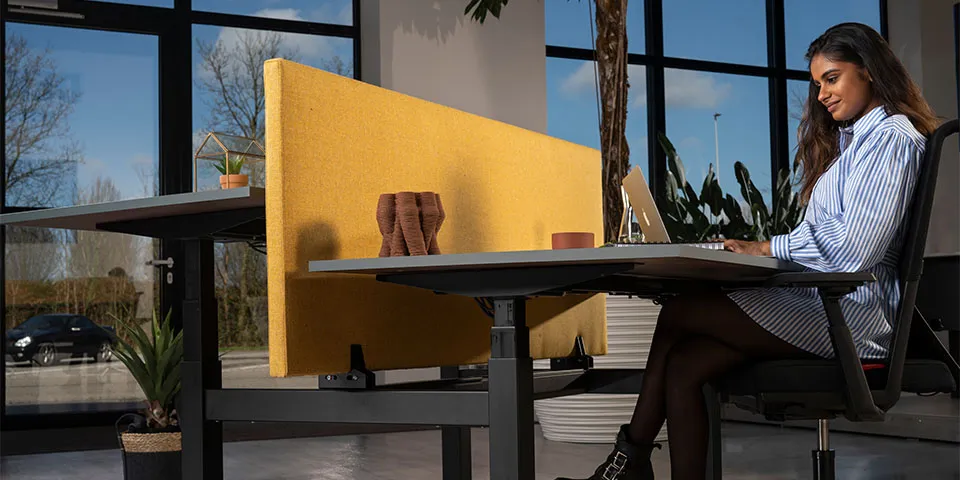
“The bottom line is that we are aiming for a definitive mindset shift in the market,” the pair conclude. “Products will become raw-material banks. Residual value matters more than ever. Buyers will also start taking the future resale value of their purchases into account. In short, it’s absurd that end users have always had to pay for waste disposal. Now they can make money from it.”
Een zakelijke vraag aan Dekker Zevenhuizen? Get in touch
Companies in this story
Keep following this
Get an email when a new story is published. No account needed.
- ThemeMore sustainable materials and longer use
- SubjectProducts
- CompanyDekker Zevenhuizen