Sanding: the essential foundation for quality and durability
Text Tamara BrouwersImage Maiburg
How high-quality abrasives and techniques contribute to the end result
Sanding is an essential technique in various industries, but it does not always get the attention it deserves, says Maiburg. In woodworking, sanding not only creates a smoother finish, but also improves coating adhesion, benefiting the product’s lifespan and appearance. Sanding can also create decorative effects. Maiburg Product Manager Marvin Dutour-Geerling explains: “With the right sanding techniques, every surface can be shown to its best advantage, producing a durable end result.”
Maiburg has been supplying the Dutch market with abrasives from Swiss manufacturer sia Abrasives for almost a century. Alongside a broad product range, the company offers training and demonstrations for professionals. Dutour-Geerling says: “We show professionals how to work more efficiently and effectively with the right abrasives.”
The building blocks of high-quality abrasives
High-quality abrasives consist of several layers, each with a specific function. Dutour-Geerling explains how the components contribute to the durability and effectiveness of abrasives:
Backing: “The backing determines the material’s stability and flexibility. Backing materials can range from paper and plastic to cloth, depending on the application.”
Base coat: this first bonding layer fixes the abrasive grains in place and contributes to a long service life and even wear. “A good base layer ensures consistent performance,” says Dutour-Geerling.
Abrasive grains: the choice of grain determines the end result, ranging from fine grains for wood to diamond for hard materials such as glass and stone. To achieve an even finish, the grains are distributed evenly using electrostatic or mechanical methods.
Top coat: the second layer of binder strengthens the bond with the grains and increases durability. “This makes it possible to work more efficiently and replace the abrasive less often,” says Dutour-Geerling.
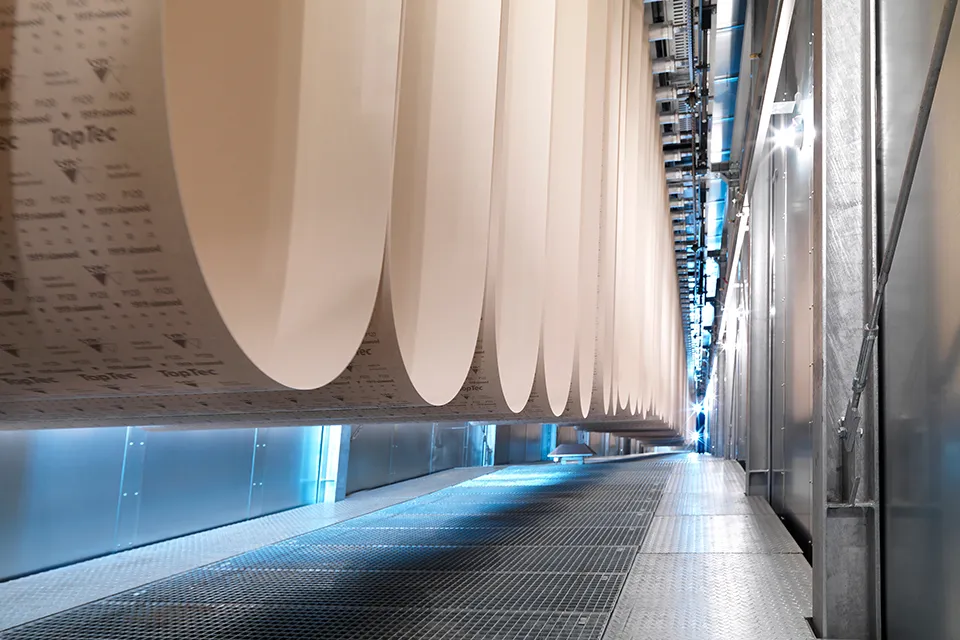
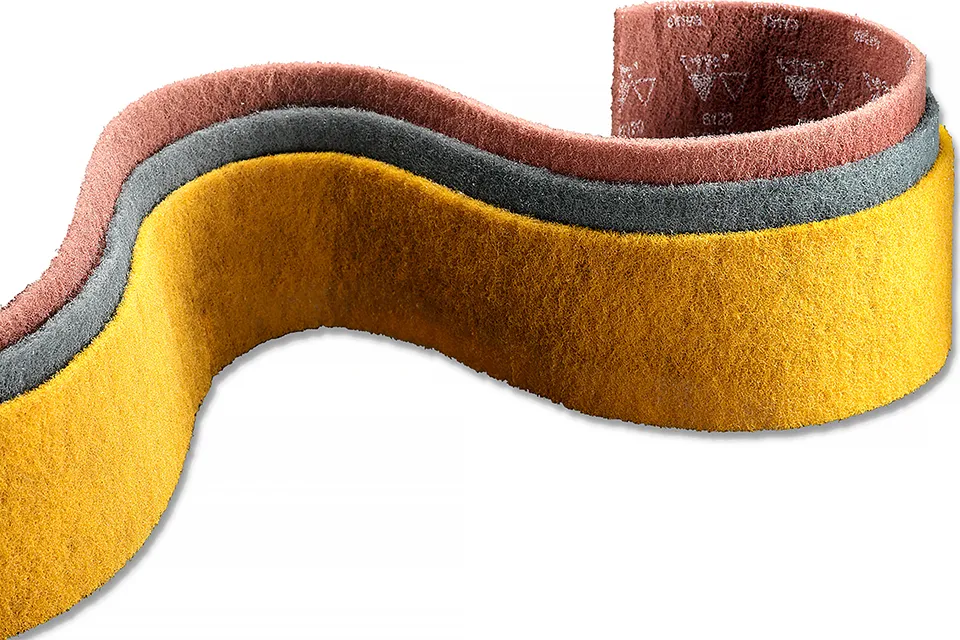
Non-woven abrasives are increasingly used. These versatile products are used to work on surfaces. They consist of a fibre structure impregnated with abrasive grains and resin, creating a flexible, open and durable abrasive material. Non-woven abrasives are used to matt surfaces and create a key for coatings. They do not remove imperfections or damage. However, using them dry or wet between sanding stages and after the final sanding stage delivers the best results.
Innovation in sanding technology
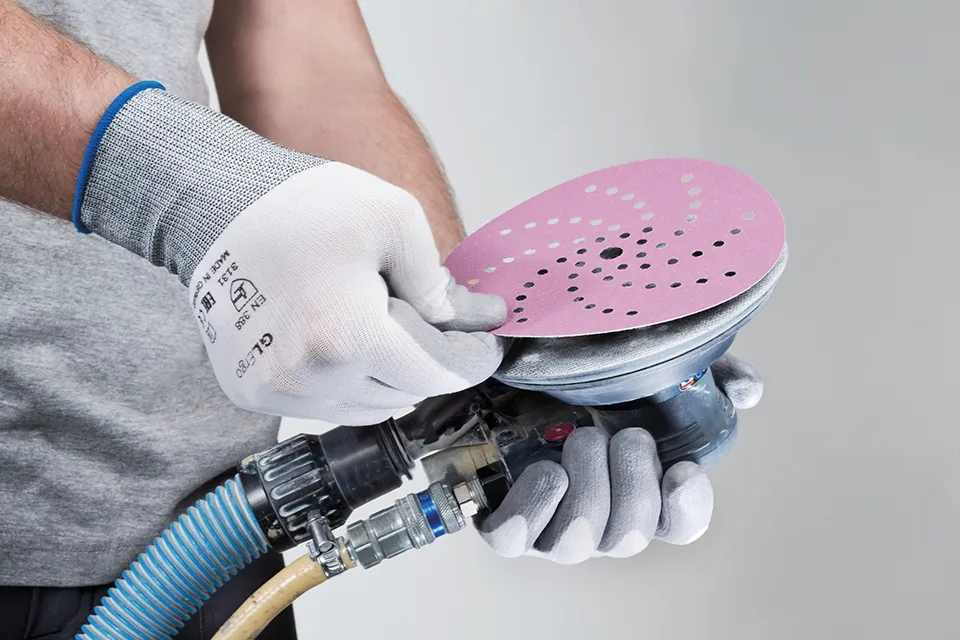
The abrasives industry is constantly evolving, benefiting from technological innovations that enable more efficient, cleaner and more sustainable working practices. “For example, laser-perforated multi-hole discs promote optimum dust extraction, not only speeding up the sanding process but also significantly extending the life of the abrasive. These discs are also easier to use on any machine,” explains Dutour-Geerling.
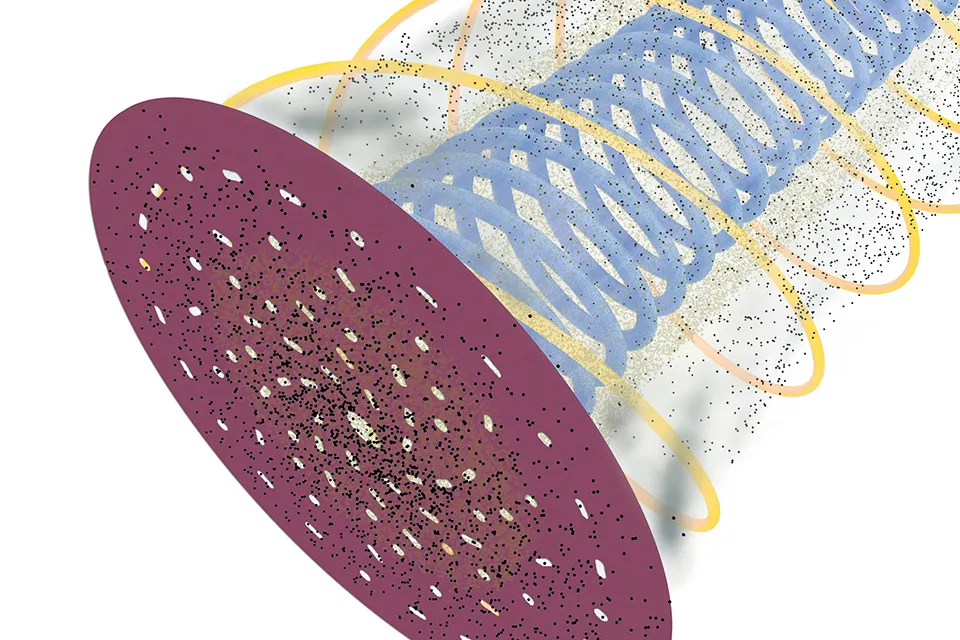
“Integrated dust extraction systems also help prevent clogging, creating a cleaner working environment and an even finish. Modern sanders with sensor technology automatically adjust pressure and speed to deliver consistent results.” Maiburg also notes that professionals are increasingly opting for sustainable binders and natural fibres. This reflects growing demand for environmentally friendly production methods.
Practical sanding tips for professionals
Finally, Dutour-Geerling shares some practical tips for achieving optimum sanding results: “Start with the right grit: use the coarsest grit necessary, but the finest possible. Sanding too coarsely can cause deep scratches that are harder to remove later. Follow a logical progression of grits: skipping no more than one grit at each stage makes it possible to remove sanding scratches more smoothly and quickly.”
This approach is suitable for both machine and hand sanding, each with its own advantages. Machine sanding often produces a more even result, while hand sanding is useful in small spaces and corners. Professionals can contact Maiburg’s sanding specialists for questions and personal advice. They share their knowledge through training sessions in demonstration rooms or on site, tailored to the customer’s specific work processes.
Have a business enquiry for Maiburg? Get in touch
Companies in this story
Keep following this
Get an email when a new story is published. No account needed.
- ThemeDecorative and protective surfaces
- SubjectProducts
- CompanyMaiburg