“Waterborne lacquers are the future!”
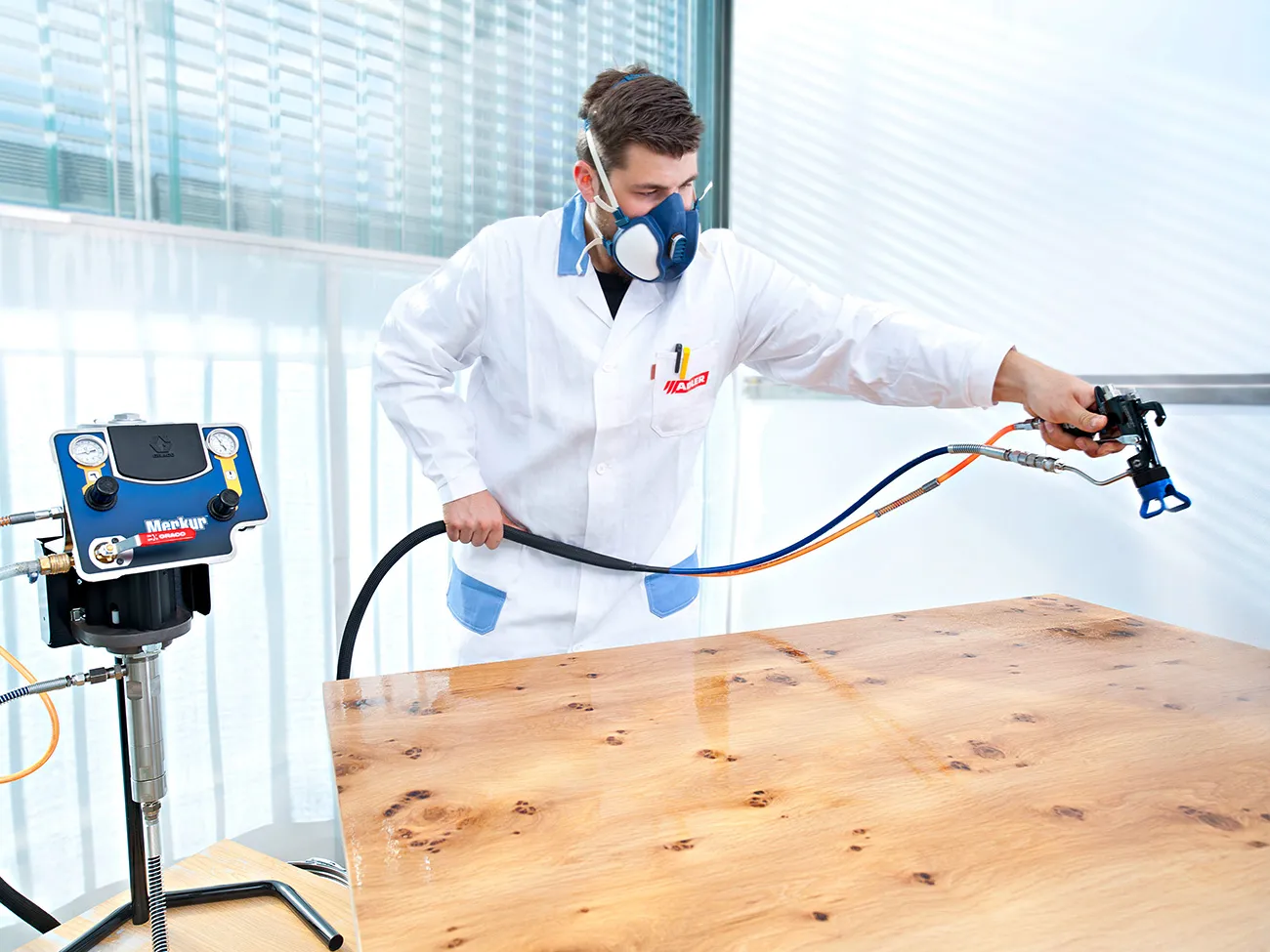
Waterborne lacquers are known to have low emissions and be environmentally friendly. But can they match solvent-based products in terms of surface quality and application? Anyone looking into today’s waterborne lacquers will find that they certainly can, and in some respects they are even better. In this interview, Leon Cremers, Managing Director of ADLER Benelux in Heeze, tells us more.
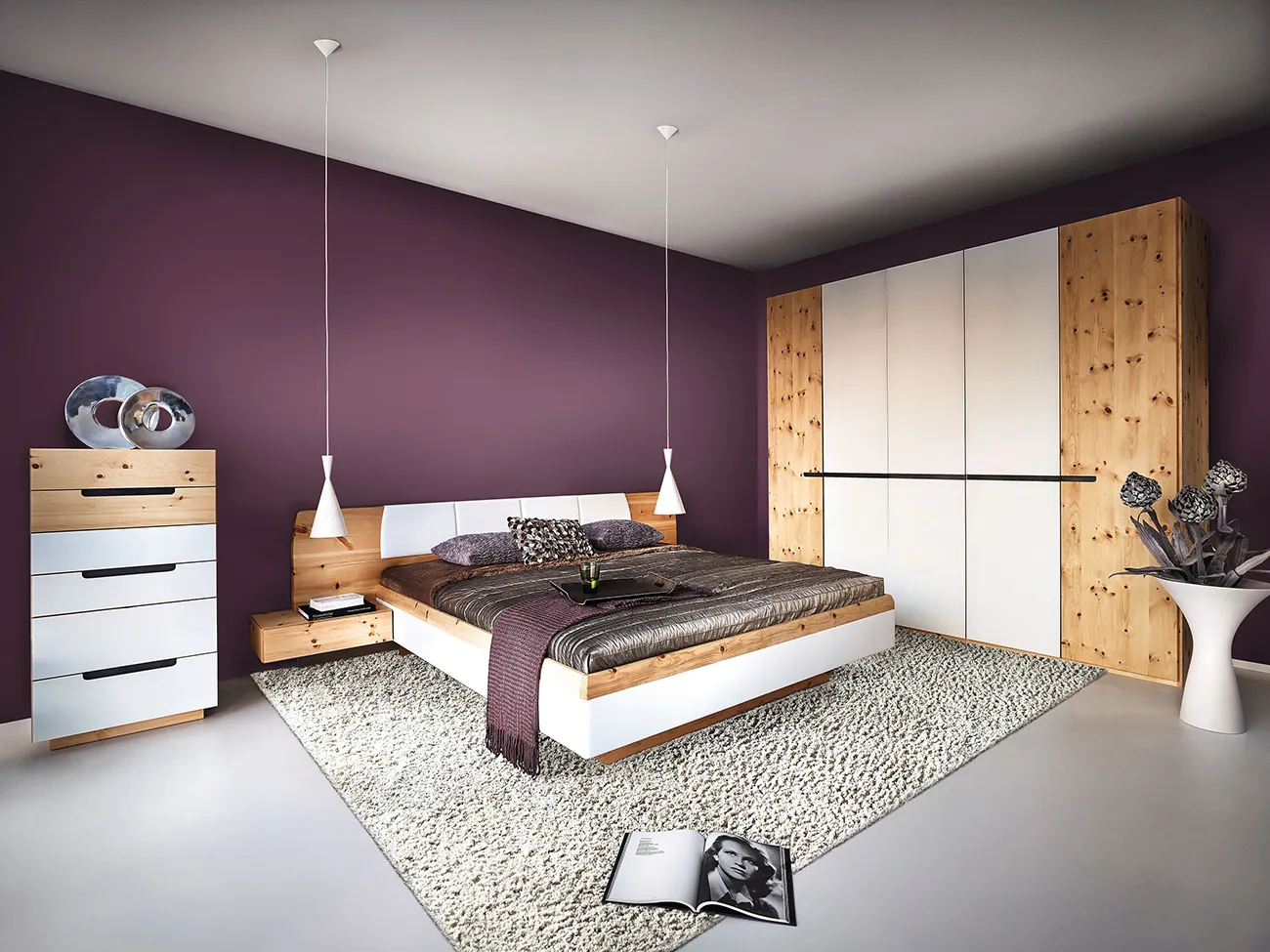
What are the advantages of waterborne lacquers over solvent-based lacquers?
“Modern waterborne lacquers no longer have any disadvantages compared with solvent-based products, but they do offer decisive advantages. First, their low VOC content makes them better for people and the environment. Many waterborne lacquers are also made largely from renewable raw materials. They also offer significant benefits in terms of working conditions for applicators: there is no strong, unpleasant solvent odour during application, the risk of fire is lower and the health risks are reduced, not least because hardeners containing isocyanates can be avoided. What’s more, thinning lacquers and cleaning equipment is much easier, as both can simply be done with water. The disposal of paint residues, filters and cleaning materials is also far less complicated.”
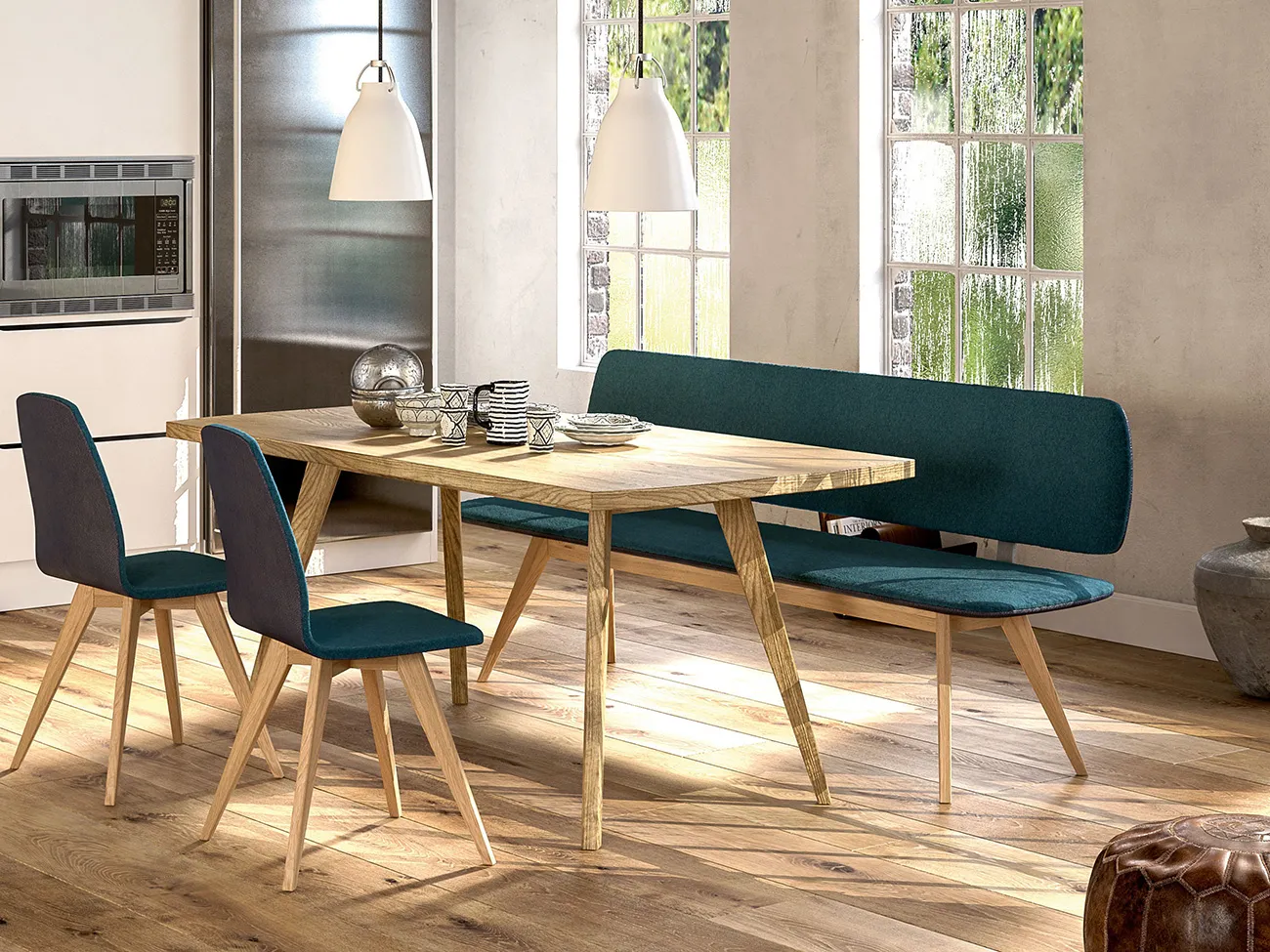
“Waterborne lacquers also offer clear added value for customers. High-quality wooden furniture represents durability and an environmentally friendly indoor climate. A water-based finish is the icing on the cake, so to speak.”
“All in all, the advantages of waterborne lacquers already outweigh the disadvantages, and this will only become more pronounced in the future. Legislation on solvent-based products is likely to become stricter, while customer demand for ecological and sustainable products will also grow. Those who respond to this now and invest in environmentally friendly materials and processes will benefit.”
Is there a difference in quality between solvent-based and waterborne lacquers?
“There are still many misconceptions about waterborne lacquers: that the surface is easily damaged, that application is difficult, that the lacquer dries slowly… That may have been true in the past, but it hasn’t been the case for a long time. Modern waterborne lacquers achieve the same chemical and mechanical resistance as solvent-based products, and in some cases, such as our ADLER Bluefin Resist furniture lacquer, they do so without the addition of hardeners. This is because solvent-based lacquers are often applied as 2K products. Waterborne lacquers are much more flexible: in many cases, one and the same product can be applied as either a 1K or 2K system.”
“Modern waterborne lacquers have also caught up in terms of drying speed. For example, ADLER’s universal furniture lacquer Bluefin Unistar can be sanded after just one to two hours and stacked after drying overnight. And when conditions are right, ideally in a drying room with controllable temperature and cross-ventilation, waterborne lacquers can even dry faster than solvent-based lacquers.”
Is it difficult to switch from solvent-based to waterborne lacquers?
“No, not at all. On the contrary, it is relatively straightforward. A coating system suitable for waterborne lacquers is of course required, but since most modern machines are already made of stainless steel, this is generally not a problem. It is useful, however, to take a course on how to apply waterborne lacquers to best effect. ADLER also offers this kind of training.”
What waterborne lacquers does ADLER offer?
“Our range includes a suitable waterborne lacquer for every application: in any colour, for every substrate and in every gloss level. We also offer a wide range of waterborne effect lacquers.”
Are there price differences between waterborne and solvent-based lacquers?
“Working with waterborne lacquers is more cost-effective. Although the price per litre of a waterborne lacquer is slightly higher, applicators ultimately spend less because they use less lacquer. When a waterborne lacquer is applied as a 1K product, users can save up to 15 per cent. This price difference will grow in the future as solvent-based lacquers become increasingly expensive.”
Question about this story? Ask your question
Companies in this story
Keep following this
Get an email when a new story is published. No account needed.
- ThemeDecorative and protective surfaces
- SubjectProducts
- CompanyADLER Benelux BV