When it came to glue, it used to be a real animal affair…
Bonding all kinds of things is as old as humanity itself. It is a bit of a ‘chicken and egg’ story: did people in ancient times come up with uses for sticky substances when they discovered them, or did they have a burning desire to make things stick together and go looking for solutions? We will probably never know.
What is beyond doubt is that bonding things to create a temporary or permanent bond has long been a very popular way of joining them together. Adhesives could serve a dual purpose: as well as bonding, they could also make textile seams windproof and waterproof. The use of glue was part of the expertise of craftspeople in various trades. Carpenters, interior fitters, furniture makers, bookbinders, musical instrument makers and textile workers all had their own type of glue, specifically suited to their application.
Glue is a natural product at heart
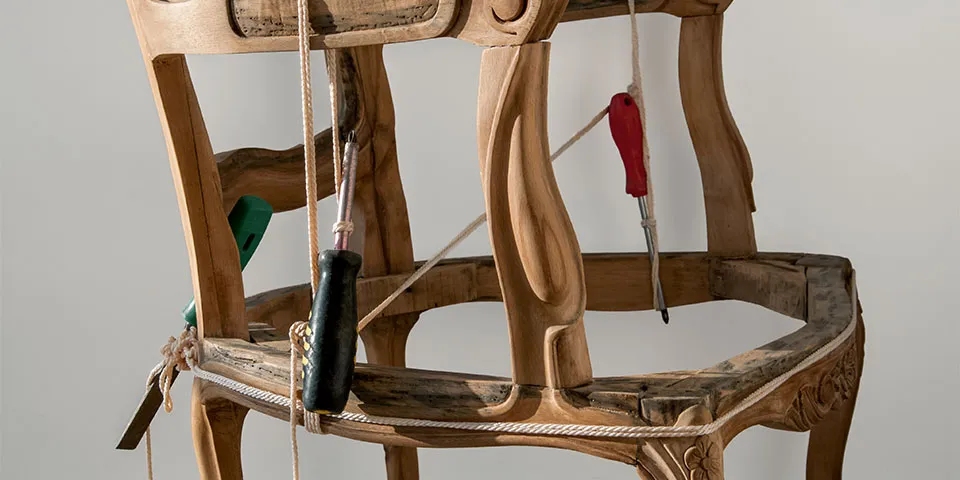
Animal-based glue is still used today in the restoration of antique furniture and interiors.
In the past, the glue industry made collagen-based glue from animal products. This often involved slaughterhouse waste such as bones, but glue was also made from fish remains and leftover animal hides, the so-called hide glue. A wide range of animal species were used to make glue. The names of the different types say it all: alongside bone glue, fish glue and hide glue, there was also meat and nerve glue, as well as hare and rabbit glue. Each type had its own application, depending on its properties. These varied from one glue to another and included, for example, bond strength, permanence, brittleness or flexibility, hardness and drying time.
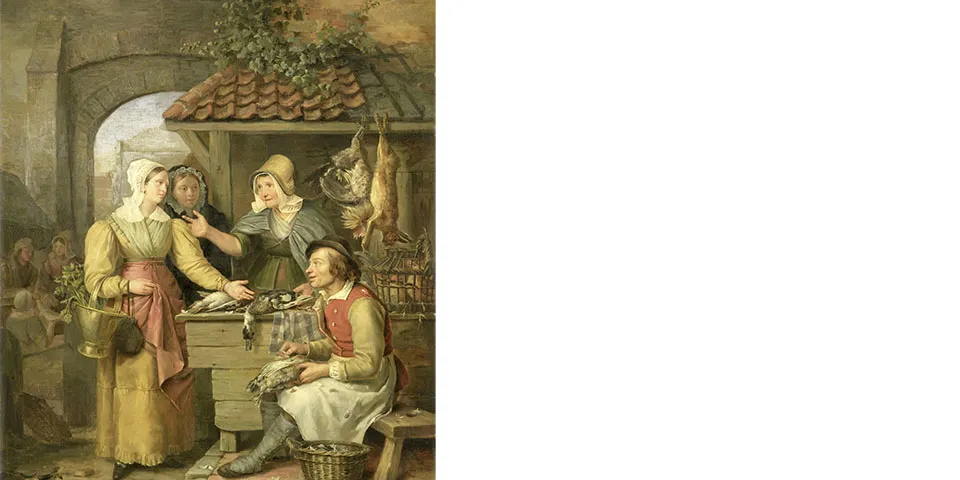
The names of the different types say it all: alongside bone glue, fish glue and hide glue, there was also meat and nerve glue, as well as hare and rabbit glue.
In ancient times, glue was used mainly on wood, in furniture making and musical instrument manufacture. To this day, animal glue can still be preferable to synthetic adhesives for restoration work. In many cases, animal glue can be dissolved by adding hot water or exposing it to heat. A wood joint can then easily be taken apart and remade.
Plant-based glue, too
In ancient times, glue was made not only from animal remains. Potatoes also provided a good basis for making glue. Potato starch was processed into a thick, homogeneous, colourless and odourless glue, which was often used technically as wallpaper paste, as a paper-strengthening agent, for bonding paper bags and for making gummed paper tape. In modern furniture and interior construction, of course, we use the vast range of specialist synthetic adhesives. Bond strength, drying time and initial strength have been tested and determined for us in laboratories. Still, it is good to know that glue was originally a truly natural product.
Furniture and interior restorers who want to stay close to the original methods still use old, traditional types of glue. These are still available from specialist companies. More and more people are also taking up the hobby of making glue themselves in the traditional way, often for ideological reasons.
Question about this story? Ask your question
Keep following this
Get an email when a new story is published. No account needed.
- SubjectProducts