Zero-joint technology: edge banding machines and edge banding
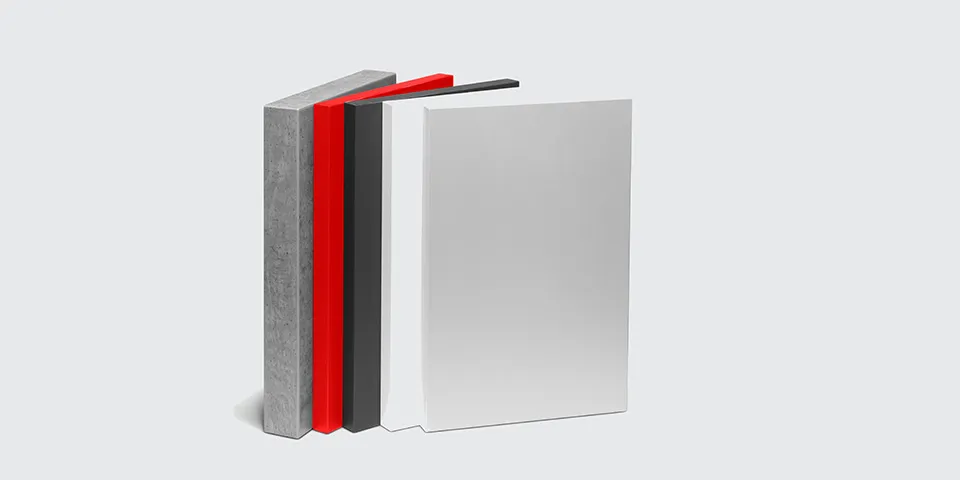
There is all sorts of talk in the market about laser edges, co-extrusion and adhesive layers. But what is the reality? For many interior builders, it is not entirely clear what is actually available. How does zero-joint technology work, both technically and in terms of price? Every reason to talk to Patrick Harink, sales manager and edge banding specialist at Ostermann.
Zero-joint technology, what exactly is it?
“Zero-joint technology is a process in which edge banding is bonded to the panel without hot-melt adhesive, resulting in a visually invisible (zero) joint between the edge and the panel. Manufacturers of edge banding machines have now developed a range of technologies for this. These include laser, infrared and hot-air technologies, offered as options alongside a hot-melt glue station.”
So does that mean you need so-called laser edges?
“Well, no. That is one of the persistent misunderstandings doing the rounds. All sorts of things are being said in the market, including about Ostermann Nulvoegkanten. Customers can hardly make head nor tail of it any more. Edge banding manufacturers, as well as designers, dealers and installers of edge banding machines, still refer to the required edges as laser edges, produced by co-extrusion. But these were developed for large-scale industrial machines using laser technology. It is the result that matters. The aim is to achieve a visually invisible zero joint, which can also be achieved just as well, if not better, with infrared and hot-air technology. What matters is having the right machine settings and edge banding suited to the technology.”
“Drawing on research, testing, development and practical experience with customers throughout Europe, we have developed a dedicated zero-joint edge for each technology: Laser, Infratec and Airtec edges.”
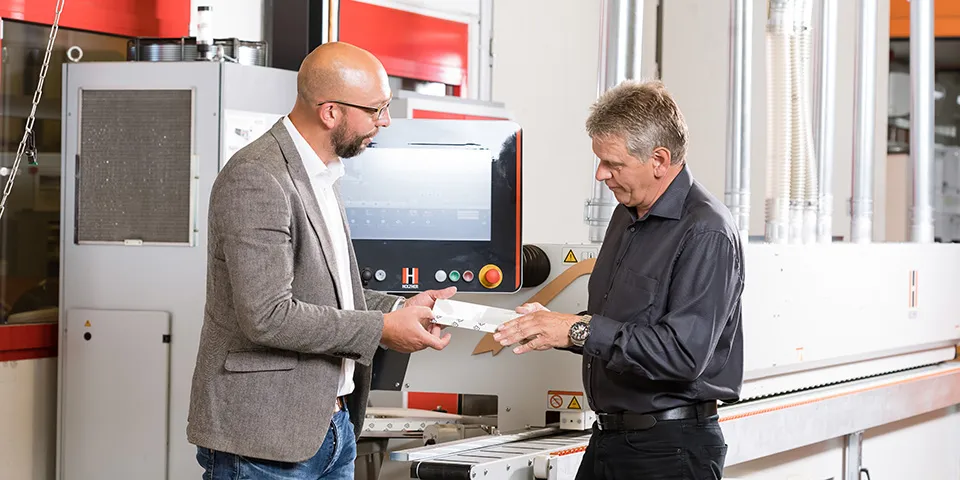
How does it work?
“Each technology, and the zero-joint edge designed for it, involves treating standard edge banding to make it suitable for use with zero-joint technology, using high-quality plastics in different grades. First, there is PO, a copolymer plastic based on polyolefins. These edges require less heat and air pressure to process. They are the solution for first-generation machines with hot-air technology, which produce less energy. Then there is TPU, a 100% polymer made from thermoplastic polyurethane, for edge processing at the highest level. The result is an extremely hard zero joint with greater, long-lasting resistance to dirt, moisture and heat.”
How does Ostermann view developments in zero-joint technology and zero-joint edges for interior construction?
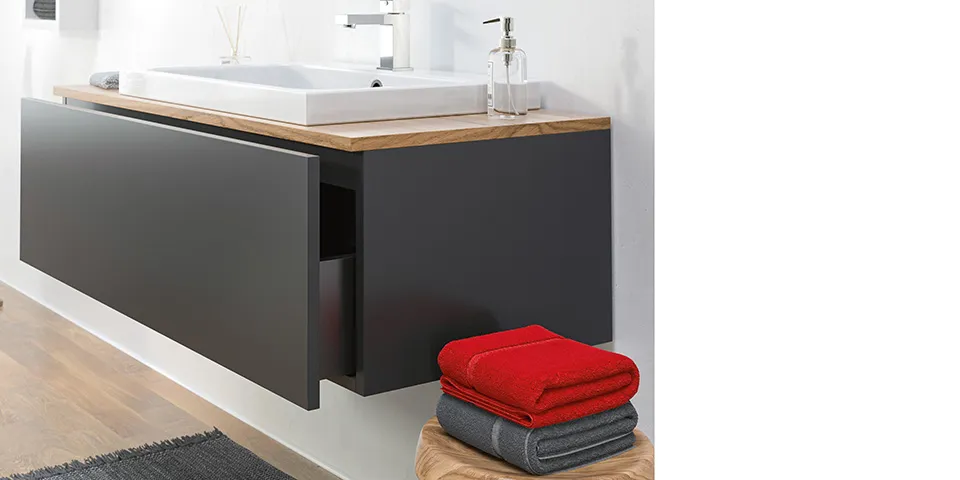
“Zero-joint technology is now an option on virtually every new edge banding machine, alongside a hot-melt glue station. Interior builders offer customers processing with zero-joint technology as an option. It is a higher-quality finish. The price of the edge banding itself does not change. Making edge banding suitable for use with zero-joint technology involves an additional process, for which a surcharge applies.”
Is it difficult to work with zero-joint technology?
“Not at all, but we also support our customers with this. From Bocholt, we are in close contact with all manufacturers of edge banding machines and have practical experience with customers throughout Europe. We stand 100% behind our zero-joint edges. We know the results are genuinely good with the right machine settings, and that is often where things go wrong. If the end result does not meet expectations, the cause is almost certainly incorrect settings. Ostermann zero-joint edge banding is absolutely at least on a par with other zero-joint edges, while Ostermann offers added value as a supplier through convenience, service and delivery times.”
Why should an interior builder choose Ostermann Nulvoegkanten?
“We can adapt our entire stock range for use with zero-joint technology. This applies not only to the nearly 3,000 variants of ABS edge banding, but also to veneer edging and even melamine. We can supply zero-joint edges in any required width from 16 to 60 mm, with orders from just 1 roll and delivery within a maximum of 4 working days after the order is placed. Because we have developed a dedicated edge for each technology, adhesion to the panel is much better and the edges are much more firmly attached. This makes the zero joint better and more durable, with resistance to dirt, moisture and heat. Finally, we are a reliable supplier with extensive knowledge and experience, which we are happy to share with our customers. We provide tailored solutions, visit customers and review the process and settings together with them.”
Question about this story? Ask your question
Companies in this story
Keep following this
Get an email when a new story is published. No account needed.
- ThemeDecorative and protective surfaces
- SubjectProducts
- CompanyOstermann