CREATING A SUSTAINABLE OR CIRCULAR INTERIOR. IT CAN BE DONE. BUT HOW?
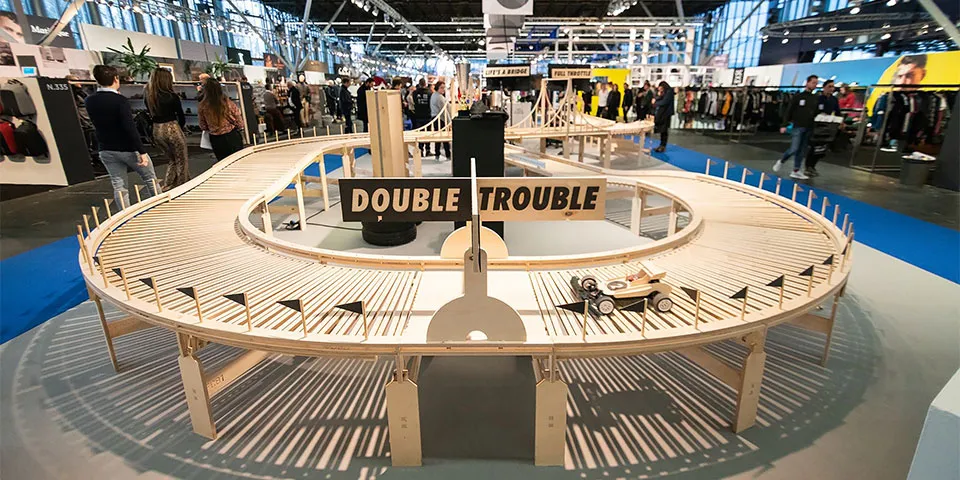
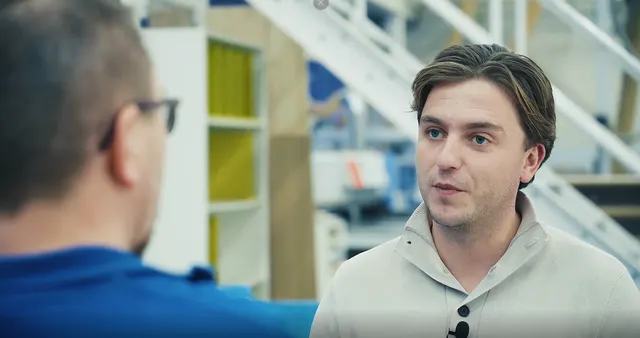
You’re looking for a sustainable material. Or you want to create a fully circular interior. But how? And what does it all actually mean? Judith Montens, materials adviser at Baars & Bloemhoff, shares some tips and explains what to look out for when sustainability is the key consideration in your design or bespoke project.
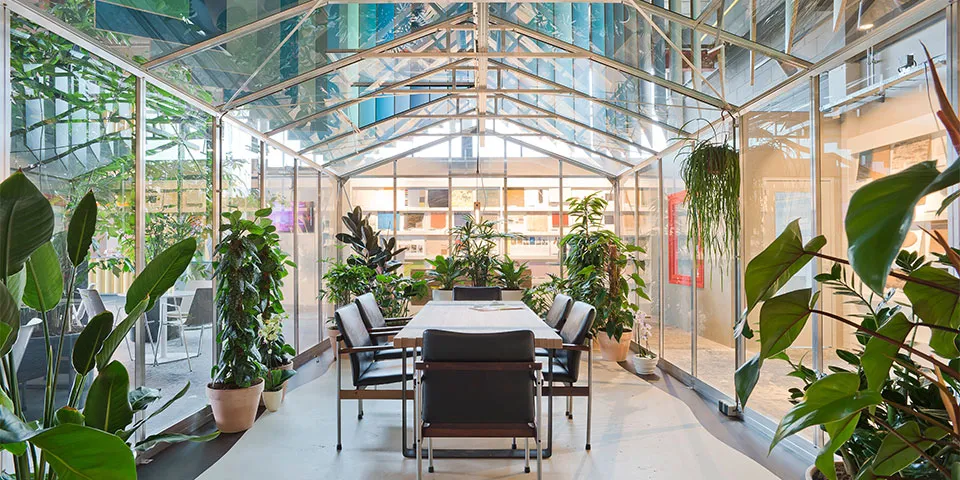
WHAT EXACTLY IS A SUSTAINABLE MATERIAL?
“If only the answer to this frequently asked question were that simple. Sustainability is a very broad concept. When it comes to materials, there are many aspects to consider before making an informed choice. It may help to start by deciding what matters most to you and your client. You can then take into account a material’s origin, composition and lifespan. Other considerations include its impact on people and the environment, whether it can be reused, and which certifications it needs to meet. The environmental impact of the production process is also important. This includes, for example, how raw materials are extracted, water and energy consumption, and transport from one link in the supply chain to the next.”
PROJECT TYPE: IN WHAT CONTEXT AND ENVIRONMENT WILL THE MATERIAL BE USED?
“The most suitable or sustainable choice of material depends on the type of project, its setting and the time frame. A hospital interior, for example, is used intensively and will generally need to remain in place for a long time. In this case, choose materials that last or do not need replacing often. Solid Surface worktops can be easily repaired by a fabricator if damaged, provided you use a sheet from the same batch. Are you designing an interior for temporary use, or perhaps a retail interior that will be refurbished after a few years? Then choose materials that can easily be reused or recycled.”
DESIGNING AND BUILDING FOR DISASSEMBLY
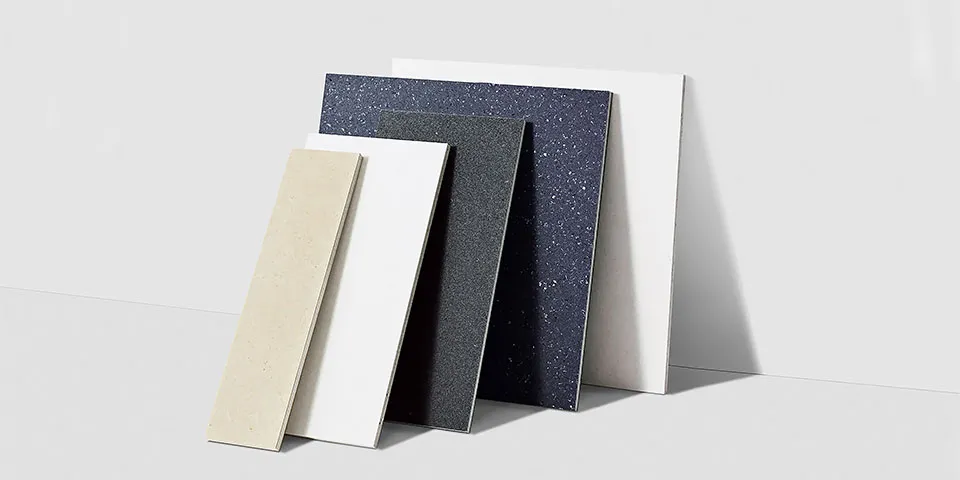
“At the design stage, you can already plan for materials to be used differently in the future. To enable high-quality reuse, it is important that materials can be separated or salvaged easily. You can achieve this by using clever connections that require no glue or screws.
You can also adapt a design to the standard dimensions of certain materials. This makes it easy to use them again after their first application. It also reduces the amount of material needed by minimising cutting waste.”
Would you like to find out more about sustainable design and construction? Expand your knowledge with the Baars & Bloemhoff knowledge base, which helps you navigate the maze of certifications and materials.
Question about this story? Ask your question
Companies in this story

Keep following this
Get an email when a new story is published. No account needed.
- ThemeMore sustainable materials and longer use
- SubjectTimber & sheet materials
- CompanyBaars & Bloemhoff