Decorative panels and edge banding: a match made in heaven (if they are made for each other)
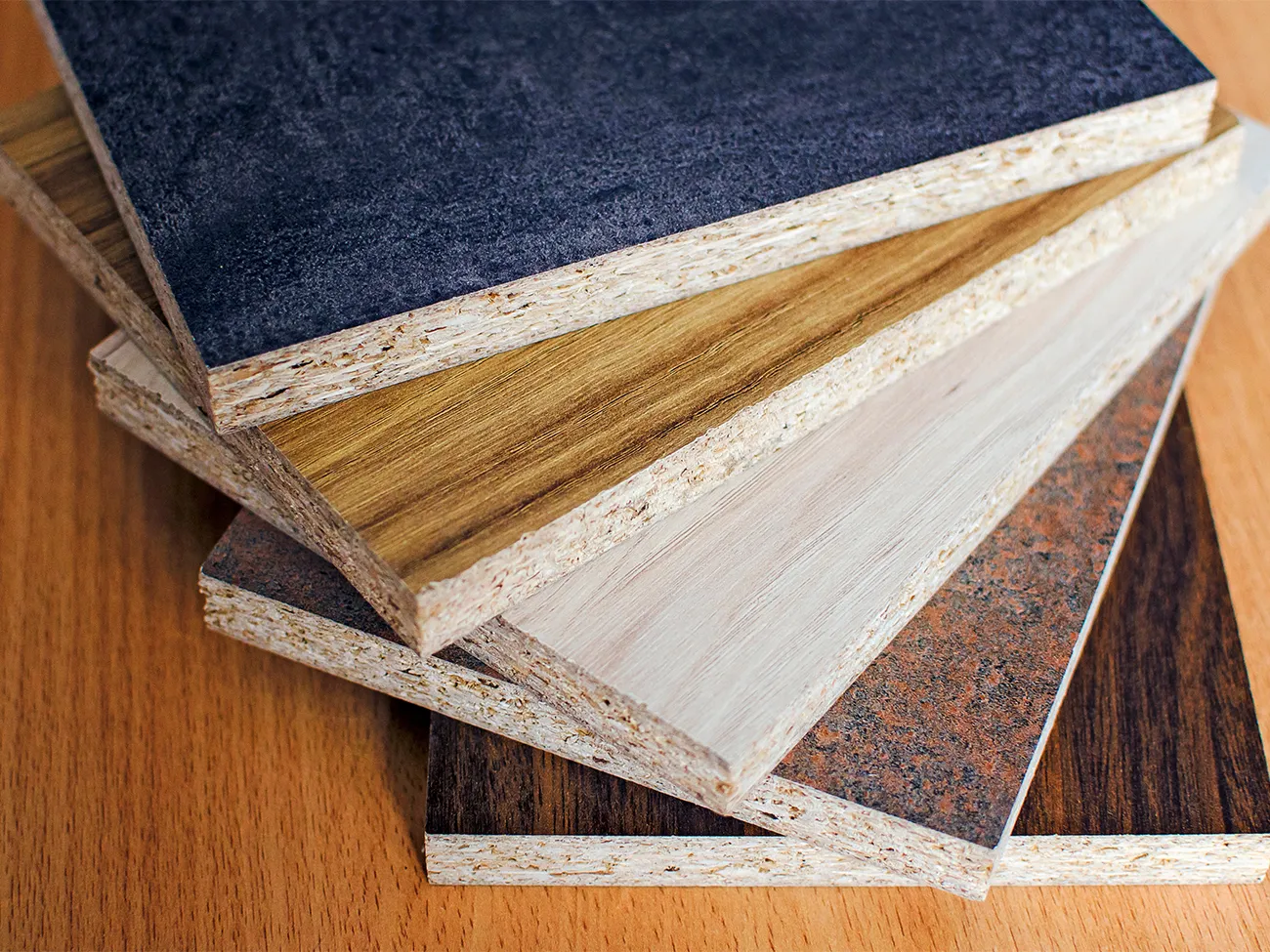
Imagine if edge banding did not exist. What use would decorative panels be if the exposed edges revealed that the furniture board had a decorative surface layer?
Designers and end users alike would soon lose their love of decorative panels. That is why edge banding is just as important to interior fitters and furniture makers as the panels themselves.
The best results depend on keeping a number of factors under control: colour, the sawn and routed edges, and bonding. When all three are optimised, the finished result will be impeccable.
Get the colour right
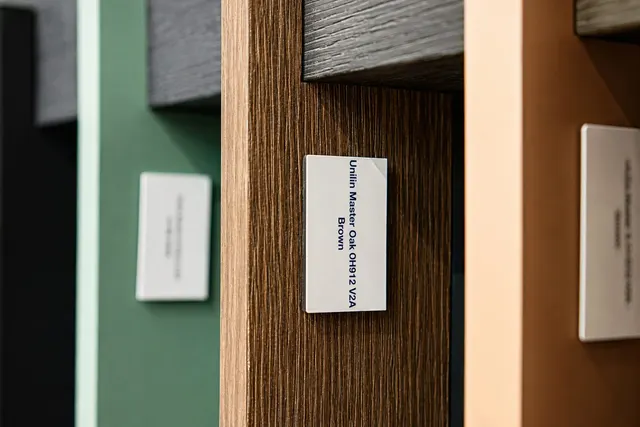
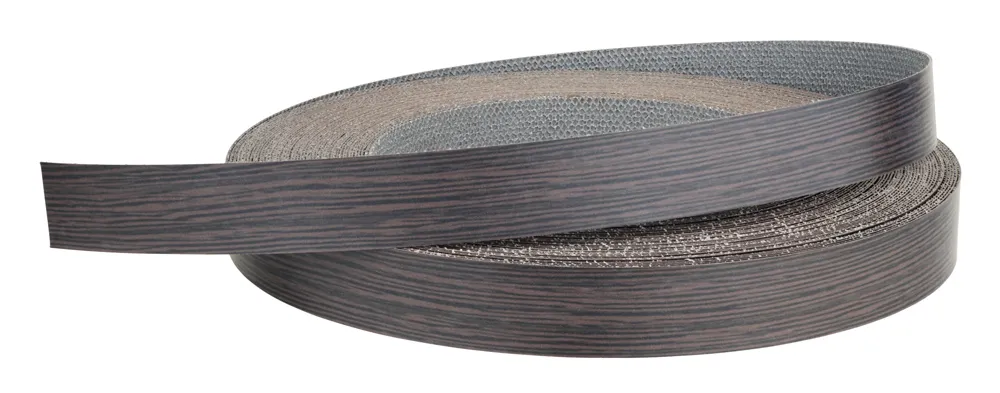
It goes without saying that if the colour or décor of the edge banding differs from the decorative surface of the panel, the result will please no one. That is why it is important to be discerning when purchasing edge banding. In other words, check the colour. Some companies buy panels and edge banding from different suppliers. In that case, it is especially important to determine the final effect in advance. When panels and edge banding are bought together and the supplier guarantees a good match, the supplier should be held to that guarantee. Particular attention should be paid to checking the gloss level of the edge banding. The colour may be identical to that of the panel, but a difference in gloss level will create a different colour appearance.
Metamerism under changing light
One issue that can also affect edge banding is metamerism. This is a phenomenon in which a colour appears to change shade under different lighting conditions. The edge banding may suddenly no longer match the panel when the light source or angle of incidence changes. This does not affect the quality, but it can be very distracting visually. Edge banding has now been developed using innovative technology that rules out metamerism.
The sawn and routed edges
The best results are achieved when edge banding is applied to a panel with a razor-sharp sawn edge or a perfectly even routed edge. A near-seamless, perfectly straight join with the panel gives the impression of solid wood. Even the slightest imperfection can ruin this effect. That is why every care should be taken during sawing or routing to achieve a ‘perfect cut’.
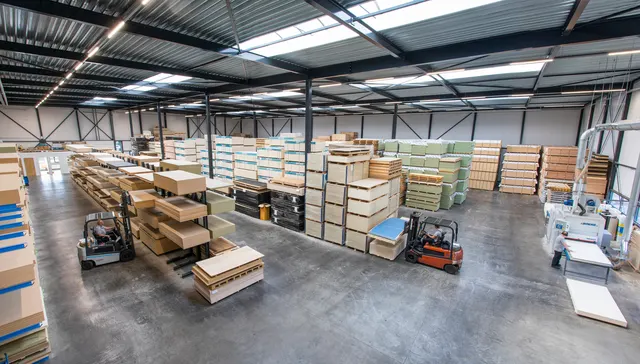
Good machinery, combined with high-quality saw blades and routing tools, delivers an optimal finished product. Take particular care to prevent damage to decorative panels during storage or handling. Much of the minor damage to panels occurs when they are repacked or moved. Automated nesting is a good way to ensure this process runs smoothly. Having the right racking, plenty of storage space and room to manoeuvre also significantly reduces damage.
Applying edge banding: the final hurdle
Looking at the types of edge banding currently available, we can distinguish between ABS, melamine, wood, aluminium and 3D acrylic edge banding. Most types can be used with different bonding techniques. The technique chosen often determines how neat the finish will be and how strong the bond is.
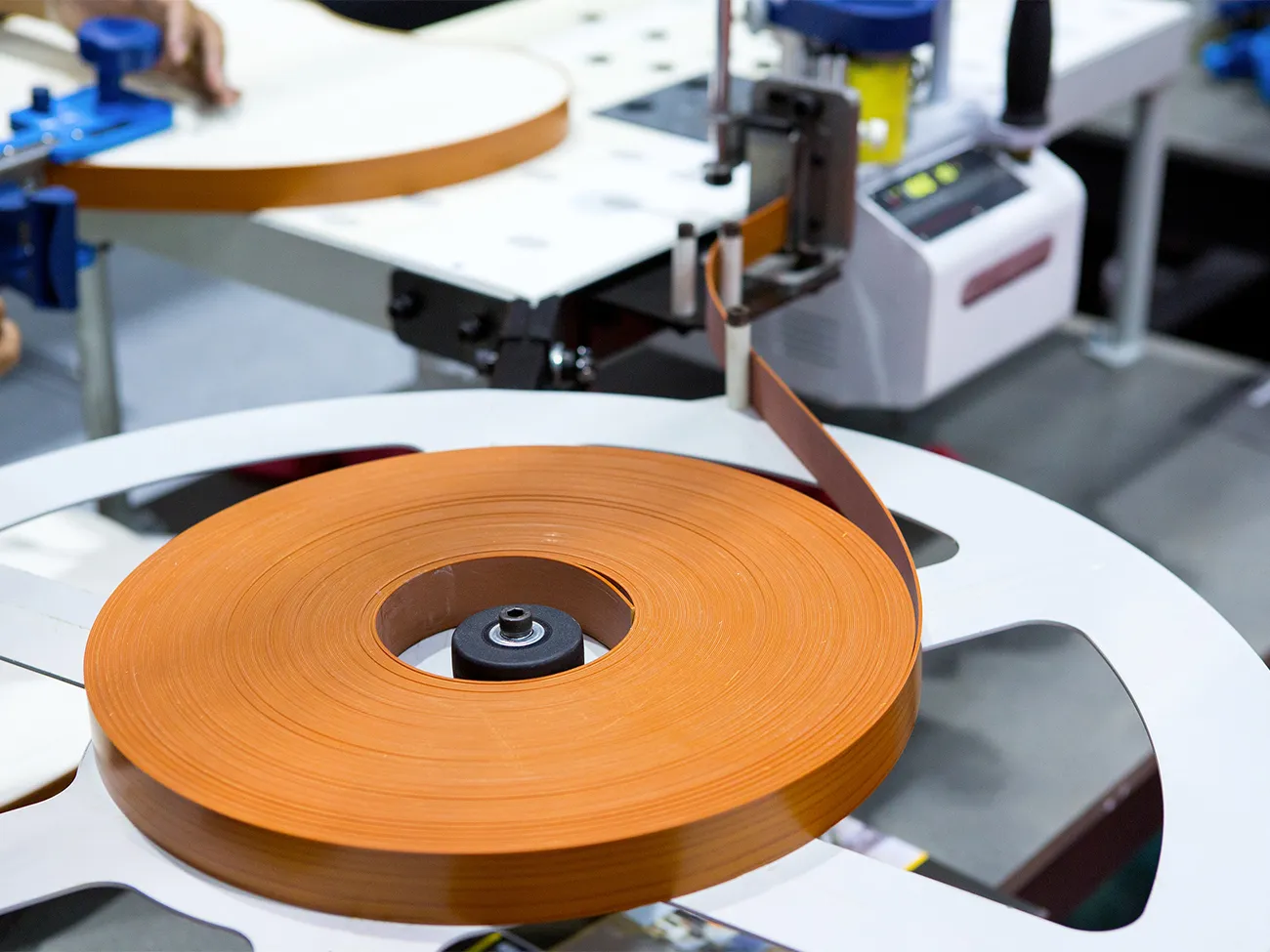
Bonding techniques include PUR adhesives and EVA hot-melt adhesives. EVA hot-melt adhesive is the most widely used technique, with the latest machinery ensuring optimal adhesive quality in the glue pot. PUR adhesives create a stronger bond, but many companies are put off by the process of cleaning the glue machine. Special cleaning products make it relatively simple to clean the glue pot, however. For a zero-joint finish, where the edge flows seamlessly into the panel surface, the options are laser edging, hot-air technology or Near Infrared technology. These methods are widely used when the joint between the panel and edge needs to be more resistant to moisture and heat, and repel dirt.
Question about this story? Ask your question
Keep following this
Get an email when a new story is published. No account needed.
- ThemeFrom sheet materials to construction
- SubjectTimber & sheet materials