‘In search of the right veneer log’
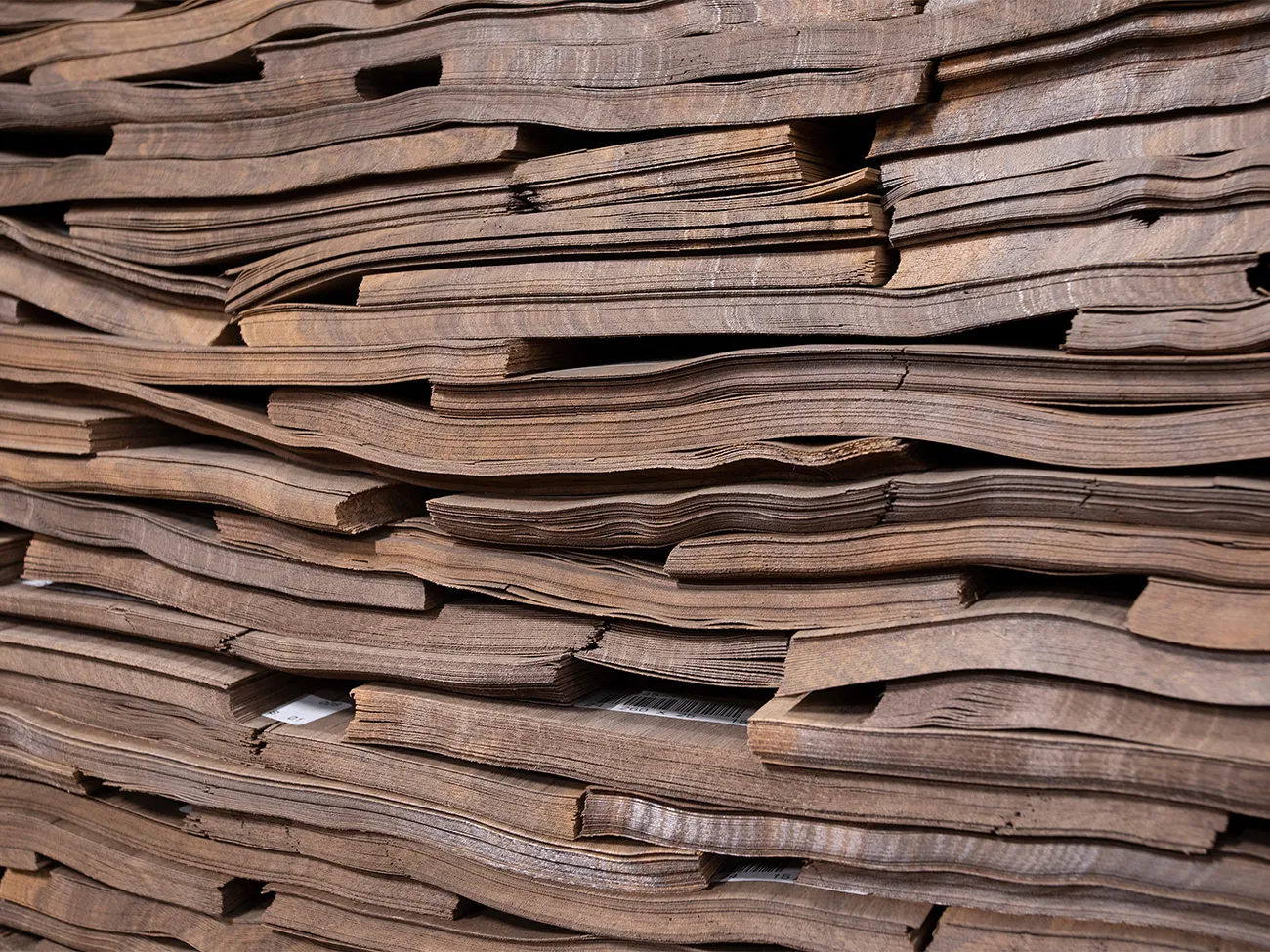
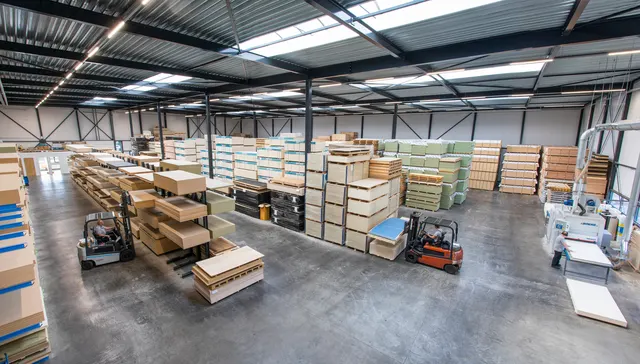
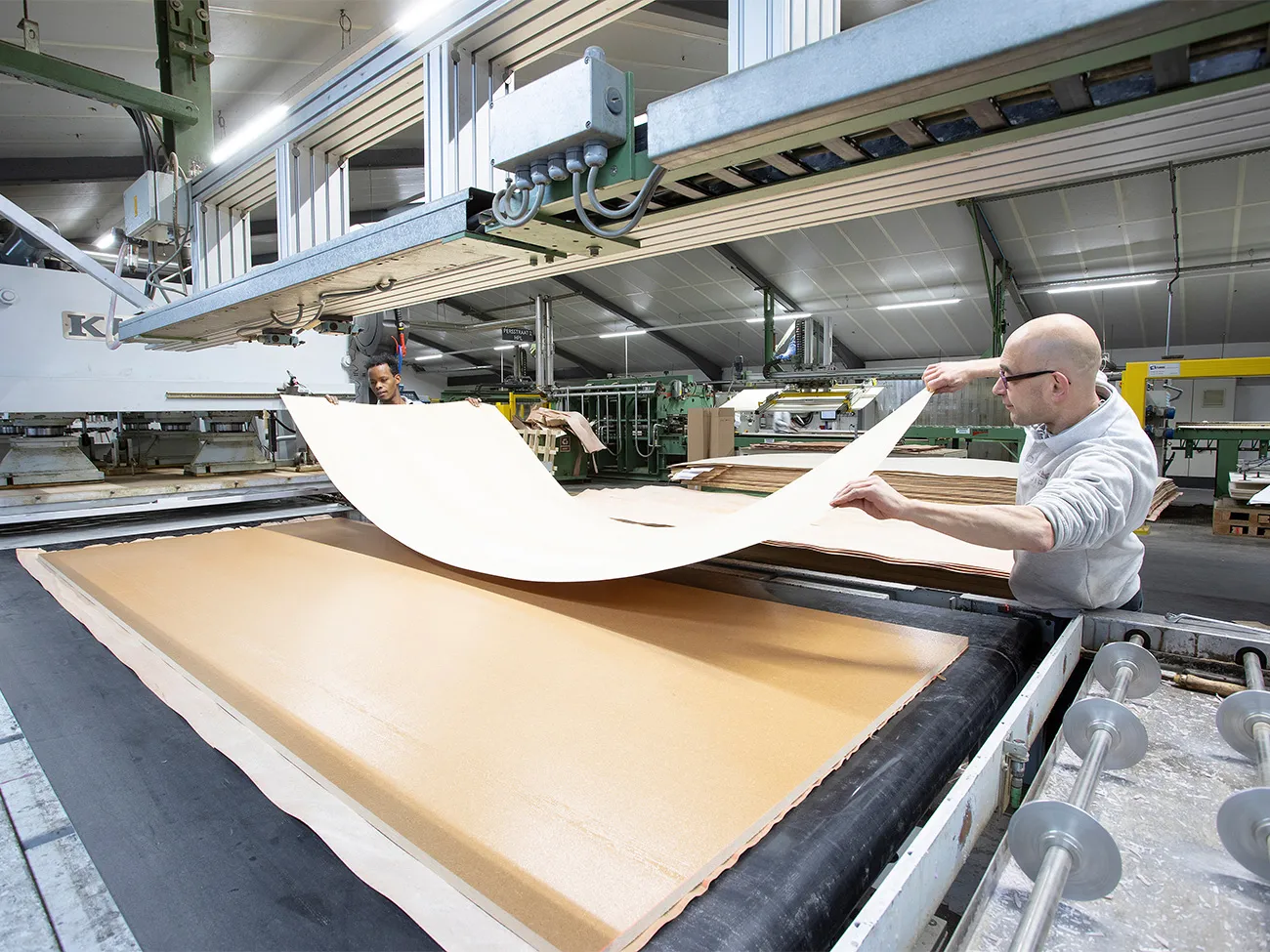
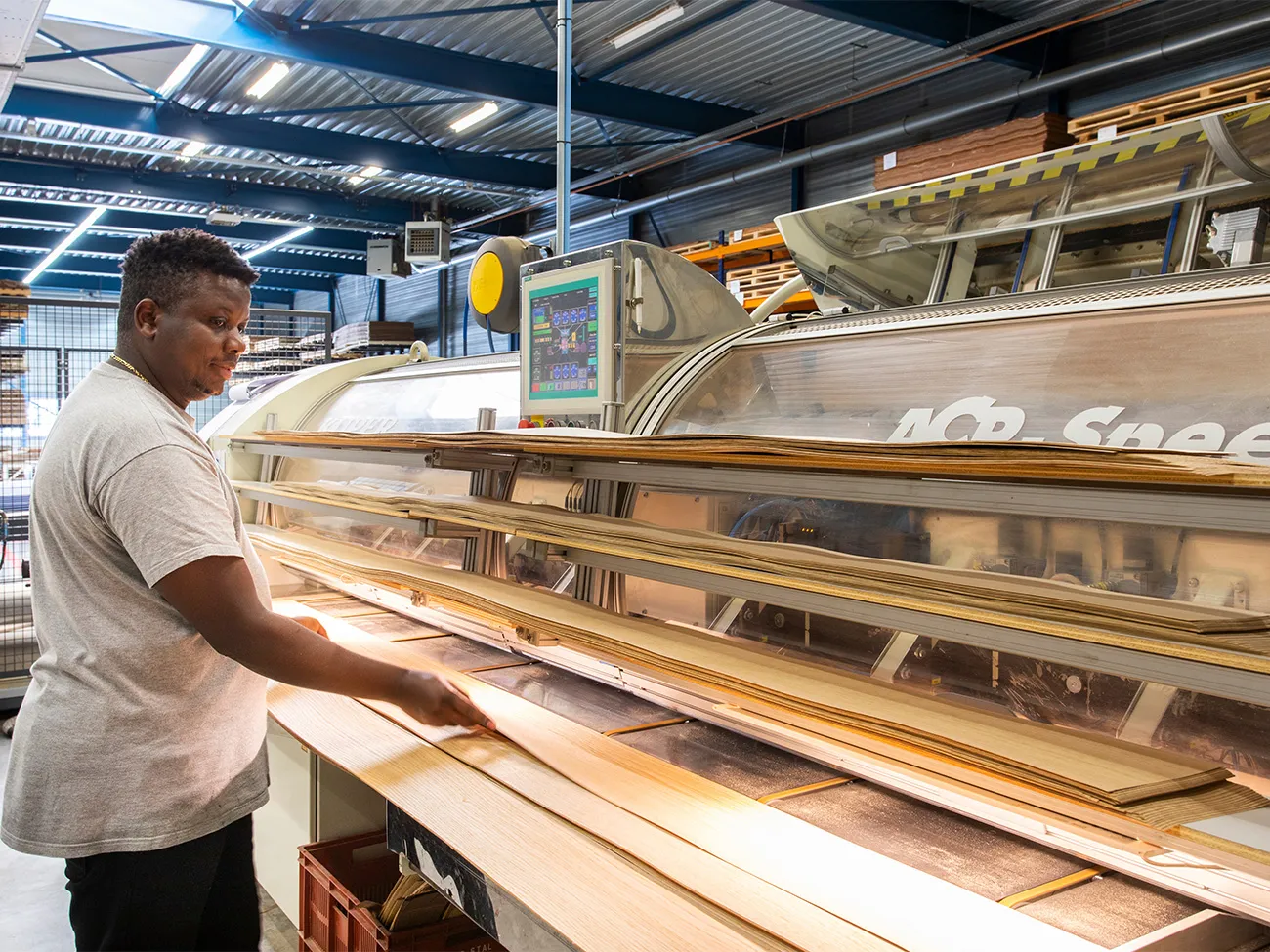
Veneering panels is their specialist field and core business. Kuiper Holland has been doing it with great success since 1953.
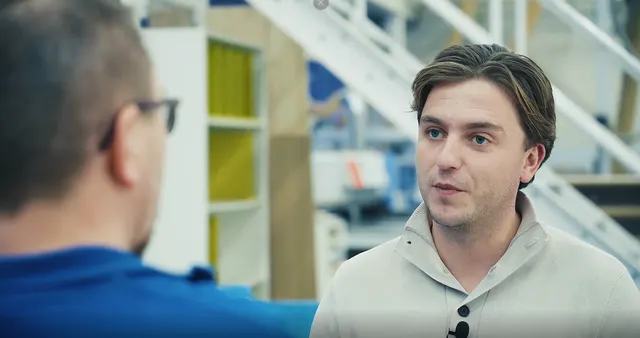
By keeping its focus firmly on the future, the company has remained at the top of its game after all these decades. We visit Kuiper Holland to talk to managing director Hans Golbach and sales and marketing manager Thijs Haarhuis about producing and processing veneer.
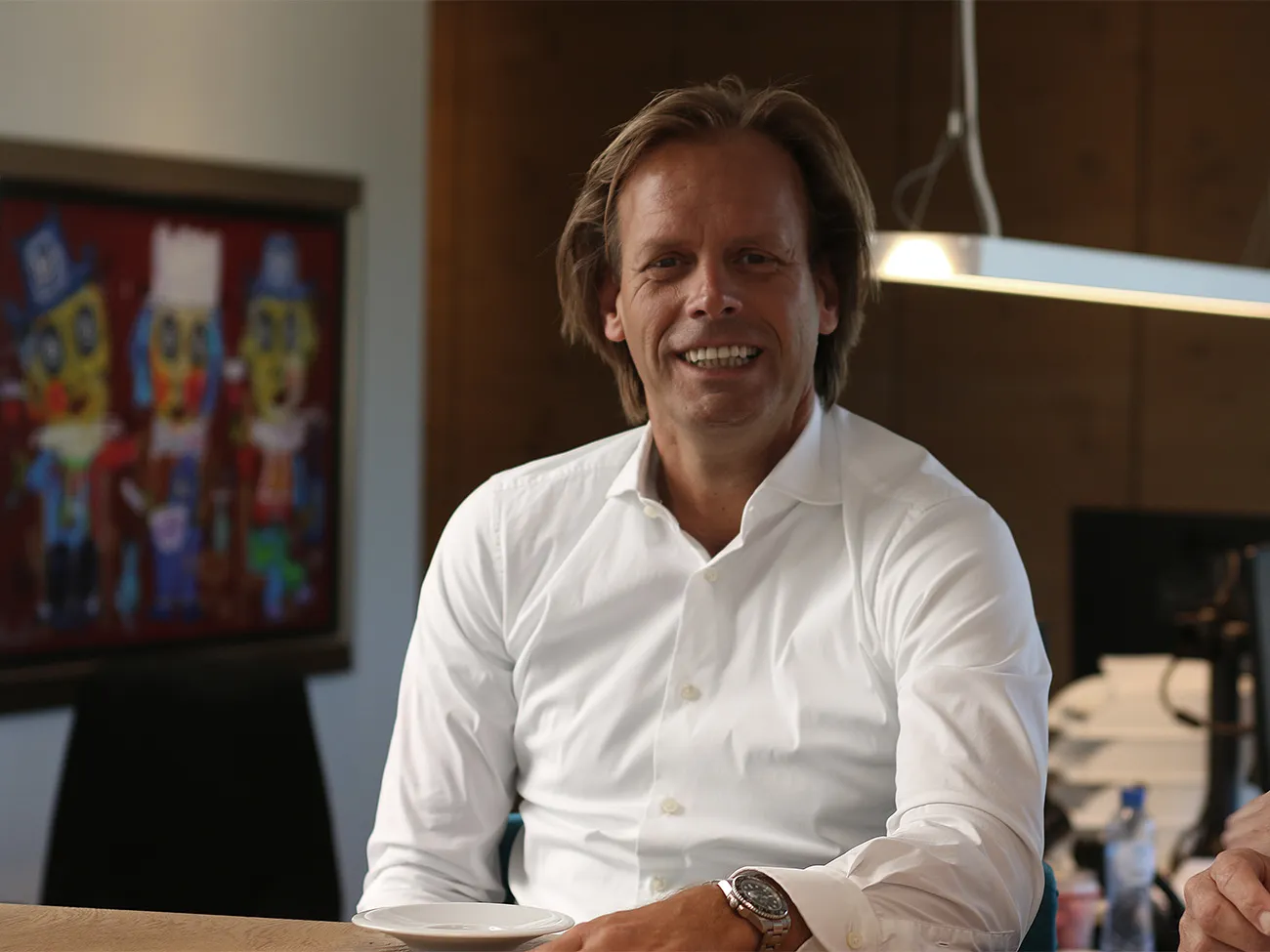
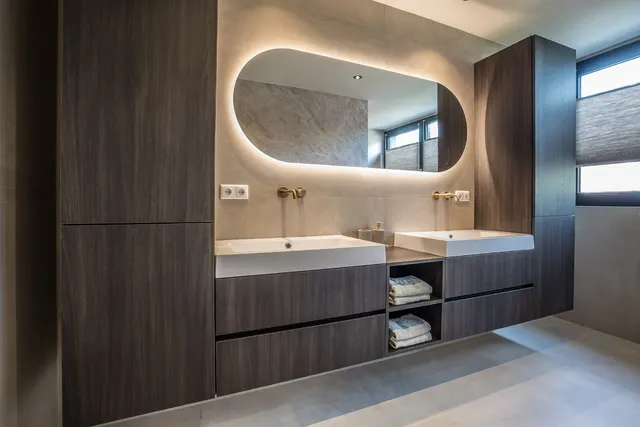
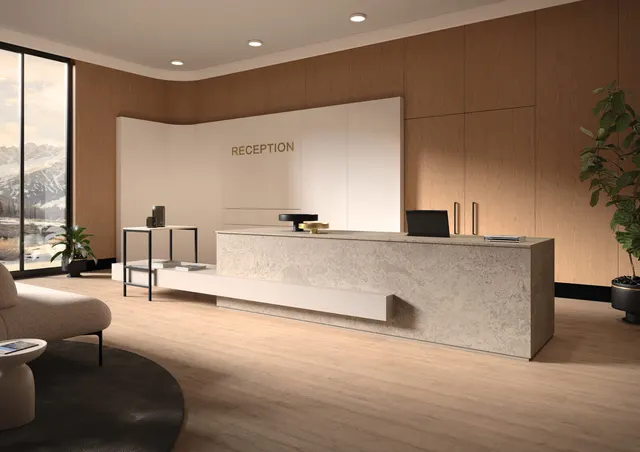
Thijs opens the conversation: “We mainly serve three sectors: interior fit-out, yacht interiors and the kitchen industry. In interior fit-out, our veneer products often find their way into contract interiors and the hospitality sector.”
Hans adds: “We achieve the best results when we are part of the vertical supply chain and are involved early in the process. Kuiper Holland can take almost any preference or requirement into account, as long as we know about it in good time.”
Every commission is unique
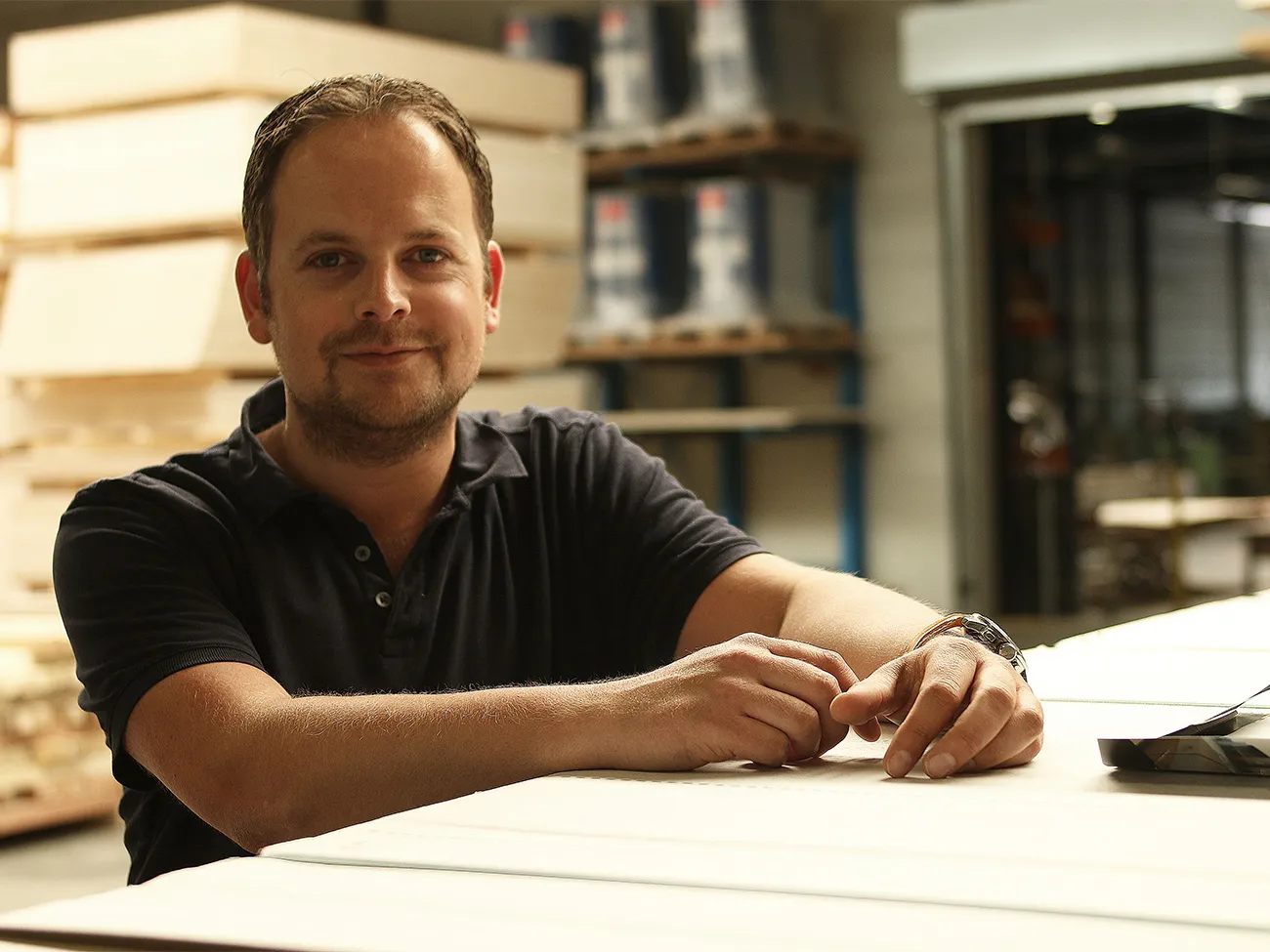
Kuiper Holland veneers panels on a project basis. Hans says: “Every commission is made to order, which makes it unique. So, for projects, we like to be involved at the design stage.” Thijs notes that Kuiper Holland can add enormous value even at this early stage. “When an architect comes to us with three different spaces, we select the panels for them and create three distinct spaces.”
Thoughtfully selected veneer can give a project a major aesthetic boost. Hans gives an example: “For instance, we can use wood from an 80-year-old tree in a project. It’s wonderful to be able to see the passage of time in the wood within a single project. We make sure the grain and colour match, turning the veneer into an experience in its own right. That’s only possible if you communicate well, have the right expertise and know what can be done, as well as what the limitations are. Wood is a living material!”
‘A project like that deserves Kuiper veneer’
Thijs describes how Kuiper Holland contributed to a project in an Amsterdam canal house where the client had used pine ceiling panels. “They were acoustic panels, and we identified the wood species as ‘Weiß Tannen’. We then found a matching veneer for the furniture.”
Without wishing to boast, Hans remarks: “A beautiful project like that deserves Kuiper veneer. We’re happy to go the extra mile to achieve the best result.”
Every veneer in stock at Kuiper Holland has been selected with the same care. “We’re constantly searching for the right veneer log,” Thijs explains. “Before we buy anything, we assess the wood in person abroad. Hans takes personal responsibility for this, and sometimes it really is a case of ‘handshake deals’ right beside the log.”
The future of project veneer
Hans is clear about the future of veneer: “We no longer want to produce waste. To achieve this, we help our customers make the most of the material. You only order what you need from us. To make sure everything runs smoothly, we help customers calculate their project requirements. We then supply exactly the right amount, whatever the size of the project.”
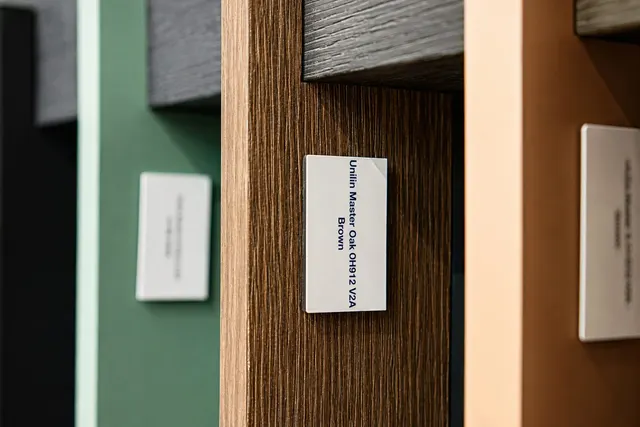
Thijs sees Kuiper Holland as a veneer advocate that keeps a close eye on the market. “Veneer has become a fashion item, and it’s also subject to trends. We now have our latest veneer sample book, a real mood board for architects.”
Hans adds: “Times have changed. People used to choose a specific wood species. Today, they describe what they’re looking for in much broader terms. ‘We want a reddish wood species,’ they might say. That’s when it helps to be able to put a sample book on the table featuring 64 wood species in a variety of colours. We bring the experience right to the architect’s table.”
The men conclude that customers arrive increasingly well informed and demand the highest quality. “They’re also willing to pay for it, because they know how to appreciate good veneer. Sometimes we call a piece a ‘museum piece’. That’s when we’ve found and bought a tree so beautiful and unique that we’ll only sell it to someone who truly appreciates it. At that point, price no longer matters,” Hans concludes.
Question about this story? Ask your question
Keep following this
Get an email when a new story is published. No account needed.
- ThemeFrom sheet materials to construction
- SubjectTimber & sheet materials