











Machining wood: what you need to know about planing
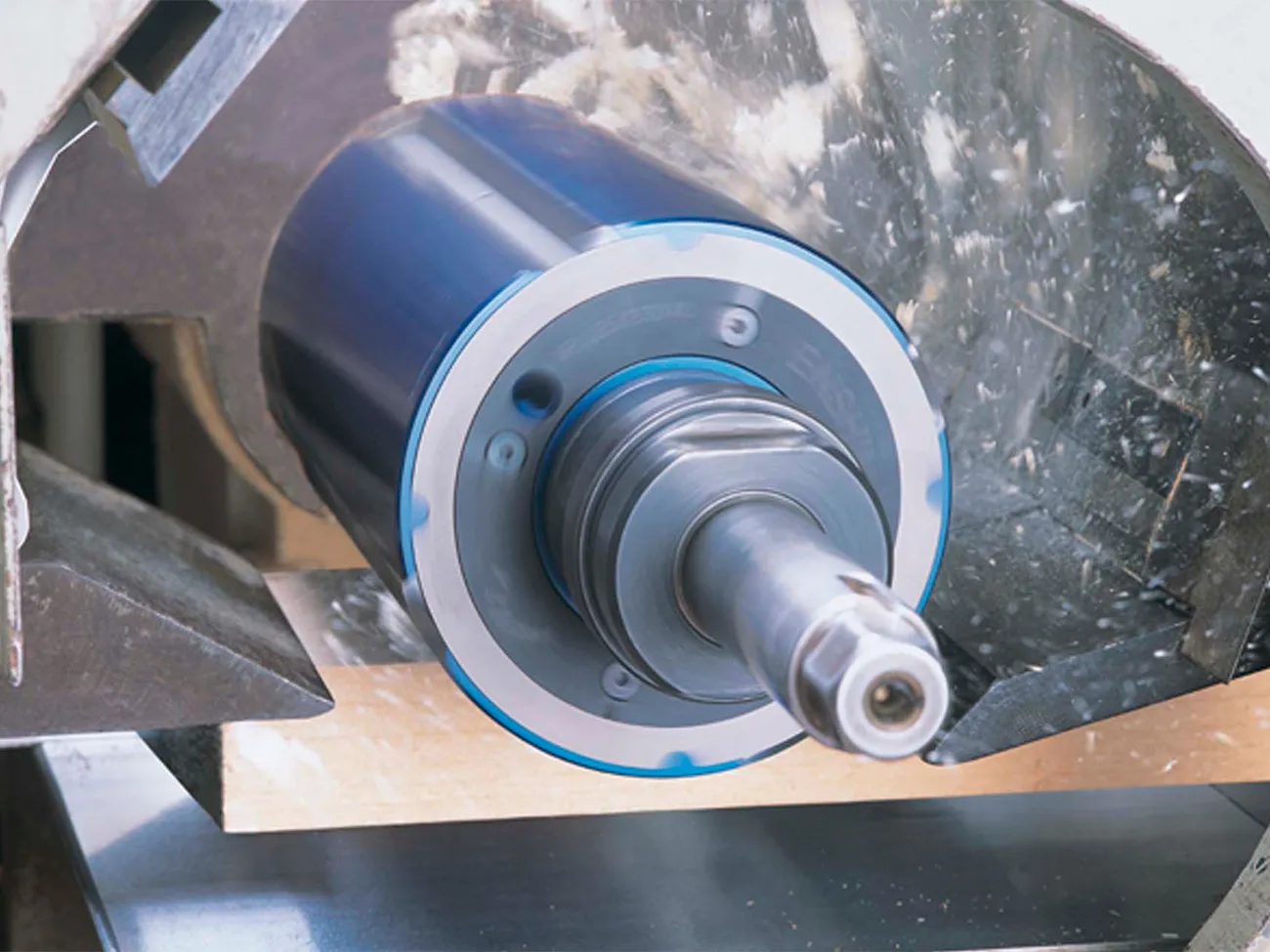
Knives, settings, surface quality, machinery… many elements need to work together to achieve the desired result. Here is what you need to know about planing wood to make the right choice.
What should you consider when planing wood?
1. Tool life is always an important factor.
This depends on the wood species you are planing, but glue lines and factors such as sand or minerals also affect tool life. Foreign materials can damage the planing knives, which will show in the planed surface. This means unnecessary extra sharpening for conventional knives and more frequent changes with a quick-change system. Both disrupt efficient production.
2. Poorly set knives are a key concern.
If the knives are not set to run perfectly true, machine marks will appear on the planed surface. Alternatively, if the depth of cut is too great for the feed rate, the wood will splinter, resulting in a rough surface. The end result will be unsatisfactory, as the wood will need a great deal of further processing.
3. What end result are you looking for?
This is a question you should ask yourself. In construction, planed surface quality is less of a concern. The aim is often not a smooth cutter finish, but the correct dimensions. When planing wood for furniture and interior components, by contrast, the aim is also to achieve a perfectly smooth, attractive finish.

Conventional knives versus a quick-change system for planing wood
Hardwood species such as afzelia and afror-mosia present greater challenges when planing. These solid woods are more challenging because of their grain structure and hardness. Conventional knives are the best choice for these species, thanks to their very long tool life and the fact that they can be resharpened. Cutterheads with conventional knives are available with Z=4, Z=6 or Z=8. With more knives, these cutterheads can achieve higher feed rates.
Conventional knives do, however, take longer to set up than knives in a quick-change system. Setting conventional knives can easily take between half an hour and three quarters of an hour, and requires considerable expertise to prevent machine marks. With a quick-change system, changing the knives in the entire cutterhead takes just 2 to 3 minutes. The knives are set correctly straight away by the centrifugal force of the cutterhead. The special clamping system causes them to position themselves to run true.
When the knives are set correctly, the need for further processing is minimal. A quick-change system cutterhead usually has Z=4. This system works best on machines with a feed rate of up to about 20 metres per minute. The replacement knives are considerably cheaper. However, watch out for foreign materials in the wood, or you will be changing the knives all the time.
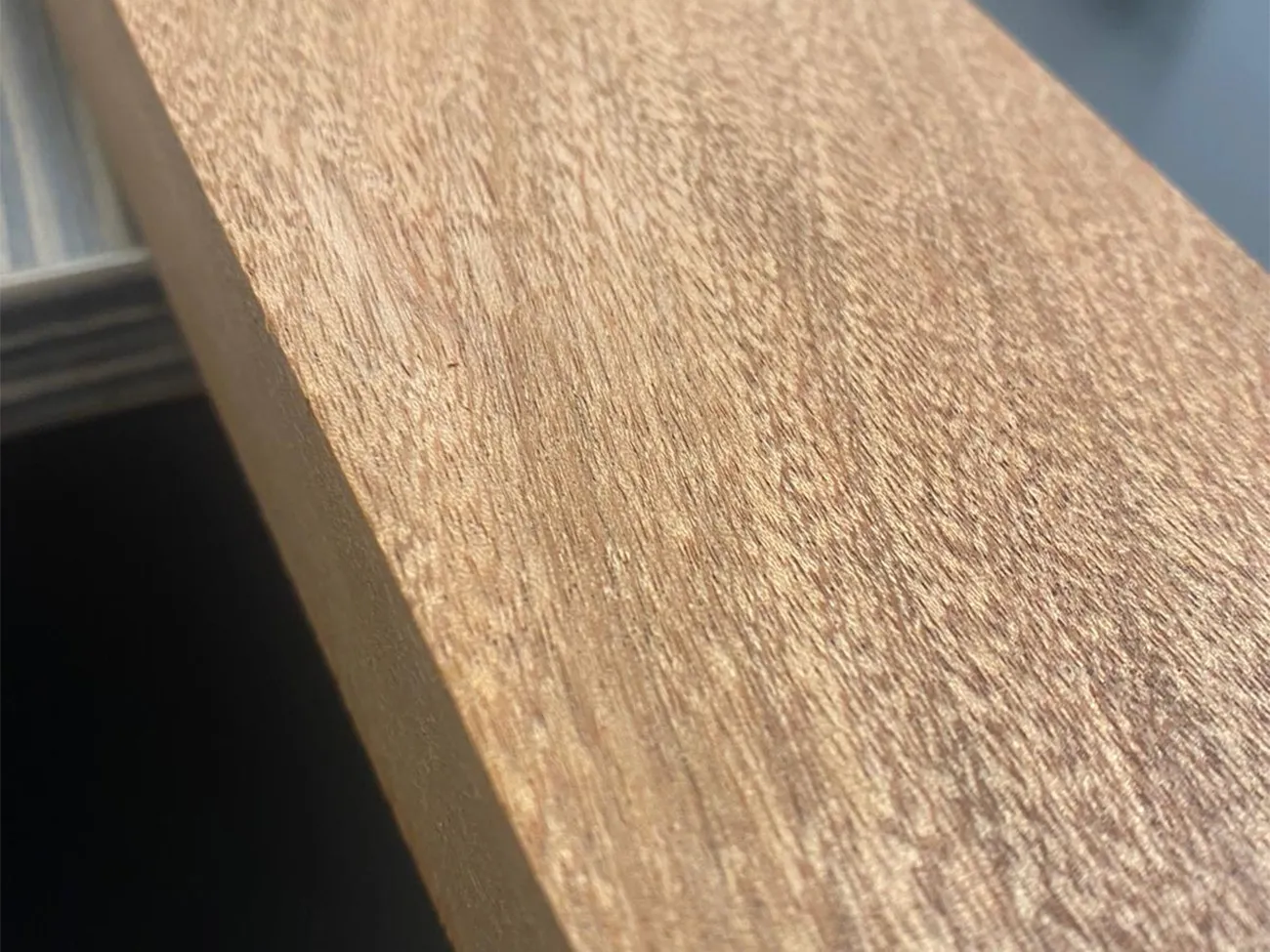
Choose the right settings
Alongside the knives, planing quality depends on choosing the right settings. Our advice is to use a smaller depth of cut with harder wood species to achieve a top-quality finish, as any imperfections will otherwise be visible. The harder the wood, the smaller the depth of cut. The key tip for choosing the right settings is to start with the desired end result, then determine the process. Need advice on selecting planing knives and setting the parameters? Our specialists will be happy to help!
Question about this story? Ask your question
Keep following this
Get an email when a new story is published. No account needed.
- SubjectGeneral







