











Safety needs attention on the shop floor
Text Tamara BrouwersImage Witkamp Trainingen & Certificering
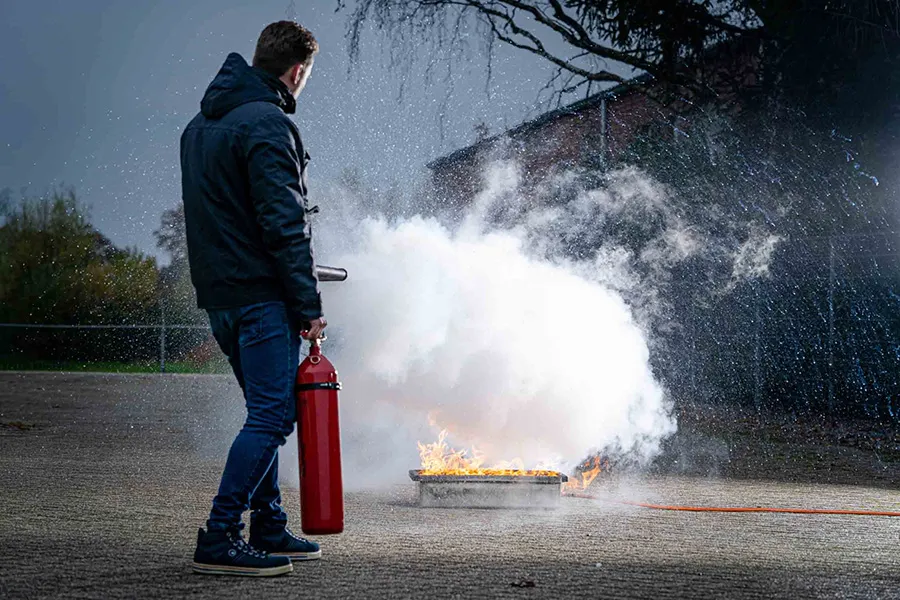
Practical training and tailored advice
For Witkamp Trainingen & Certificering, the first edition of the Hout Interieur Beurs is a natural place to connect with companies in interior construction and wood processing. Owner Sven Witkamp says safety within organisations often gets attention too late, namely only after something goes wrong. “The subject is sometimes seen as an obligation that costs money. Yet by putting the right things in place beforehand, you are actually trying to prevent problems.”
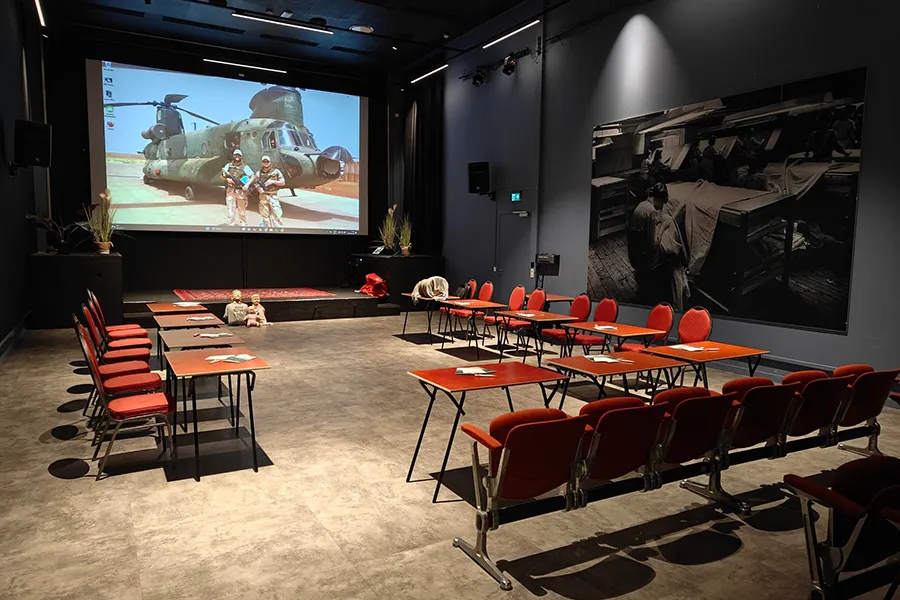
Through training, support with risk assessments, safety advice and Code 95 training, the company supports organisations across a range of sectors. This broad approach stems from Witkamp’s background: he spent eighteen years in the armed forces, working with fuels, materials-handling equipment, workshop layouts and logistical support for flying units, among other things. During deployments, Witkamp saw how safety and practical feasibility constantly go hand in hand. Machines and tools were regularly put to work in challenging conditions, while risks had to remain manageable. “That’s exactly when you learn how important it is to think in advance about working methods, materials and responsibilities.”
According to Witkamp, the challenges in interior construction are closely aligned with situations he encounters in other sectors too. “You have to deal with machinery, storage, walkways and hazardous substances. That requires constant attention.”

Changes on the shop floor
According to Witkamp, risks often emerge gradually, for example when a company grows or the layout of the shop floor changes. Machines are moved, storage expands or escape routes become partly blocked. “You see a situation that worked perfectly well at first slowly becoming less safe. A pallet in front of an emergency exit may seem like a minor issue, but in an emergency it can have serious consequences.”
That is why, during risk assessment processes, he pays close attention to day-to-day practices within companies. This is not just about large installations or heavy machinery, but also about tasks that employees take for granted. “People often stop thinking about certain risks, even though safety starts with being aware of your working environment.”
At the trade fair, Witkamp makes a point of starting conversations in an informal way. At previous trade fairs, he set up stands featuring familiar examples and images of unsafe working situations, among other things. “I try to quickly find out what someone deals with in their work. From there, you can have a practical conversation.”
He uses the same direct communication style during training. “Sometimes a little humour helps keep people alert. Ultimately, you want employees to look at situations differently and become more aware of what is happening on the shop floor.”
Question about this story? Ask your question
Keep following this
Get an email when a new story is published. No account needed.
- SubjectGeneral







