“If you’re still machining parts one by one, you’re losing money every day”
Text Tamara BrouwersImage ARDIS®
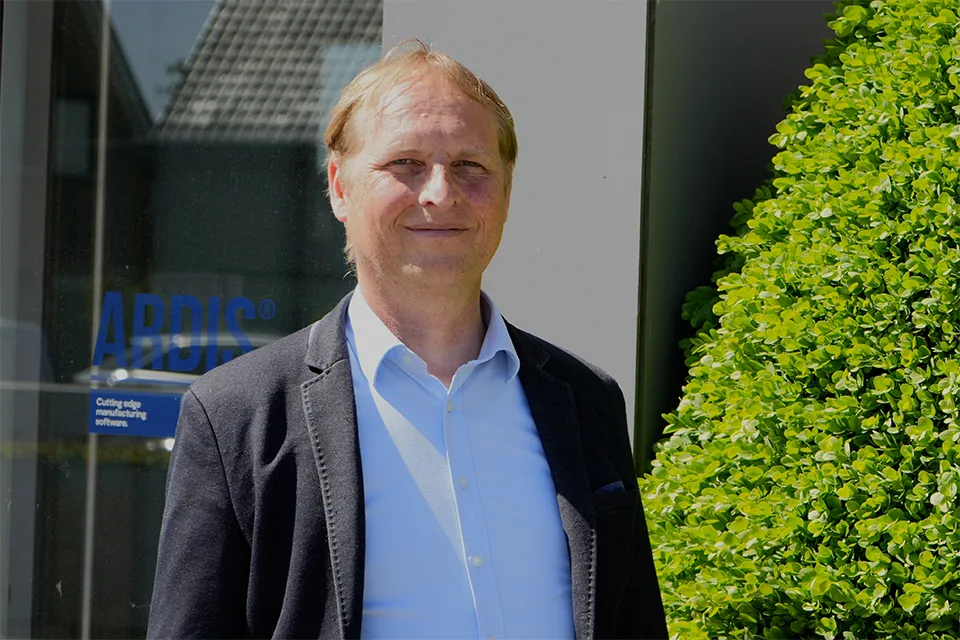
Interview with Jaco van Vliet, optimisation and production software specialist
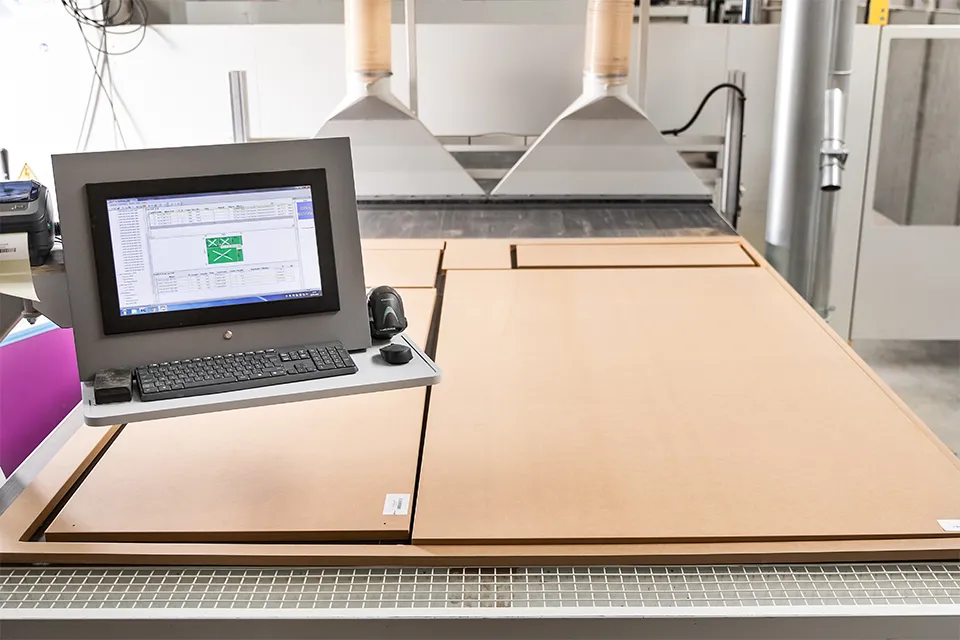
Pressure is mounting on interior fit-out companies and furniture manufacturers: bespoke work, short lead times, rising material costs and a shortage of skilled workers. Yet the biggest gains, according to Jaco van Vliet, specialist at ARDIS®, do not come from new machines, but from how you control the ones you already have.
Jaco, you say many companies are still nesting the wrong way. That’s quite a claim.
“Perhaps, but I see it almost every week. Companies have a powerful nesting machine, sometimes an investment worth hundreds of thousands of euros, yet it produces only half of what it could. Not because the machine is poor, but because the way it is controlled has not kept pace.”
How can you tell?
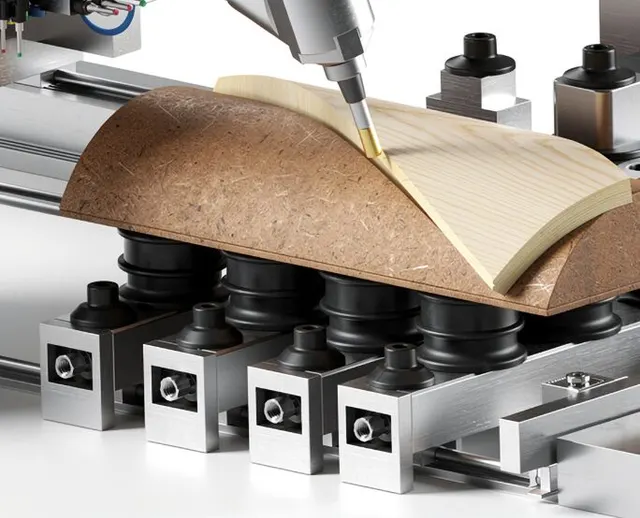
“By the way the cutter moves. When I visit a company and see every component being machined separately, I know straight away that there’s potential being wasted. Every time the cutter enters and exits the sheet, you lose seconds. Do that a thousand times a day and you lose hours. We tested this at a customer’s site: the same nesting layout, the same machine, the same quality. With the conventional strategy, it took 9 minutes. With the optimised strategy, it took 5 minutes. That’s 45 per cent faster.”
What does that mean in practical terms?
“If your CNC runs for 6 hours a day and you save 45 per cent on machining time, you gain 600 to 700 hours of capacity a year. At an hourly rate of 125 euros, that amounts to 80,000 to 110,000 euros a year. For some companies, that means they don’t need to buy a second machine. For others, it means they can finally take on larger orders with confidence.”
Do you have a real-world example?
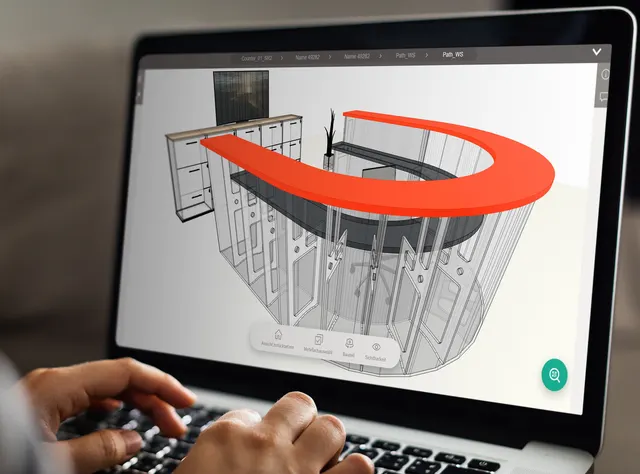
“A woodworking company specialising in bespoke furniture. They had grown quickly, bought a second and then a third machine, and were still relying on overtime. The owner thought they needed a fourth machine. We found they were running jobs directly from their CAD/CAM package, without any real optimisation. After implementing our smart nesting solution, which intelligently optimises toolpaths and movements, output rose from 350 to 410 units per shift, an increase of 17 per cent. Overtime disappeared, cutter wear fell by 30 per cent, and the fourth machine was no longer needed. The software paid for itself within three months.”
What would you say to someone who thinks, “We’re probably doing all right”?
“How do you know? Have you ever measured it? In nine cases out of ten, no one has ever run a comparison test. Get someone to spend fifteen minutes looking at your nesting process, not to sell you anything, but simply to see where you stand. If there’s nothing to gain, you’ll know. And if there is, you’ll know that too.”
What is the biggest misconception about nesting today?
“That the machine determines how much you can produce. It doesn’t. The software determines what you get out of the machine. Two identical machines with two different control systems: by the end of the year, they amount to two completely different businesses. If you keep nesting the way you used to, you’re wasting potential every day.”
Question about this story? Ask your question
Companies in this story
Keep following this
Get an email when a new story is published. No account needed.
- SubjectSoftware & digitalisation
- CompanyARDIS