Growth takes more than machinery
Text Tamara BrouwersImage De Groot Bewerkingsmachines
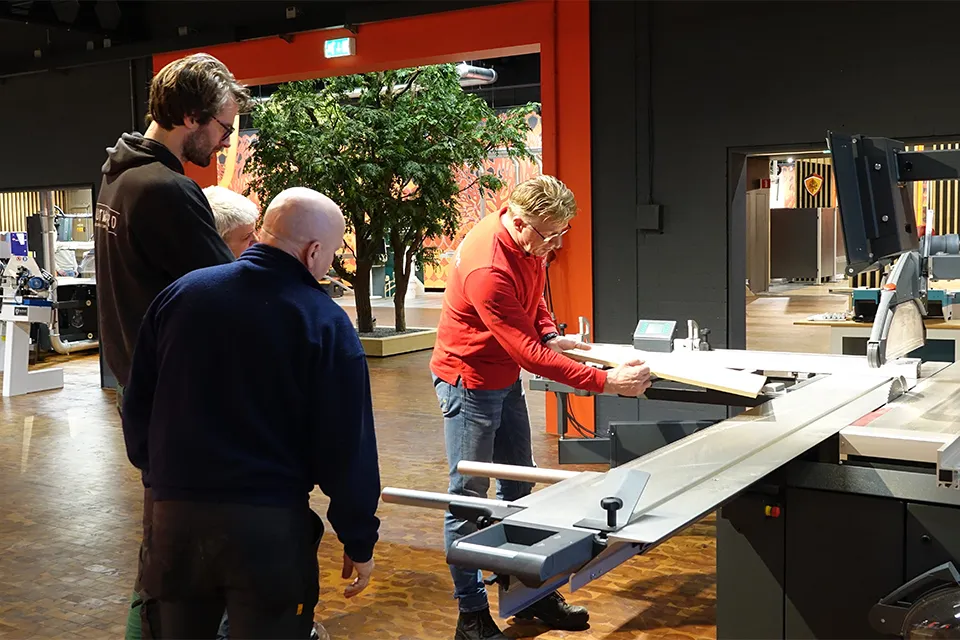
Profit comes from aligning people, machines, software and processes
Many interior fit-out businesses grow out of craftsmanship. A furniture maker or carpenter sets up on their own, buys a few machines and gradually builds a customer base. But as the business grows, the workshop has to work differently too. According to Martijn de Groot, managing director of De Groot Bewerkingsmachines, this phase calls for a fresh perspective on production and organisation.
In conversations with interior fit-out companies, he sees a familiar pattern. Businesses grow on the strength of their craftsmanship, but over time the focus shifts to how production is organised. “A business often starts with an owner who works in the workshop themselves and does a lot of production by hand. As the workload increases, staff join and the machine fleet grows. At a certain point, you need more than technical skills in your business. You also need other expertise, such as production planning, machine operation and production management.”
It is precisely during this transition that businesses can run into difficulties. The owner has extensive knowledge of the craft, but less experience in organising the production process. “You see businesses buying new machines with great enthusiasm. That can help, but a step like that also requires different expertise within the business,” De Groot explains.
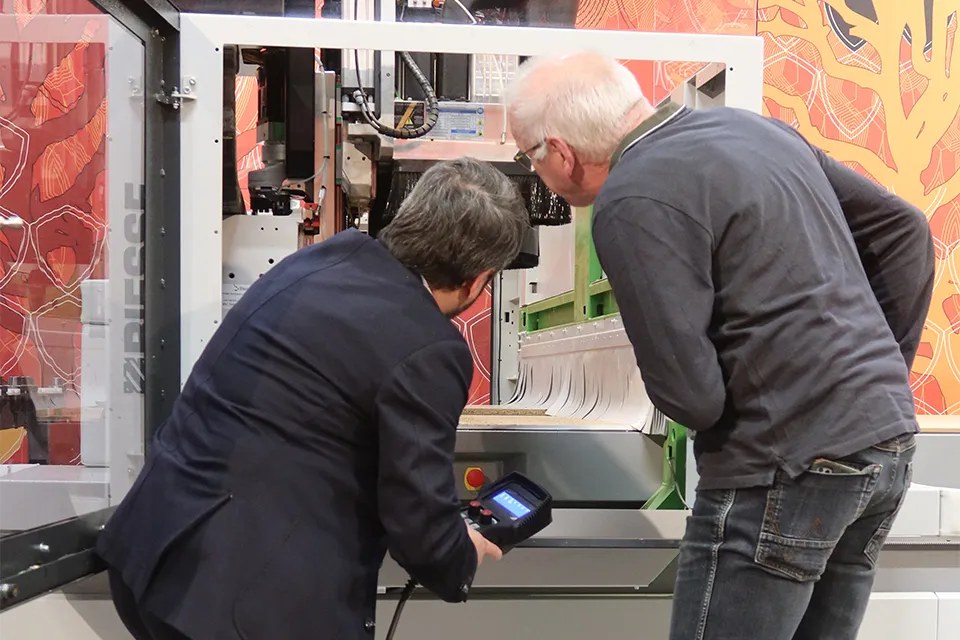
More than just a new machine
The challenge is rarely just the machine. When businesses start using CNC machines or automated lines, the layout of the workshop and the way work is organised change too. “With a standalone machine, it is often easy to find a fault. You look at that one machine and solve the problem there,” he says. “But with an automated cell in a larger machine fleet, you need to identify the weakest link in the system. You have to be able to work out where the problem is occurring.”
“Successful production depends on a combination of people, machines, software and organisation,” De Groot continues. “You can have an excellent machine fleet, but if the controls, workflow or production planning are not right, you will never get the most out of it.”
Investment serves different purposes
Businesses invest not only to grow, but above all to reorganise production. “One business owner says they are genuinely short of capacity. Another wants to produce the same amount of work in fewer hours. And some businesses want to improve quality or free up more time for customers.” According to De Groot, the benefits do not automatically come from expansion. “Professionalising can also mean producing more efficiently or aligning processes more effectively.”
Taking time to look at the business
For many business owners, that is a key challenge. Owners of interior fit-out businesses often work intensively in their own companies, leaving little time to take a critical look at their processes. “If you work alongside your team all day, it is important to step back now and then and see what is actually happening in your workshop. Where are the bottlenecks, and what could be improved?”
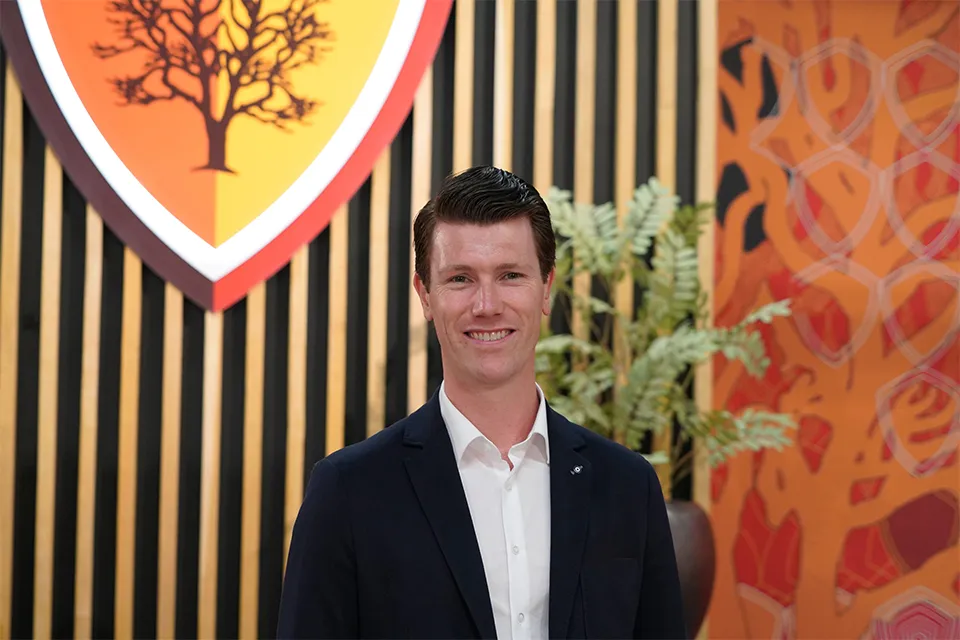
De Groot Bewerkingsmachines aims to support businesses at precisely this stage, he stresses. “We regularly review the workshop with business owners: how are processes running, where are the bottlenecks, and what can be improved? Sometimes that means investing in new machines, but just as often it is about production planning, software or the sequence of operations. Of course, you can simply supply the machine, but we focus on helping businesses think through the entire process. You only get a real return when people, machines, software and organisation work well together.”
Een zakelijke vraag aan De Groot Bewerkingsmachines? Get in touch
Companies in this story
Keep following this
Get an email when a new story is published. No account needed.
- ThemeFrom site measurement to production
- SubjectMachinery
- CompanyDe Groot Bewerkingsmachines