The best-looking edge comes from an optimised production process from start to finish
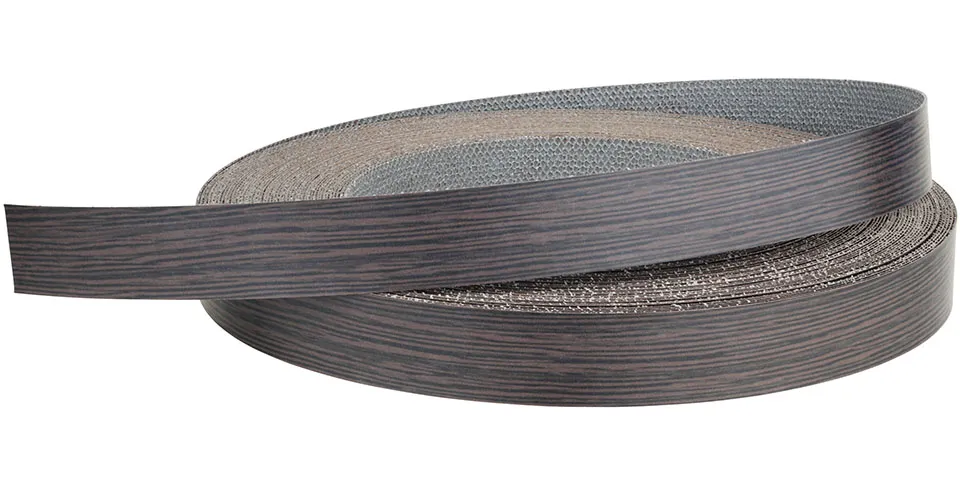
Why does edged sheet material sometimes look immaculate, yet at other times seem as though a craft class has been experimenting with an iron? The answer is simple: every aspect of the production process for the piece of furniture or component needs attention.
Matching colours
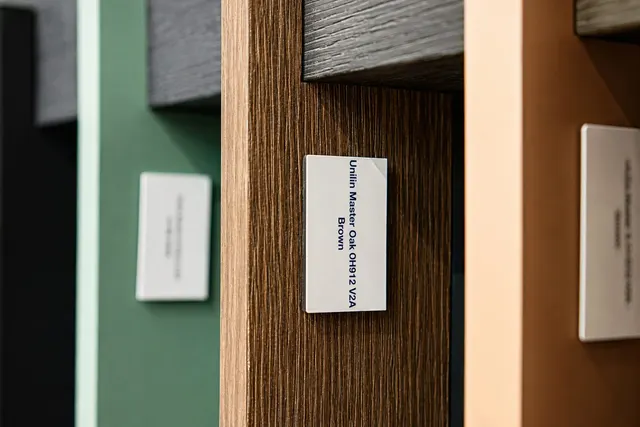
To start with, it is important to find a good match between the colour or décor of the sheet material and that of the edging. In most cases, the better the match, the higher the cost, but the result will also look better. A common issue is a difference in gloss level between the edging and the surface of the sheet material, due to differences between the materials.
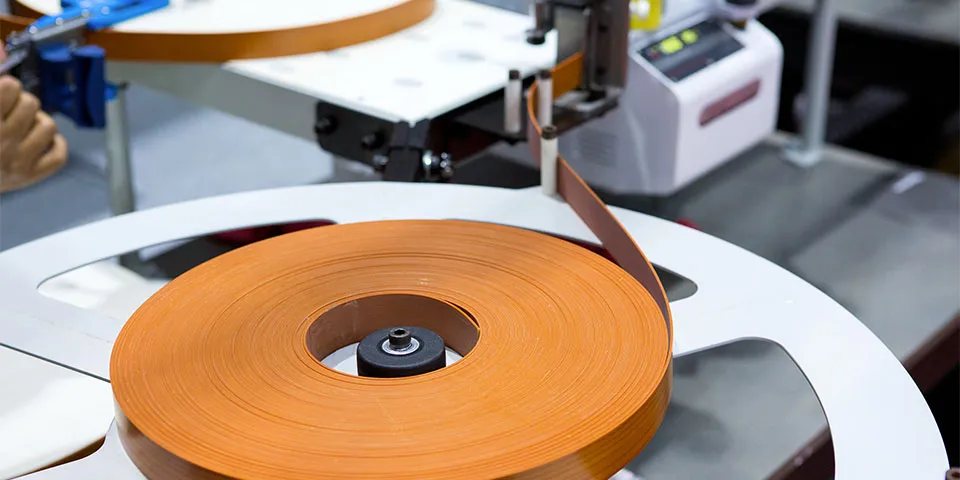
The edge banding machine plays a central role in the final result, and factors such as glue temperature and pressure on the pressure rollers need to be monitored.
Another familiar problem is metamerism, a phenomenon in which a colour appears to change shade under different lighting conditions. An edging selected to match a colour of melamine-faced board may suddenly no longer match when the light source or angle of incidence changes. Although this does not affect quality, it is almost always distracting. Edging has now been developed using innovative technology that rules out metamerism.
The saw cut and routed edge play a leading role
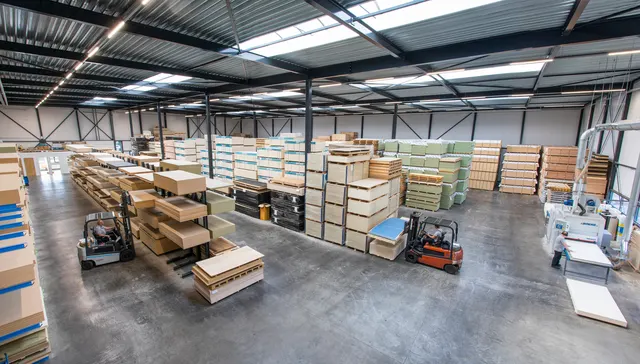
It goes without saying that an imperfect saw cut or uneven routed edge will be greatly magnified once edging is applied. Even the slightest irregularities will show. That is why the sawing or routing process demands close attention to achieving ‘the perfect cut’. This means investing in the right equipment, together with high-quality saw blades and routing tools. Handling the sheet material afterwards is just as important. Much minor damage to sheet material occurs when it is picked up and moved. Most of this can be prevented by nesting sheet material automatically. Storage also affects the risk of damage. The right racking, sufficient space for storage and manoeuvring, can significantly reduce damage.
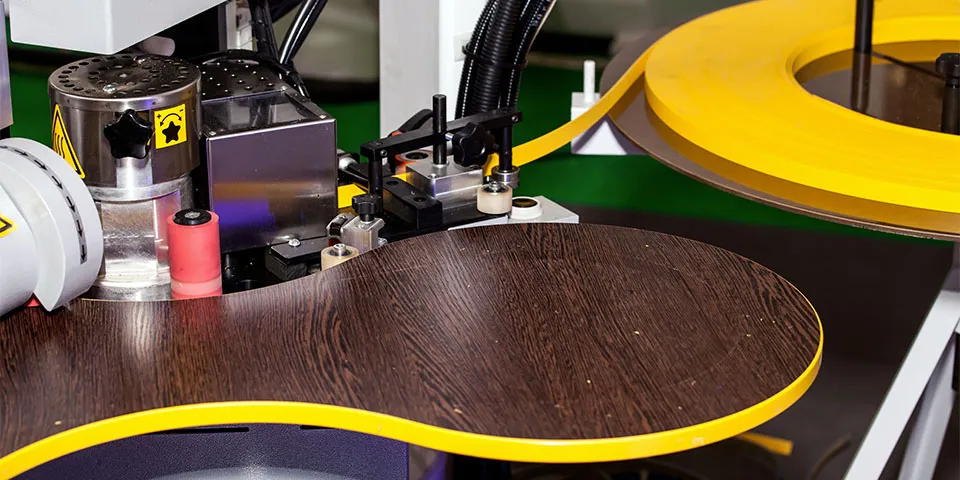
The various adhesive technologies are interchangeable for most types of edging, and the choice of adhesive often determines how neat the finish will be.
Edge bonding, the final stage
Looking at the types of edging currently available, we can distinguish between ABS edging, melamine edging, wood edging, aluminium edging and 3D acrylic edging. The various adhesive technologies are interchangeable for most types of edging, and the choice of adhesive often determines how neat the finish will be and how strong the bond is.
Adhesive technologies include PUR adhesives and EVA hot-melt adhesives. EVA hot-melt adhesive is the most widely used technology, with the latest machines ensuring optimum glue quality in the reservoir. PUR adhesives create a stronger bond, but many companies are put off by the cleaning process for the glue machine.
Special cleaning products make it relatively straightforward to clean the reservoir. The edge banding machine plays a central role in the final result, and factors such as glue temperature and pressure on the pressure rollers need to be monitored.
A good edge banding machine pays for itself. Mobile edge banding machines are now available that, when used properly, deliver good results close to those achieved with a stationary edge bander. Those seeking a zero joint, a seamless transition between the edge and the board surface, can turn to laser edge technology, hot-air technology or Near Infrared technology. These methods are widely used when the bond between the sheet material and edging needs to be more resistant to moisture and heat, and more dirt-repellent.
Question about this story? Ask your question
Keep following this
Get an email when a new story is published. No account needed.
- ThemeFrom sheet materials to construction
- SubjectTimber & sheet materials